Gabapentin typically starts working within 1-2 hours, with peak blood levels reached in 2-3 hours. How long gabapentin’s effects last depends on several factors, though a single dose’s effects typically last 4-12 hours, and your body clears the medication within 24-48 hours. However, you won’t experience full therapeutic benefits for conditions like anxiety until you’ve taken it consistently for 4-8 weeks. Factors like dosage, metabolism, and food intake all influence how intensely you’ll feel the effects, understanding these variables can help you optimize your treatment. Gabapentin typically starts working within 1, 2 hours, with peak blood levels reached in 2, 3 hours. How long gabapentin’s effects last depends on several factors, though a single dose’s effects typically last 4, 12 hours, and your body clears the medication within 24, 48 hours. However, you won’t experience full therapeutic benefits for conditions like anxiety until you’ve taken it consistently for 4, 8 weeks. Factors like dosage, metabolism, and food intake all influence how intensely you’ll feel the effects, understanding does gabapentin cause daytime sleepiness can also help you anticipate sedation patterns and optimize your treatment.
How Fast Gabapentin Works for Pain, Seizures, and Anxiety
When you take gabapentin, the medication reaches peak blood concentration within 2-3 hours, but this doesn’t mean you’ll experience immediate relief. How long does gabapentin take to work depends entirely on your condition.
For seizures, you may notice benefits within the first few days as the medication reduces abnormal electrical activity in your brain. Nerve pain relief can start within hours for some people, though doctors typically titrate doses over 1-2 weeks to minimize side effects. Anxiety presents the longest timeline, clinical trials show considerable reduction after 4-8 weeks. Gabapentin functions as a modulator, not a quick-acting medication, which explains why therapeutic effects develop gradually rather than immediately. It’s important to note that gabapentin is not FDA-approved for anxiety and may be prescribed off-label as a secondary treatment option.
How long do the effects of gabapentin last also varies notably. Full therapeutic benefits for all conditions require consistent daily use over several weeks as your body builds stable medication levels. Because gabapentin is a controlled medicine, your prescription must be hand-signed by a doctor and collected within 28 days.
Why Higher Doses Take Longer to Kick In
Understanding how quickly gabapentin works at different doses reveals an important clinical reality: higher doses don’t deliver faster relief. Understanding how quickly gabapentin works at different doses reveals an important clinical reality: higher doses don’t deliver faster relief. Recognizing gabapentin effects on brain function helps explain why response time depends more on absorption dynamics and neural modulation than simply increasing the dose.
Your body absorbs gabapentin through a saturable transport system, meaning bioavailability decreases as doses increase. While the drug’s half-life remains consistent at 5-7 hours, larger doses face absorption bottlenecks that delay peak plasma concentrations. Although patients may notice initial effects within the first week, full therapeutic benefit may require 2 months or more of treatment at an adequate dose.
Why absorption efficiency drops with higher doses:
- The intestinal transporters responsible for absorption become saturated at doses above 300-400 mg
- Peak plasma concentration still occurs at 2-4 hours, but total drug absorbed decreases proportionally
- Your body processes smaller, frequent doses more efficiently than single large doses
- Higher doses require splitting into three daily administrations to maintain therapeutic levels
This explains why titration protocols emphasize gradual increases rather than aggressive dosing. The usual effective total daily dose ranges from 1200-3600 mg divided into three separate administrations throughout the day.
How Long Gabapentin’s Effects Last
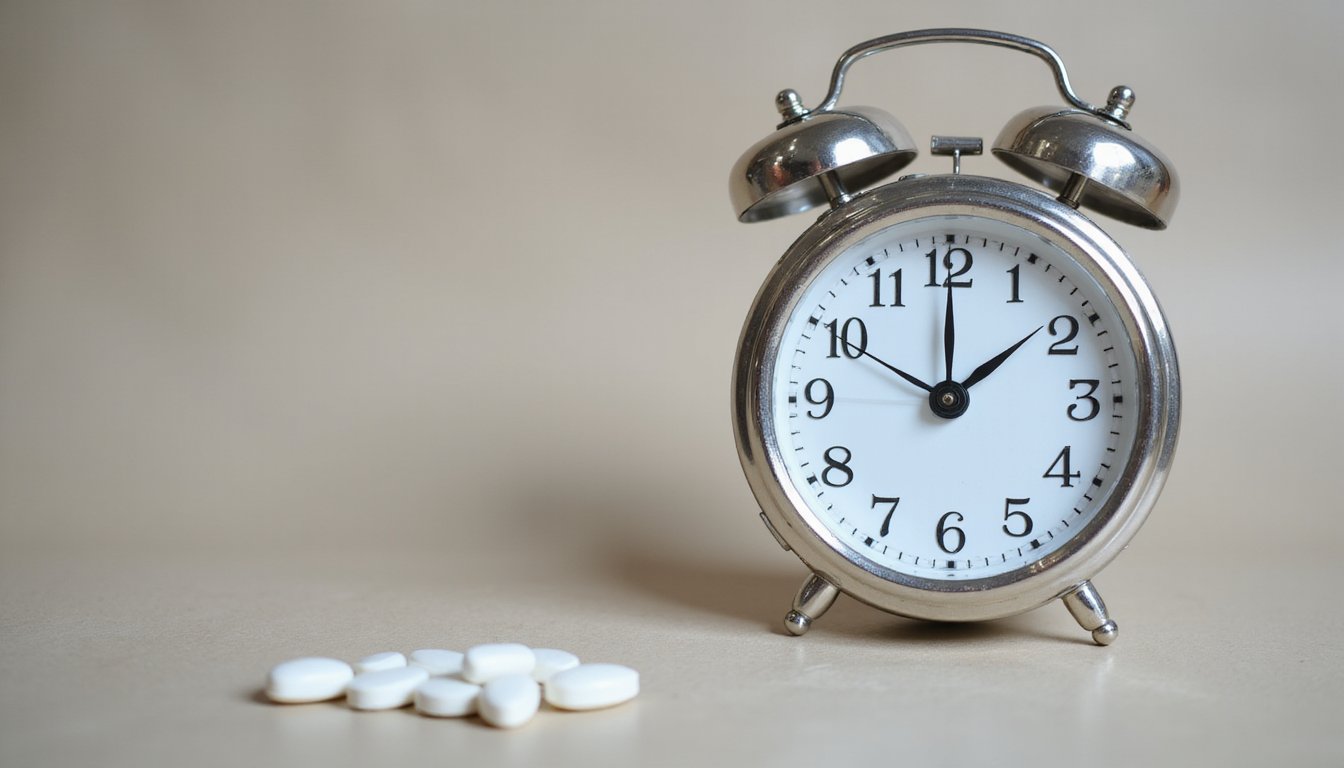
Because gabapentin’s half-life ranges from 5 to 7 hours, you’ll typically feel the effects of a single dose for several hours before they begin tapering off. Understanding how long does gabapentin last helps you anticipate when you might need your next dose.
Most gabapentin clears from your body within 24 to 48 hours after your last dose. If you’re wondering how long does gabapentin stay in your system, expect approximately 1 to 2 days for standard formulations. Extended-release versions prolong this timeline. It’s worth noting that gabapentin’s absorption is saturable and nonlinear, meaning higher doses actually have decreased bioavailability, which can affect how long therapeutic effects are maintained.
Your kidney function greatly impacts elimination rates. Impaired renal function extends clearance beyond typical timeframes, meaning effects may persist longer. Your doctor adjusts dosing schedules based on these individual factors to maintain therapeutic levels while minimizing accumulation risks. Other variables that influence how long gabapentin remains in your system include age, metabolism, and hydration levels. If you stop taking gabapentin abruptly, withdrawal symptoms can appear within 12 hours to 7 days after your last dose, which is why medical supervision during discontinuation is important.
What Makes Gabapentin Feel Stronger or Weaker?
Several factors influence how strong or weak gabapentin feels, starting with the dose itself. Higher doses actually reduce bioavailability, 900 mg yields 60% absorption, while 3600 mg drops to just 33%. Your drug metabolism, tolerance, and overall health also shape intensity. Clinicians often view gabapentin as a safe alternative to opioids, which has contributed to its increased prescribing in recent years.
Key factors affecting gabapentin strength:
- Food intake: High-protein meals increase absorption, making effects feel stronger
- Antacid timing: Taking antacids too close to your dose reduces bioavailability, wait at least 2 hours
- Opioid coadministration: Combining with opioids potentiates effects and increases sedation
- Dose titration: Starting low allows gabapentin build up in your system, often enhancing perceived effectiveness over time
Understanding these variables helps you anticipate how your body responds and why effects may vary between doses. Those with a history of opioid abuse are especially likely to exhibit gabapentin misuse and drug-seeking behavior, which can further alter perceived intensity. Additionally, elderly patients may experience stronger effects due to age-related kidney changes that can slow the drug’s elimination from the body.
What Happens When Gabapentin Wears Off?

When gabapentin leaves your system after consistent use, withdrawal symptoms can emerge within 12 to 48 hours of your last dose, though onset ranges anywhere from 12 hours to 7 days depending on your usage history. Peak intensity typically occurs between days 2 and 7, with symptoms most severe around the 72-hour mark.
During acute withdrawal, you may experience headaches, nausea, sweating, tremors, and insomnia. How long does gabapentin high last becomes less relevant as tolerance develops and withdrawal concerns take priority. The acute phase generally resolves within 1 to 2 weeks, though subacute symptoms can linger for several weeks. In some cases, complete resolution takes up to 18 weeks, particularly if you’ve used gabapentin at high doses long-term. Combining gabapentin with opioids, alcohol, or sedatives can intensify withdrawal and prolong recovery time. Because severe withdrawal complications can include seizures and suicidal thoughts, immediate professional intervention may be necessary to ensure your safety during this period.
Frequently Asked Questions
Can I Take Gabapentin on an Empty Stomach or Should I Eat First?
You can take gabapentin on an empty stomach, there’s no contraindication against it. However, food does affect how quickly your body absorbs the medication, extending the time to peak concentration from about 1.7 hours to 3-4 hours at higher doses. If you’re taking gabapentin for consistent symptom control, you’ll want to space your doses evenly throughout the day, ideally not exceeding 12 hours between doses.
How Long Does Gabapentin Stay Detectable in Urine or Blood Tests?
Gabapentin typically stays detectable in your urine for 1-4 days after your last dose, making this the most reliable testing method. In blood tests, the detection window is much shorter, usually 5-7 hours, though some sources report up to 24 hours. Your kidney function substantially affects these timeframes; if you have kidney impairment, detection windows may extend longer. Hair testing can detect gabapentin for up to 90 days but isn’t routinely performed.
Will Drinking Alcohol Change How Long Gabapentin Effects Last?
Drinking alcohol doesn’t appear to change how long gabapentin’s effects last based on available evidence. The medication’s half-life remains unaffected by alcohol consumption. However, you shouldn’t combine them, alcohol intensifies gabapentin’s central nervous system effects, increasing dizziness, drowsiness, and sedation. While the duration stays consistent, the intensity of side effects can become dangerously amplified. You’ll want to discuss any alcohol use with your prescriber to guarantee safe treatment.
Does Gabapentin Work Differently for Older Adults Compared to Younger People?
Yes, gabapentin typically works differently in older adults. As you age, your kidneys clear the medication more slowly, which extends how long effects last and increases drug accumulation with repeated doses. You’ll likely need lower starting doses and slower titration to minimize side effects like dizziness, somnolence, and ataxia, which pose greater fall risks for older patients. Your doctor should adjust dosing based on your kidney function and individual response.
Can Switching From Brand-Name to Generic Gabapentin Affect How Long It Works?
Switching from brand-name Neurontin to generic gabapentin shouldn’t markedly affect how long it works. Studies confirm generic formulations are bioequivalent, meaning they deliver the same active ingredient at comparable rates and amounts. Clinical trials show both versions provide similar pain relief and duration of effects. However, you might notice subtle differences due to inactive ingredient variations. If you’re concerned after switching, talk to your healthcare provider, they can monitor your response and adjust your treatment if needed.