You crave alcohol because repeated drinking has reshaped your brain’s reward system, specifically by flooding the nucleus accumbens with dopamine, then reducing receptor sensitivity so you need more to feel the same effect. Over time, your brain reclassifies alcohol as a survival priority. Stress, anxiety, poor sleep, and environmental cues intensify these urges, while neurochemical imbalances in GABA and glutamate sustain them well beyond your last drink. Understanding what’s driving your specific cravings is the first step toward regaining control.
What Makes Your Brain Crave Alcohol?
When you take a drink, alcohol activates your brain’s reward system, specifically the basal ganglia and nucleus accumbens, triggering a surge of dopamine that creates feelings of pleasure and reinforcement. Over time, your brain begins associating certain people, places, and situations with these rewarding effects, building powerful cue-driven responses.
As one of the primary alcohol cravings causes, repeated dopamine surges prompt your brain to reduce its receptor numbers, diminishing the initial pleasure you once felt. This adaptation means you’ll need more alcohol to achieve the same effect. Your brain fundamentally reclassifies alcohol as a priority, sometimes above basic needs like food or safety. Through this maladaptive learning process, drinking gradually shifts from a conscious choice to an automatic, deeply ingrained behavioral pattern. This cycle reflects what researchers describe as a 3-stage addiction process, moving from binge and intoxication to withdrawal and negative affect, and ultimately to preoccupation and anticipation, where cravings dominate your thinking even when you’re not drinking.
How Withdrawal Fuels the Urge to Drink
When you stop drinking after prolonged use, your brain’s chemistry shifts into a state of imbalance, neurotransmitters like GABA and glutamate that alcohol once regulated are now disrupted, and dopamine levels drop sharply, leaving you feeling anxious, restless, and unable to experience pleasure normally. This depletion creates a powerful neurological drive to drink again, as your brain fundamentally signals that alcohol is the fastest way to restore the reward chemistry it’s lost. Your body’s push toward homeostasis intensifies these cravings, because the systems that adapted to alcohol’s constant presence now demand it to function at what they’ve come to recognize as “normal.”
Brain Chemistry Off Balance
Although alcohol initially produces calmness and relaxation by boosting GABA activity and suppressing glutamate, chronic use forces your brain to adapt in ways that set the stage for intense cravings. Over time, your brain downregulates GABA receptors and upregulates glutamate signaling to counterbalance alcohol’s depressant effects. When you stop drinking, this leaves your brain chemistry off balance, GABA deficiency paired with glutamate excess creates a state of hyperarousal.
This neurochemical imbalance triggers anxiety, tremors, irritability, and insomnia, all of which drive the compulsion to drink for relief. Meanwhile, disrupted dopamine alcohol cravings reinforce the cycle, as your reward system associates drinking with restoring equilibrium. Repeated withdrawal episodes intensify these neuroadaptations through kindling, making each subsequent attempt at abstinence neurologically more challenging than the last. While most symptoms generally improve within five days, some individuals experience prolonged neurochemical disruption that sustains cravings for weeks.
Dopamine Depletion Drives Cravings
Every time you take a drink, alcohol triggers a surge of dopamine in the nucleus accumbens, your brain’s core reward center. With repeated use, your brain adapts by reducing dopamine production and decreasing receptor sensitivity. This means you need more alcohol to feel the same effect.
When you stop drinking, dopamine depletion creates a neurochemical imbalance. Your brain can’t generate adequate dopamine without alcohol’s external push, and this deficit persists for at least 30 days into abstinence. Unlike natural rewards, alcohol-related cues don’t lose their motivational pull over time, they maintain their grip on your attention and behavior.
This depletion shifts your focus away from everyday pleasures like food, hobbies, or social connections. Your brain fundamentally prioritizes alcohol as its primary dopamine source, driving persistent cravings that feel urgent and unavoidable.
Homeostasis Demands More Alcohol
Your brain constantly works to maintain a stable internal state, a principle called homeostasis. When you drink chronically, your brain adapts by downregulating GABA receptors and upregulating NMDA receptors to counterbalance alcohol’s effects. Once you stop drinking, these adaptations become exposed, homeostasis demands more alcohol to prevent withdrawal symptoms like anxiety, seizures, and autonomic hyperarousal.
This cycle drives alcohol dependence, where your brain fundamentally requires alcohol to function normally.
| System | Adaptation During Chronic Use |
|---|---|
| GABA | Receptor downregulation reduces inhibitory capacity |
| Glutamate (NMDA) | Receptor upregulation increases excitatory signaling |
| Calcium Channels | Upregulation contributes to neuronal hyperexcitability |
These neuroadaptations explain why withdrawal feels so distressing. Your brain isn’t simply craving pleasure, it’s demanding chemical stability it can no longer achieve independently.
What Your Cravings Say About Dependence Severity
If you’re experiencing regular cravings for alcohol, it’s worth understanding what they may reveal about your level of dependence. Research shows that craving is markedly correlated with alcohol use disorder severity, functioning as a reliable diagnostic indicator alongside other established criteria. This means your cravings aren’t just a matter of habit or preference, they can signal meaningful changes in brain chemistry that distinguish dependent drinking from casual use.
Craving Indicates Dependence Level
Although cravings alone don’t confirm a diagnosis, research consistently shows they serve as a reliable indicator of how severe alcohol dependence has become. Among the key reasons for alcohol craving that researchers examine, dependence severity measures like SADQ and CIWA-AR scores positively correlate with craving intensity (r=0.47, P=0.009). Alcohol-dependent individuals score notably higher across reward, relief, and obsessive craving pathways than nondependent drinkers.
| Craving Indicator | Nondependent Drinkers | Dependent Drinkers |
|---|---|---|
| Attentional bias to alcohol cues | Low | Elevated |
| Reward and relief craving | Minimal | Simultaneous and high |
| Craving pathway scores | Lower across measures | Higher across all pathways |
You’ll notice that dependent drinkers also exhibit greater attentional bias toward alcohol cues, meaning your brain prioritizes alcohol-related stimuli more intensely as dependence deepens.
Beyond Casual Drinking Patterns
When cravings push beyond occasional desire and start shaping your daily routine, they’re signaling a shift from casual drinking into dependence. You might notice you’re drinking more to achieve the same effect, a hallmark of tolerance driven by changes in your brain’s basal ganglia. Understanding why do I crave alcohol every day can be essential in recognizing the underlying factors contributing to this behavior. Stress, social pressure, or even a desire to escape reality might reinforce these cravings, creating a cycle that feels increasingly difficult to break. It’s important to explore these triggers and seek healthier coping mechanisms to regain control over your relationship with alcohol.
Common alcohol addiction triggers accelerate this progression. Environmental cues, emotional distress, and habitual patterns activate powerful urges that override casual control. You may find yourself shifting from social drinking to solitary consumption, prioritizing alcohol over responsibilities, or feeling irritable when it’s unavailable.
Physical signs confirm deepening dependence: tremors, sweating, or anxiety that only drinking relieves. If you’re experiencing these withdrawal indicators alongside increased frequency and quantity, your cravings reflect neurological changes requiring professional evaluation rather than willpower alone.
Why Alcohol Cravings Linger Long After You Quit
Even after the physical symptoms of withdrawal subside, alcohol cravings often persist for weeks, months, or even years. This happens because your brain’s reward system has formed deep neural pathways linking alcohol to pleasure and relief. These associations don’t disappear once detox ends.
Psychological cravings for alcohol stem from post-acute withdrawal syndrome (PAWS), which can last up to two years. During this phase, your brain registers alcohol’s absence and produces recurring urges as it recalibrates dopamine levels. Environmental cues, emotional stress, and social situations further reinforce these patterns.
The intensity typically peaks during early recovery, then gradually decreases. However, occasional cravings remain normal throughout sobriety. They don’t signal failure, they reflect your brain’s ongoing adjustment to functioning without alcohol.
Why Stress and Anxiety Make Alcohol Cravings Worse
Stress and anxiety don’t just coexist with alcohol cravings, they actively amplify them. If you’re prone to anxiety, your brain’s reward system responds more intensely to stressors, driving stronger urges to drink. Research shows that anxiety sensitivity, fearing your own anxiety symptoms, predicts alcohol cravings more reliably than general stress alone.
Here’s the paradox: alcohol temporarily dampens your stress response, which negatively reinforces drinking. Over time, though, chronic use impairs your natural stress-coping mechanisms and actually worsens anxiety. You’ll need progressively more alcohol to achieve the same relief, accelerating tolerance and dependence.
Studies confirm that individuals with anxiety disorders experience greater alcohol-related harm at equivalent drinking levels. This means your anxiety isn’t just triggering cravings, it’s making each drink more consequential.
The Sleep Problem That Fuels Alcohol Cravings
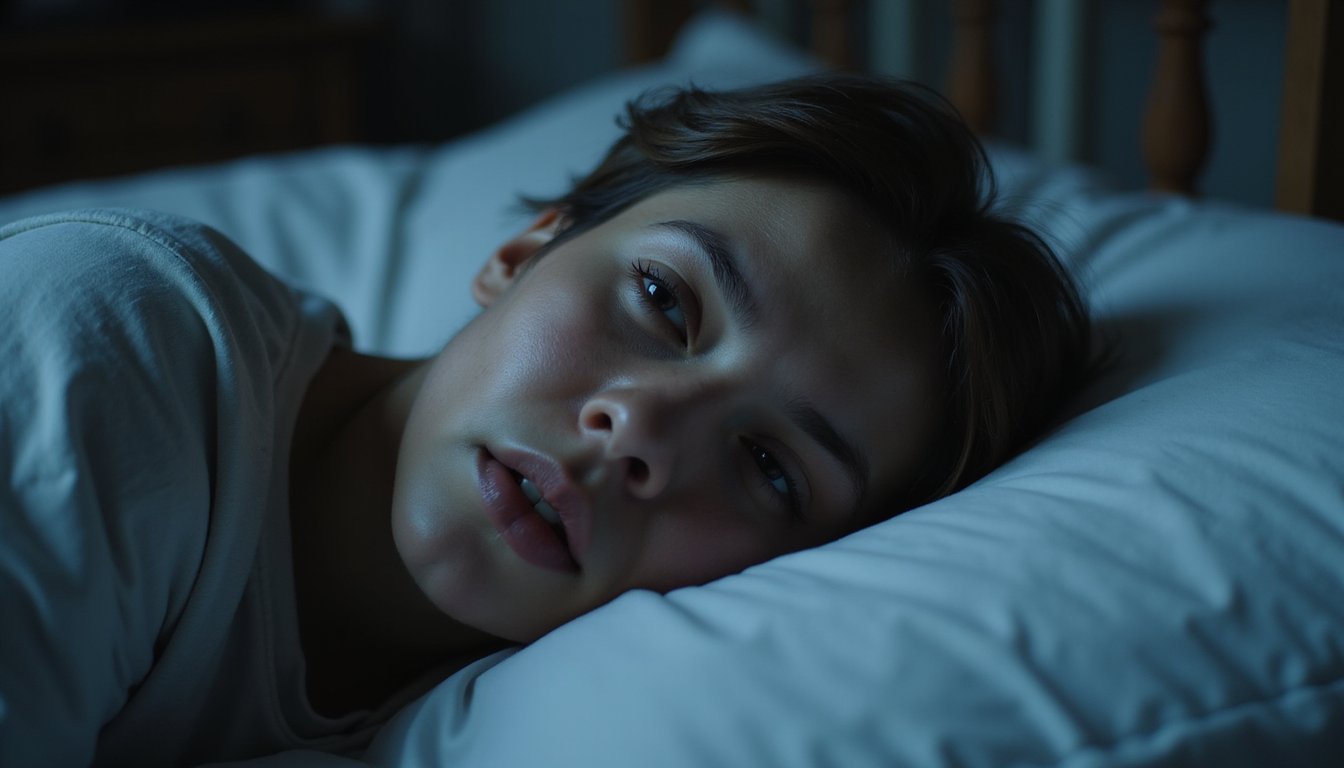
Poor sleep and alcohol cravings feed each other in a cycle that’s surprisingly hard to break. When you drink before bed, alcohol initially helps you fall asleep faster, but it fragments your rest by suppressing REM sleep and triggering awakenings as your body metabolizes it.
Within just three days of nightly use, alcohol loses its sedative benefits while retaining its sleep-disrupting effects. Your brain adapts by suppressing natural GABA production, so when you stop drinking, glutamate surges and creates hyperarousal that makes sleep extremely difficult. This sleep disturbance can persist for months, and research links it directly to relapse risk.
Nearly half of alcohol-dependent individuals experience prolonged sleep problems after quitting, which intensifies cravings during early recovery.
Can Willpower Actually Beat Alcohol Cravings?
So, can willpower actually beat alcohol cravings? The evidence suggests it can’t work alone. Willpower depletion functions like a drained battery: exerting self-control in one area leaves you measurably more vulnerable to drinking afterward. Studies confirm that high-demand days directly increase alcohol consumption.
Your brain’s reward system, altered by chronic use, generates cravings that exceed willpower’s capacity. Medications, therapeutic interventions, and structured support tools don’t replace your willpower, they redirect it strategically, giving it the framework it needs to succeed.
How to Fight Back When Alcohol Cravings Hit
When cravings strike, having concrete strategies ready makes the difference between white-knuckling through the moment and responding with confidence. Research shows substance use cravings typically peak and subside within minutes, so your goal is to ride that wave effectively.
| Strategy | How It Works |
|---|---|
| Urge surfing | Observe the craving’s physical sensations without resisting; it’ll pass naturally |
| Distraction techniques | Walk, exercise, or call a trusted friend to redirect your brain’s focus |
| Mindful breathing | Deep diaphragmatic breaths activate your parasympathetic nervous system, lowering intensity |
| Environment control | Remove alcohol from your home and avoid high-risk settings |
You don’t need every tool at once. Start with one or two strategies, practice them consistently, and build your response toolkit over time.
A Healthier You Starts Today
Quitting alcohol brings unexpected changes, and without the right support in place, moving forward can feel like an impossible task without someone in your corner. At Florida Sober Living Homes, we offer a Sobriety Support program built to give you the foundation you need to heal and move forward with confidence. Call (239) 977-9241 today and let us be the support system you have been looking for.
Frequently Asked Questions
Are Alcohol Cravings More Common at Certain Times of Day?
Yes, your alcohol cravings likely follow a predictable daily pattern. Research shows cravings tend to peak around 8:00 PM and drop to their lowest levels in the early morning. If you drink frequently, you’ll probably notice even stronger fluctuations throughout the day. Cumulative stress and environmental cues can intensify cravings as the day progresses. Recognizing this rhythm can help you prepare coping strategies during your most vulnerable hours.
Can Certain Foods or Nutrients Help Reduce Alcohol Cravings Naturally?
Yes, certain foods can help reduce alcohol cravings naturally. Protein-rich foods like lean meats, fish, and eggs supply amino acids such as tyrosine and tryptophan, which support dopamine and serotonin production. Complex carbs from oats and sweet potatoes stabilize blood sugar, while bananas replenish key minerals and boost mood. Omega-3-rich foods like salmon also enhance emotional well-being. A ketogenic diet has shown promise in reducing cravings by shifting brain energy metabolism.
Do Alcohol Cravings Ever Completely Go Away Over Time?
For most people, alcohol cravings do greatly diminish over time. Research shows relapse rates drop from over 30% in the first year to less than 15% after five years of sobriety, reflecting how cravings weaken as your brain’s reward pathways gradually recalibrate. They may not disappear entirely, environmental triggers or stress can still surface occasionally, but they’ll become less frequent and easier to manage. Early intervention and consistent coping strategies accelerate this process considerably.
Is Medication Effective for Treating Alcohol Cravings Long Term?
Yes, medications like naltrexone and acamprosate can effectively reduce alcohol cravings long-term. Naltrexone blocks your brain’s reward response to alcohol, while acamprosate lowers glutamate levels that drive cravings after you’ve stopped drinking. Research shows naltrexone prevents relapse in roughly one out of every five patients treated. You’ll get the best results when you combine medication with therapy and ongoing support, since everyone’s response differs.
Are Some People Genetically More Prone to Experiencing Alcohol Cravings?
Yes, genetics can make you more prone to alcohol cravings. Research shows alcohol use disorder is approximately 50% heritable, and specific genes, like those affecting dopamine pathways and alcohol metabolism, directly influence craving susceptibility. If you have a family history of alcohol misuse, you’re at higher risk. However, genetics isn’t destiny. Understanding your predisposition empowers you to seek targeted support, including medications and therapeutic strategies that address your unique biological makeup.