When you’re hungry, your stomach releases ghrelin, a hormone that doesn’t just signal hunger but also activates the same dopamine reward pathways alcohol targets. Your brain fundamentally processes both drives through overlapping circuits, so a dip in blood sugar can feel almost identical to an alcohol craving. Recognizing that hunger is the true source of these urges can interrupt the cycle before it escalates. Understanding the specific mechanisms behind this overlap reveals practical strategies to regain control. when you experience heightened stress, your body might react by seeking familiar comfort in substances like alcohol. This leads to the question of why do i crave alcohol when stressed, as your brain may associate these moments of anxiety with the temporary relief that alcohol provides. By addressing the roots of your stress and finding healthier coping mechanisms, you can break this cycle and reduce the dependency on alcohol for relief.
How Ghrelin Links Hunger and Alcohol Cravings
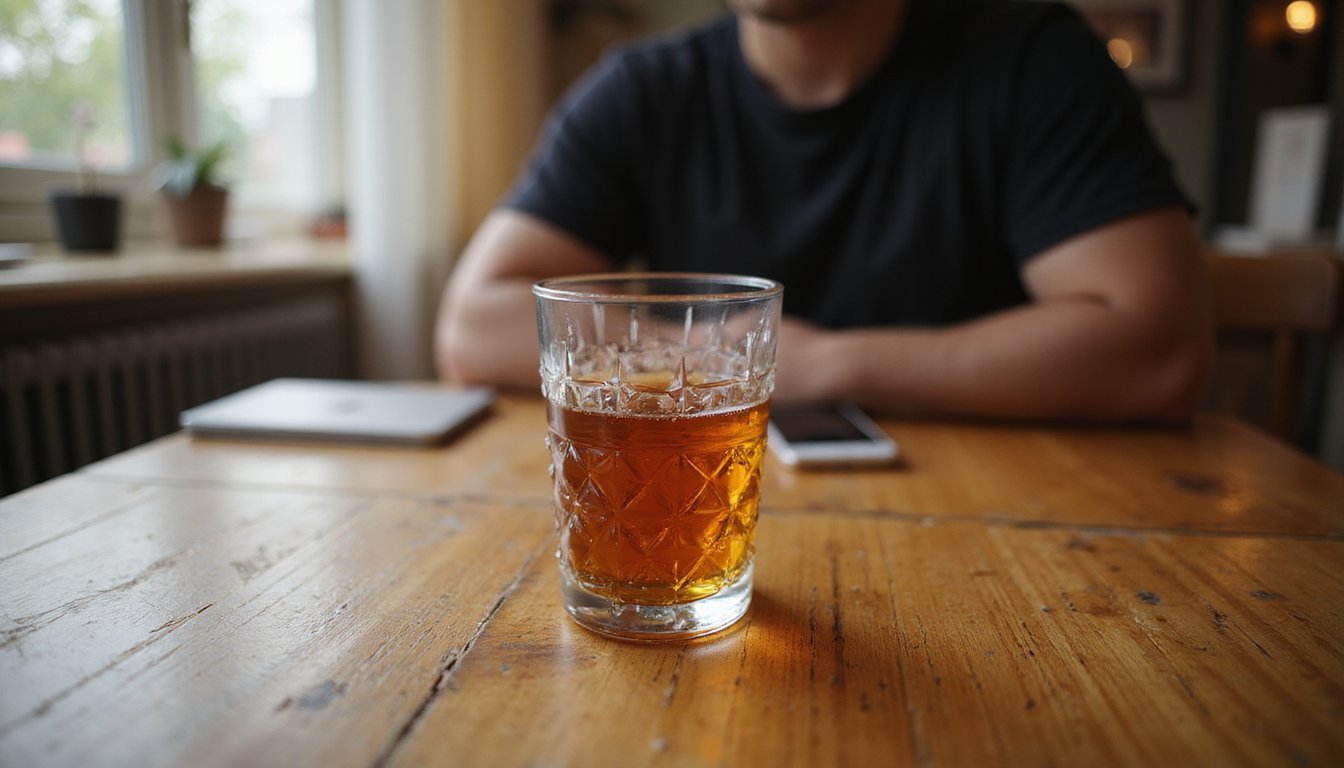
When your stomach is empty and you find yourself craving a drink rather than a meal, a hormone called ghrelin may be driving that impulse. Synthesized in your stomach during energy depletion, ghrelin activates reward pathways in your brain’s mesolimbic dopamine system through GHSR1a receptors. Research confirms that ghrelin effects on alcohol intake are significant, higher circulating levels correlate directly with increased craving and relapse risk.
The connection between alcohol cravings low blood sugar triggers isn’t coincidental. Ghrelin rises when you’re fasting, amplifying both hunger and the reward value of alcohol. Studies show that exogenous ghrelin administration increases cue-induced craving and intravenous alcohol self-administration in heavy drinkers. This energy depletion alcohol craving cycle means your body’s hunger signal gets hijacked, making a drink feel as urgent as food. Understanding this mechanism helps you recognize cravings as biological, not moral, failures.
Your Brain Can’t Tell Hunger Apart From a Drink Craving
Ghrelin doesn’t act alone in blurring the line between hunger and alcohol cravings, your brain’s reward circuitry compounds the problem. Dopamine-producing neurons process both hunger and alcohol cues through overlapping pathways, making it difficult for your brain to distinguish between the two. fMRI evidence confirms that alcohol craving activates regions also tied to visual hunger cues, meaning your brain conflates reward anticipation across deprivation states. Recent research has also revealed that dopamine cells can co-release GABA, challenging the long-held assumption that each nerve cell releases only one neurotransmitter and suggesting a built-in mechanism to counteract addictive impulses.
When blood sugar alcohol cravings strike, the enzyme ALDH1a1 normally produces GABA to brake addictive drive. However, binge drinking depletes this inhibitory buffer, heightening your sensitivity to hunger-like voids. Understanding the relationship between nutrition and alcohol cravings helps you recognize these signals for what they are, neurological overlap, not genuine need. Restoring ALDH1a1 function can reverse alcohol preference, separating satiety from sobriety.
How Hunger and Alcohol Cues Compete in Your Brain
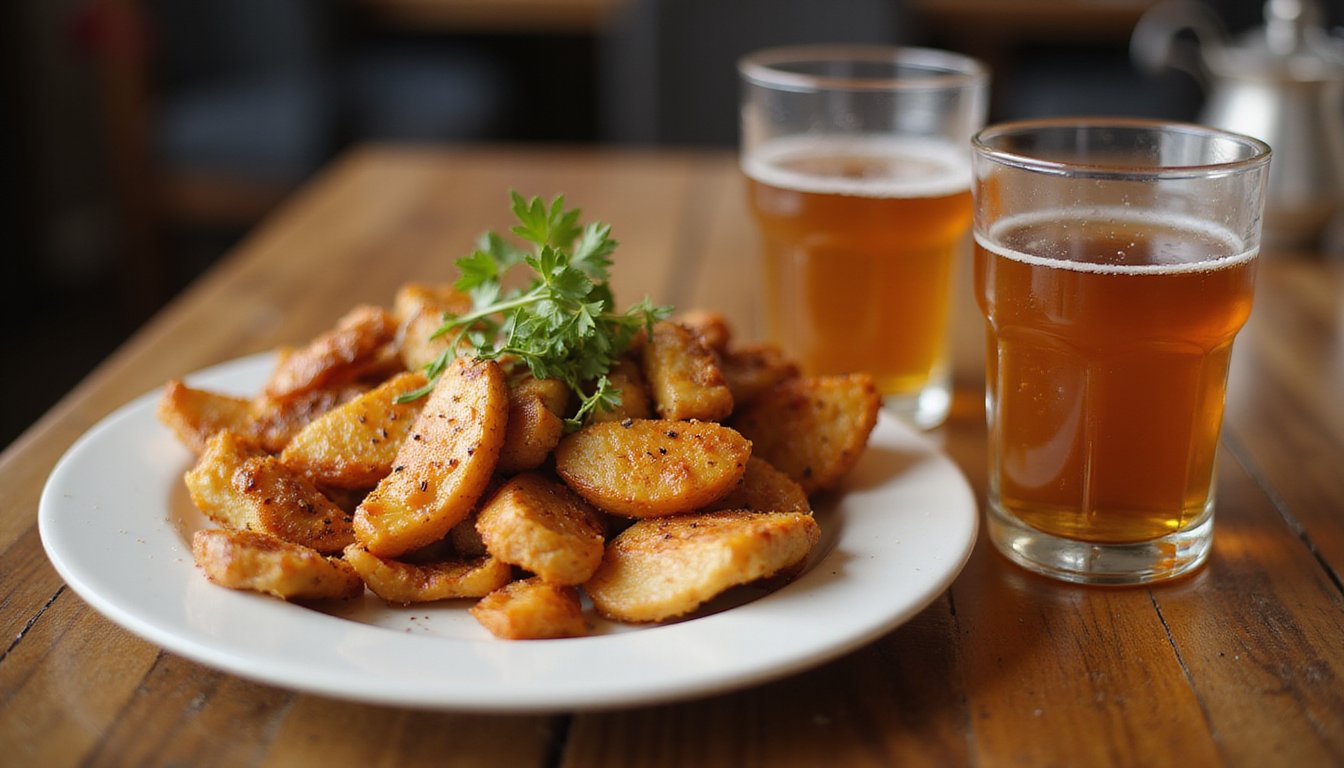
Although your brain processes hunger and alcohol cues through distinct initial pathways, they converge in shared reward circuitry, creating direct competition for your attention and behavior. This overlap explains why do i crave alcohol when hungry, both signals activate the ventral striatum and orbitofrontal cortex, regions governing motivation and decision-making. This phenomenon can also explain why do i crave wine at night, as the body associates relaxation and winding down with the ritual of enjoying a glass. The sensory experience of wine, from its aroma to its complex flavors, can further enhance feelings of comfort and reward as you settle into the evening. Understanding these triggers can help you make more mindful choices about your nighttime habits.
When you’re hungry, these competing cues interact through:
- Cross-cue activation: Alcohol-related stimuli can amplify food cravings and vice versa, blurring your brain’s ability to distinguish needs
- Dopamine convergence: Both hunger and alcohol cues trigger dopaminergic pathways, intensifying whichever drive reaches threshold first
- Metabolic vulnerability: Dropping glucose levels alcohol urges become stronger as your prefrontal cortex loses regulatory capacity
- Emotional amplification: Low energy states heighten amygdala reactivity, making alcohol cues feel more compelling
Research confirms this cross-cue dynamic: alcohol odors were shown to increase food duration attentional biases, meaning people spent significantly longer gazing at food images when exposed to beer scent compared to a water control. Understanding this competition empowers targeted intervention.
Why Hunger Cravings Hit Differently by Drinking Type
If you’re drawn to beer, conditioned associations may drive your response more than pharmacology. Studies demonstrate that beer context alone produces stronger appetite increases than identical alcohol delivered in juice, your brain’s learned pairing between beer and eating occasions amplifies hunger signals independently.
Wine cravings operate through cultural conditioning. Red wine’s deep association with quality meals means your hunger may activate wine-specific reward pathways tied to dining memories.
Carbonated alcoholic drinks add another layer: carbonation can numb oral sensations, potentially altering how you interpret hunger cues. Your drink preference isn’t random, it reflects distinct neurological and psychological pathways that each require targeted awareness.
Why Pre-Meal Hunger Is a Hidden Relapse Trigger
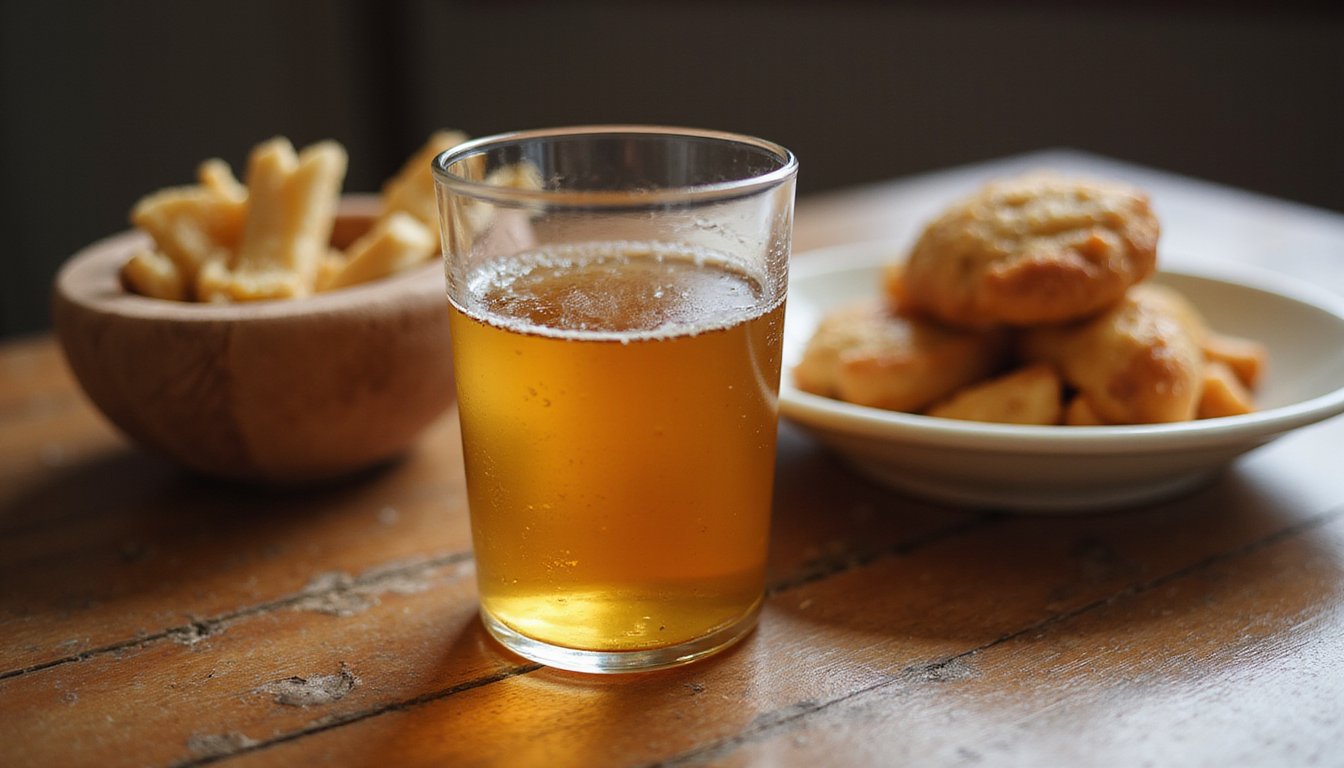
When your stomach is empty before a meal, rising ghrelin levels don’t just signal hunger, they activate the same amygdala-driven emotional circuits that fuel alcohol cravings, making pre-meal windows a surprisingly potent relapse trigger. You’re not imagining the overlap; research confirms that ghrelin elevates stress-related brain activity in response to alcohol cues through a pathway distinct from ordinary food-seeking, which means your body can misread hunger as a need to drink. Recognizing that pre-meal hunger hijacks your brain’s reward and stress networks gives you a concrete reason to prioritize consistent meal timing as a frontline defense against unexpected cravings.
Hunger Mimics Alcohol Cravings
Because the same hormone that signals an empty stomach also lights up your brain’s alcohol reward pathways, pre-meal hunger can function as a stealth relapse trigger. Ghrelin doesn’t just tell you to eat, it activates the amygdala during alcohol cues and reengages your stress-response system.
Research shows you may genuinely mistake hunger for a craving. Patients who confused the two sensations scored dramatically higher on alcohol craving scales, 9 points versus 4 for those who didn’t.
Watch for these overlapping signals:
- Irritability or restlessness that intensifies before meals
- Sudden, specific urges for alcohol when you haven’t eaten
- Mood drops tied to blood sugar dips rather than emotional triggers
- Physical tension you’d normally relieve with a drink
Recognizing hunger as the true source interrupts the craving cycle before it escalates.
Pre-Meal Relapse Risk Factors
Although most relapse prevention plans focus on emotional and social triggers, the hours before a meal represent a physiologically distinct danger zone that many recovery programs overlook. When you skip meals, your blood sugar drops, directly impairing impulse control and decision-making. This hypoglycemia triggers stress hormones that mirror withdrawal symptoms, making cravings feel urgent and real.
Your brain compounds the problem. Dopamine dysregulation from fasting reinforces alcohol’s reward pathways, while cognitive distortions, like bargaining that “one drink eases appetite”, override self-efficacy in roughly 50% of cases. Pre-meal routines can also activate conditioned responses tied to past drinking contexts.
Poor nutrition habits signal an emotional relapse stage before physical use ever occurs. Recognizing hunger as a measurable risk factor lets you intervene during this critical window rather than after cravings escalate.
How Alcohol Smells Can Intensify Your Hunger Signals
Even before you take a sip, the smell of alcohol can shift how your brain responds to food. Research shows alcohol odors notably increase how long your attention lingers on food cues, with a large measurable effect (η_p² = 0.20, p < 0.01). Your hypothalamus, the brain’s hunger command center, shows heightened activation to food aromas after alcohol exposure.
Here’s what the evidence reveals:
- Alcohol odors raise food attentional biases compared to water odors (p < 0.001)
- Your hypothalamus responds more intensely to food scents after alcohol exposure (p_FWE = 0.03)
- Food cravings increase when alcohol odors pair with food imagery
- Actual food consumption rises following alcohol pre-loads versus placebo
These sensory triggers can amplify your hunger signals, making cravings harder to resist when you’re already running on empty.
Why High-Fat Binge Eating Escalates Alcohol Cravings
When you binge on high-fat foods, you’re activating the same mesolimbic dopamine and endogenous opiate pathways that drugs of abuse target, effectively priming your brain’s reward circuits to seek further stimulation. Research shows this cross-sensitization is measurable, adolescent mice exposed to high-fat bingeing subsequently increase their self-administration of substances, demonstrating that a fat-heavy binge diet doesn’t just satisfy a craving but builds neurological preference for additional rewards, including alcohol. Understanding this shared circuitry helps explain why your desire for a drink can spike after consuming highly processed, fatty foods rather than after a balanced meal.
Shared Brain Reward Circuits
Because high-fat foods and alcohol converge on the same mesoaccumbens dopamine system, binge eating can prime your brain’s reward circuits in ways that intensify alcohol cravings. Both stimuli trigger dopamine release from the VTA to the nucleus accumbens, reinforcing reward-seeking behavior through shared synaptic adaptations.
Key overlapping circuits include:
- NAc D1R neurons that strengthen excitatory drive during both high-fat food seeking and cocaine reward
- Central amygdala D1R neurons that enhance incentive motivation for food and drug craving
- VTA dopamine projections that respond similarly to high-fat foods and addictive substances
- vHIPP-NAc pathways that integrate contextual cues, driving goal-directed behavior toward both rewards
These shared mechanisms explain why binge eating escalates alcohol cravings, your brain can’t easily distinguish between the two reinforcers. understanding why do i crave alcohol at night can also be linked to the body’s natural rhythms and habits formed over time. Social cues and environmental triggers can play a significant role, creating associations between nighttime relaxation and alcohol consumption. As a result, it becomes challenging to break the cycle when your brain craves that familiar reward.
Binge Diet Alcohol Preference
Few people realize that the cycle between high-fat binge eating and alcohol cravings isn’t one-directional, it’s a self-reinforcing loop that escalates both behaviors over time. When you consume alcohol, it impairs your prefrontal cortex by enhancing GABA activity, lowering inhibitions and driving you toward high-fat, calorie-dense foods. Nearly half of moderate-risk drinkers overeat unhealthy foods after drinking.
Here’s where it intensifies: binge eating high-fat foods increases your appetite and subsequent alcohol urges. Research confirms this bidirectional pattern, binge drinking raises your likelihood of binge eating that same night, while binge eating precedes increased alcohol use over time. Positive urgency amplifies this cycle further. If you’re drinking in social settings “to have fun,” you’re especially vulnerable to this escalating loop between high-fat consumption and alcohol-seeking behavior.
Ghrelin Blockers That May Cut Cravings at the Source
Although most people think of ghrelin as the “hunger hormone,” emerging research reveals it plays a direct role in alcohol craving, and blocking its receptor may offer a powerful new treatment approach.
Scientists have found that blocking the growth hormone secretagogue receptor (GHSR), ghrelin’s primary target, produces measurable results:
- Reduces alcohol intake dose-dependently in animal models, with greater effects in severe alcohol use disorder
- Eliminates alcohol reward by suppressing dopamine release in the brain’s nucleus accumbens
- Decreases binge-like drinking in both male and female subjects
- Shows human safety, the GHSR inverse agonist PF-5190457 was well-tolerated when coadministered with alcohol in heavy drinkers
You’re not imagining the connection between hunger and alcohol cravings. Ghrelin-targeted therapies could eventually help you address both signals simultaneously.
A Healthier You Starts Today
Quitting alcohol brings unexpected changes, and without the right support in place, moving forward can feel like an impossible task without someone in your corner. At Florida Sober Living Homes, we offer a Sobriety Support program built to give you the foundation you need to heal and move forward with confidence. Call (239) 977-9241 today and let us be the support system you have been looking for.
Frequently Asked Questions
Can Drinking Alcohol on an Empty Stomach Cause Dangerous Blood Sugar Drops?
Yes, it absolutely can. When you drink on an empty stomach, your liver prioritizes metabolizing alcohol over releasing glucose, causing your blood sugar to drop rapidly and unpredictably. Without food to slow absorption, you’re at considerably higher risk for hypoglycemia. If you’re taking insulin or sulfonylureas, this danger multiplies greatly. Your blood sugar can continue dropping for up to 12 hours, making overnight episodes particularly risky.
Does Leptin Resistance From Obesity Make Alcohol Cravings Worse Over Time?
There’s currently no direct research confirming that obesity-related leptin resistance worsens your alcohol cravings over time. However, studies show leptin levels positively correlate with craving intensity in certain alcoholic subtypes, and higher leptin persists even after adjusting for BMI. Since obesity disrupts normal leptin signaling, it’s plausible this could influence craving pathways, but researchers haven’t established that connection definitively. You’d benefit from discussing this with your healthcare provider.
Are Women More Likely Than Men to Confuse Hunger With Alcohol Cravings?
Research suggests you may be more vulnerable to this confusion if you’re a woman. Women tend to drink more to cope with negative emotions, and food cravings notably predict alcohol use across genders. Because you metabolize alcohol differently and experience faster progression from casual use to dependence, misreading hunger signals as alcohol cravings can carry greater risk. You’ll benefit from consistent meal timing to help distinguish these overlapping signals.
Can Eating Specific Foods Before Meals Reduce Unexpected Alcohol Cravings Effectively?
Yes, eating specific foods before meals can effectively reduce unexpected alcohol cravings. You’ll benefit from tyrosine-rich proteins like eggs and poultry, which boost dopamine and stabilize mood. Complex carbohydrates such as sweet potatoes and whole grains prevent the blood sugar crashes that trigger cravings. L-glutamine from lean meats directly targets alcohol wanting through neurotransmitter stabilization. Pairing fiber-rich snacks like apples or carrots before meals creates satiety that interrupts craving pathways.
Does Intermittent Fasting Increase the Risk of Developing Alcohol Use Disorder?
Intermittent fasting can increase your risk if you’re not careful. When you fast on an empty stomach, your body absorbs alcohol faster, heightening intoxication and reinforcing unhealthy patterns. Binge drinking during eating windows accelerates AUD development, especially if you’re young. You’re also more vulnerable to “drunkorexia”, combining food restriction with alcohol use. While moderate intake may not trigger AUD, fasting amplifies alcohol’s effects, making it easier to develop problematic consumption patterns.