Anxiety after drinking alcohol happens because alcohol temporarily boosts GABA and suppresses glutamate, but once it wears off, your brain overcorrects. Glutamate surges, GABA drops, and cortisol spikes, leaving you with a racing heart, dread, and intrusive worry. This neurochemical rebound, often called “hangxiety,” affects over 22% of drinkers and is especially common if you have a pre-existing anxiety disorder. Understanding what’s driving these symptoms is the first step toward managing them effectively.
Why You Feel Anxious After Drinking Alcohol
When alcohol leaves your system, your brain doesn’t simply return to its baseline state, it overcorrects. During drinking, alcohol boosts GABA activity and suppresses glutamate, creating temporary calm. As it metabolizes, glutamate surges while GABA drops, triggering neuronal overexcitability, the core mechanism behind rebound anxiety that alcohol users commonly experience.
This process explains why anxiety after drinking alcohol often feels disproportionate to circumstances. Cortisol levels rise during withdrawal, compounding the neurochemical imbalance with a physiological stress response. Dopamine and serotonin also dip sharply, leaving you emotionally depleted.
The result is hangxiety, a blend of dread, restlessness, and racing thoughts layered onto physical hangover symptoms. If you’re prone to pre-existing anxiety, this rebound effect can intensify well beyond your normal baseline.
What Alcohol Does to Your Brain’s Anxiety System
When you drink alcohol, it boosts GABA activity in your brain, producing that familiar sense of calm and relaxation, but this effect comes at a cost. As your body metabolizes the alcohol, GABA levels drop below their normal baseline, leaving your nervous system in an overexcited state that fuels anxiety. At the same time, your brain’s serotonin production takes a hit, which can deepen feelings of unease and low mood in the hours and days after drinking. Over time, chronic alcohol use can also cause structural changes in the brain, particularly in areas like the prefrontal cortex that are responsible for regulating fear and anxiety responses.
GABA and Relaxation Disruption
Your brain relies on a delicate balance between excitation and inhibition, and GABA (gamma-aminobutyric acid) sits at the center of that balance as the primary inhibitory neurotransmitter in your central nervous system. When you drink, alcohol enhances GABA-gated chloride currents by up to 260%, producing pronounced relaxation and sedation. These GABA receptors are pentameric structures composed of multiple subunit types, including α, β, and γ, each playing a distinct role in how your brain responds to both GABA and alcohol.
However, this artificial boost comes at a cost. With chronic use, your brain downregulates GABA_A receptor sensitivity and reduces key receptor subunits, meaning you’ll need more alcohol to achieve the same calming effect. Once alcohol clears your system, diminished GABA function leaves excitatory glutamate activity unchecked. This imbalance directly drives anxiety after alcohol, manifesting as restlessness, racing thoughts, and panic. Understanding how the GABA neurotransmitter system adapts explains why alcohol withdrawal anxiety feels so physiologically intense.
Serotonin Levels Drop Later
GABA isn’t the only neurotransmitter alcohol throws off balance. When you drink, alcohol initially boosts serotonin release in key brain regions like the amygdala and hippocampus, creating temporary euphoria. However, serotonin levels drop as your body processes the alcohol, falling below your normal baseline.
This depletion directly fuels alcohol induced anxiety. With less serotonin available, you’re left feeling irritable, sad, and restless, often by the next morning. Chronic drinking worsens this cycle by distorting serotonin synthesis and down-regulating receptor density in your brain’s reward circuitry.
The connection between alcohol and mental health becomes clearer here: repeated serotonin crashes don’t just cause next-day unease. They reshape your brain’s mood regulation over time, increasing vulnerability to anxiety disorders and depression with continued heavy consumption.
Symptoms of Anxiety After Drinking to Watch For
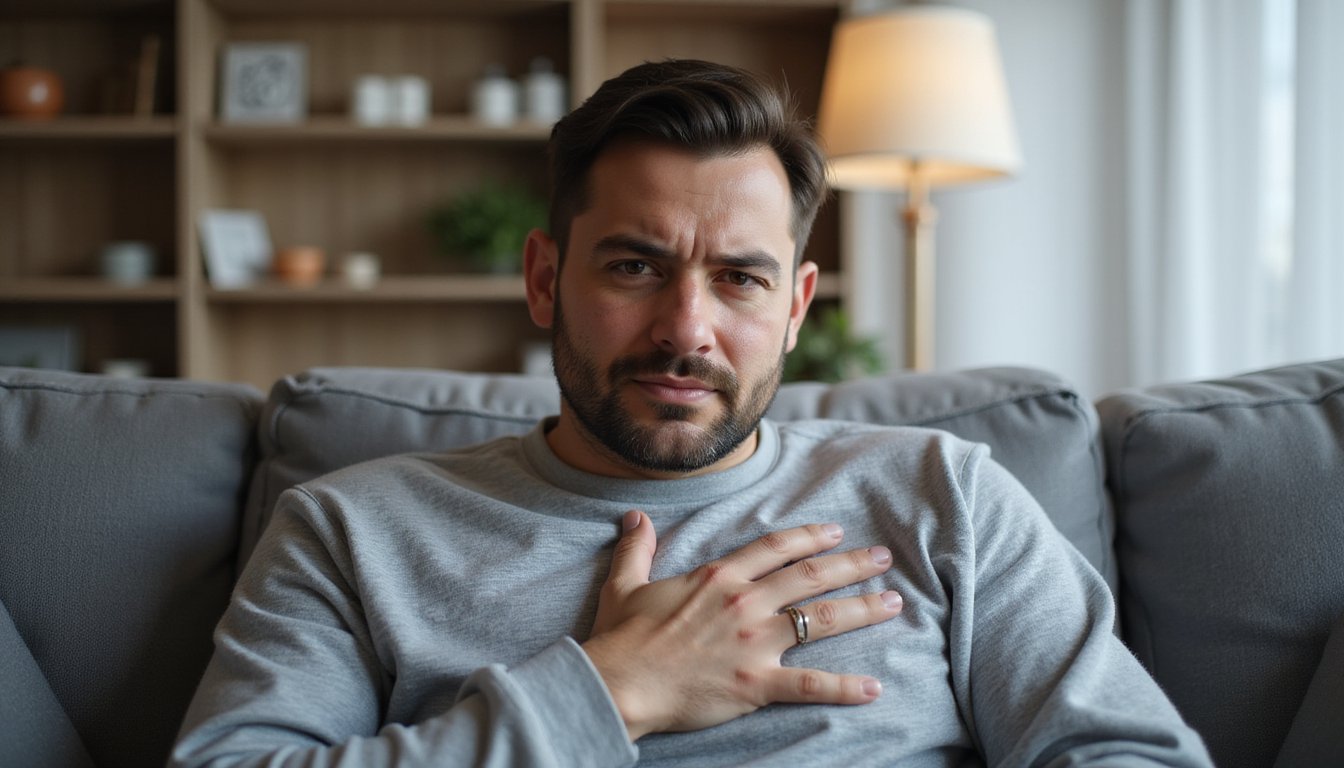
When anxiety surfaces after drinking, it often shows up in your body first, you might notice a racing heart, trembling hands, or chest tightness that feels alarming even though it’s a predictable neurological rebound. These physical warning signs frequently overlap with emotional distress indicators like intense regret, a sense of dread, or heightened self-consciousness about what you said or did while intoxicated. Recognizing these symptoms as alcohol-related anxiety, rather than dismissing or catastrophizing them, is an important step toward understanding how drinking affects your mental health. For many, experiencing anxiety disorder after drinking alcohol can lead to a cycle of avoidance where individuals may choose not to drink at social events to prevent uncomfortable feelings. However, this avoidance can sometimes exacerbate the feelings of isolation or anxiety, creating a troubling feedback loop. It’s crucial to seek support and develop coping strategies that can help manage these feelings in healthier ways.
Physical Warning Signs
Although the emotional toll of hangxiety often gets the most attention, the physical symptoms can be just as distressing, and they’re worth recognizing. If you’ve wondered why I get anxiety after drinking alcohol, it’s partly because alcohol acts as a central nervous system depressant, and when it wears off, your body overcorrects, triggering a rebound stress response.
Here are common physical warning signs to watch for:
| Symptom | What’s Happening |
|---|---|
| Shakiness & tremors | GABA receptor changes cause mini-withdrawal effects, often paired with sweating |
| Racing heart & palpitations | Glutamate excess activates fight-or-flight, elevating cortisol and heart rate |
| Fatigue & weakness | Disrupted sleep and low blood sugar drain your energy, increasing sensitivity to light and sound |
Don’t dismiss these signals, they’re your body communicating distress.
Emotional Distress Indicators
Beyond the physical symptoms, alcohol’s aftereffects also take a measurable toll on your emotional state, and these signs can be harder to recognize because they mimic everyday stress. As dopamine drops below baseline and serotonin regulation falters, you may notice a pervasive sense of dread, irritability, or emotional flatness that feels disproportionate to your circumstances.
Racing thoughts and heightened self-consciousness are common, particularly if you’re already prone to anxiety or depression. You might replay conversations from the night before, fixating on perceived mistakes. Elevated cortisol sustains this hypervigilant state, keeping your nervous system locked in a “fight or flight” response.
These emotional shifts can persist for several days after heavy drinking. If you’re using alcohol to manage stress, this rebound distress often exceeds your original anxiety levels.
Hangxiety: Why the Morning After Feels So Dreadful
If you’ve ever woken up after a night of heavy drinking with an overwhelming sense of dread, shame, or unease that you can’t quite explain, you’ve likely experienced what’s commonly called “hangxiety”, a blend of hangover and anxiety that affects over 22% of drinkers. This isn’t just emotional discomfort, it’s a milder form of alcohol withdrawal driven by real neurochemical shifts.
During drinking, your brain boosts GABA and suppresses glutamate, creating temporary calm. Once alcohol clears your system, those levels reverse sharply. GABA drops, glutamate surges, and your neurons become overactive. Simultaneously, cortisol spikes as your body processes the stress of heavy consumption. The result is racing thoughts, intense worry, paranoia, and a heavy sense of doom that’s difficult to shake.
How to Calm Anxiety After Drinking
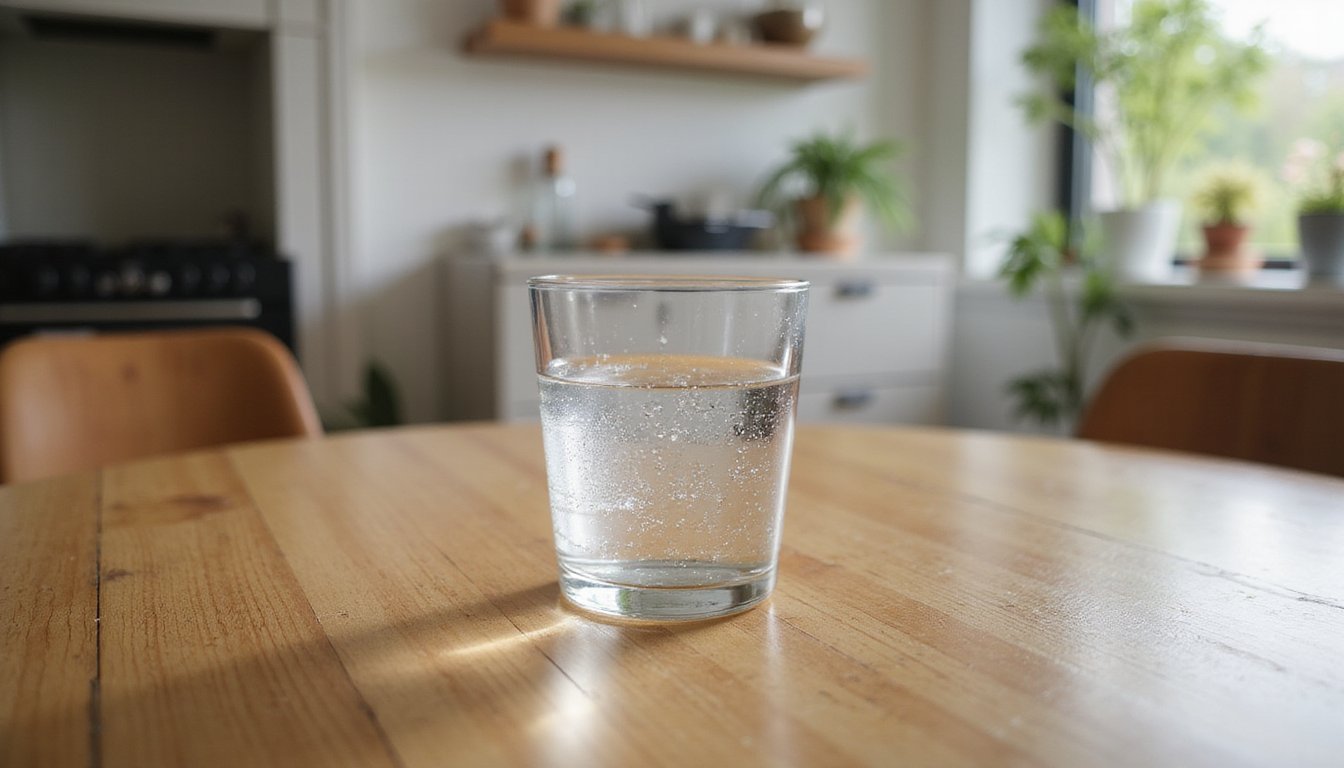
When anxiety hits after drinking, you can start by rehydrating with electrolyte-rich beverages and eating nutrient-dense foods containing potassium, vitamin B, and zinc to ease the physical symptoms fueling your distress. Prioritizing rest gives your body time to process alcohol’s remnants and allows your nervous system to recalibrate, naturally reducing rebound anxiety. Grounding techniques like deep breathing exercises and mindfulness meditation can also help you regain a sense of calm by redirecting your focus away from racing thoughts.
Hydration and Rest Tips
Because alcohol acts as a diuretic, it accelerates fluid loss and leaves your body dehydrated, a state that can independently heighten anxiety, reduce calmness, and lower overall well-being. Drinking water between alcoholic beverages helps maintain hydration and reduces next-day anxiety severity. Replenishing electrolytes through nutrient-rich foods and beverages further supports nervous system recovery by correcting mineral deficits that impair stress regulation.
Rest is equally critical. Alcohol disrupts sleep architecture by interfering with deep sleep and REM cycles, leaving you unrefreshed. This sleep disruption directly amplifies anxiety, compounding the effects of depleted serotonin and dopamine levels. Prioritizing adequate sleep allows your nervous system to rebalance brain chemistry and normalize cortisol levels. Together, proper hydration and restorative rest address two key physiological drivers of post-drinking anxiety.
Grounding Techniques for Relief
Hydration and rest lay the groundwork for physical recovery, but your mind often needs its own set of tools to manage the acute waves of anxiety that arise after drinking. Grounding techniques redirect your focus from racing thoughts to immediate sensory input, interrupting the anxiety spiral.
| Technique | How It Works |
|---|---|
| Box Breathing | Inhale four counts, hold four, exhale four, hold four, repeat to calm your nervous system |
| 5-4-3-2-1 Method | Identify five things you see, four you touch, three you hear, two you smell, one you taste |
| Progressive Muscle Relaxation | Tense and release each muscle group systematically to discharge physical tension |
| Ice Application | Hold ice cubes or apply cold packs to your neck or chest to interrupt anxiety through intense sensory input |
Is It Hangxiety or Alcohol Withdrawal?
The morning after heavy drinking can bring a wave of dread, shakiness, and racing thoughts, a phenomenon often called “hangxiety,” a blend of hangover and anxiety. It stems from drops in GABA, dopamine, and serotonin paired with a cortisol surge as alcohol leaves your system. Hangxiety typically resolves within 24 hours with rest and hydration.
Alcohol withdrawal is different. It signals physical dependence, your brain has adapted to alcohol’s presence. Symptoms like tremors, sweating, and rapid heartbeat begin 6, 12 hours after your last drink and can worsen over days. If drinking again temporarily relieves your anxiety, that’s a key warning sign.
Watch for shaking, insomnia, or symptoms lasting beyond 24 hours. Hallucinations, seizures, or confusion require immediate medical attention, as severe withdrawal can become life-threatening.
Who Gets Anxiety After Drinking Most Often?
Several groups face a particularly higher risk of anxiety after drinking, and understanding where you fall can help you take proactive steps.
If you have a pre-existing anxiety or mood disorder, you’re markedly more vulnerable, 20-40% of people with these conditions develop alcohol use disorder symptoms, compared to 5% in the general population. Baseline anxiety also intensifies hangxiety after binge drinking.
Young adults are disproportionately affected, with 70-80% of Gen Z reporting weekly hangxiety. Among college-age hazardous drinkers, 77.5% show elevated anxiety sensitivity, making them over three times more likely to drink at harmful levels.
Age matters too. If you’re 26-50, heavier drinking per session predicts higher anxiety a year later. Lower socioeconomic status also increases risk, with 44% drinking specifically to forget problems.
Why Anxiety After Drinking Gets Worse Over Time
When you drink regularly, your brain doesn’t passively absorb alcohol’s effects, it actively fights back. It reduces GABA sensitivity and ramps up glutamate production to counteract alcohol’s sedation. Over time, this neuroadaptation means you need more alcohol to feel calm, but each withdrawal period produces sharper anxiety spikes.
This tolerance cycle creates a compounding problem. As consumption increases, so does the severity of rebound anxiety and depressive symptoms. Your sleep quality deteriorates further, eroding the emotional resilience you’d need to manage that anxiety. Meanwhile, hyperkatifeia, the emotional distress that emerges during withdrawal, intensifies with repeated exposure.
You’re also more likely to experience regret-driven anxiety from impaired decisions, reinforcing dependence on alcohol as a coping mechanism.
When Post-Drinking Anxiety Signals a Deeper Problem
Not all post-drinking anxiety follows the same pattern, and knowing when it crosses from a predictable hangover response into something more serious can change how you approach your mental health. If your anxiety persists beyond 48 hours, you’re likely dealing with more than a typical rebound effect.
Watch for these warning signs: panic attacks triggered specifically by drinking episodes, consistent physical symptoms like elevated heart rate and sweating after consumption, and behavioral changes, including recklessness or aggression. When you’re increasing alcohol intake to achieve the same calming effect, you’ve entered a dependence cycle.
Pre-existing anxiety that drives you toward alcohol as a coping mechanism creates particular vulnerability to addiction, distinguishing temporary discomfort from a co-occurring disorder requiring professional intervention.
When to Get Professional Help for Drinking Anxiety
Though occasional anxiety after drinking often resolves on its own, persistent symptoms that last beyond a few weeks signal it’s time to consult a professional. You should contact your GP if you’re experiencing panic attacks after drinking, difficulty controlling intake, or needing alcohol first thing in the morning to manage anxiety. These patterns suggest a dependence risk that requires clinical evaluation.
A mental health professional can assess whether you have co-occurring anxiety and alcohol use disorders, a combination affecting 20, 40% of people with anxiety diagnoses. Early intervention improves outcomes considerably. Your doctor may recommend CBT, medication adjustments, or structured treatment plans. You can also call the SAMHSA National Helpline for free, confidential referrals available 24/7. Developing coping strategies alongside professional guidance strengthens long-term recovery.
Relief Is Closer Than You Think
Anxiety and alcohol often go hand in hand, and without the right support in place, moving forward can feel like an impossible task without someone in your corner. At Florida Sober Living Homes, we offer a Sobriety Support program built to give you the foundation you need to heal and move forward with confidence. Call (239) 977-9241 today and let us be the support system you have been looking for
Frequently Asked Questions
Can Anxiety After Drinking Alcohol Cause a Heart Attack?
Anxiety after drinking doesn’t directly cause a heart attack. Your post-alcohol anxiety stems from GABA depletion, which can trigger palpitations and chest tightness that mimic cardiac events but lack an ischemic basis. However, heavy or binge drinking itself considerably raises your heart attack risk, doubling it within 24 hours after 6, 9 drinks. If you’re experiencing chest pain or severe symptoms, you shouldn’t dismiss them; seek medical evaluation to rule out cardiac causes.
Does Mixing Different Types of Alcohol Make Hangxiety Worse?
Mixing different types of alcohol doesn’t directly worsen hangxiety through a chemical interaction, your body processes all alcohol as ethanol regardless of type. However, mixing often leads you to drink more overall, which intensifies your nervous system’s rebound effect. Darker liquors containing higher congeners can also amplify inflammation and discomfort, heightening anxiety symptoms. It’s your total alcohol intake and congener exposure, not the mixing itself, that most influences hangxiety severity.
Can Certain Foods Before Drinking Prevent Alcohol-Related Anxiety?
Yes, eating certain foods before drinking can help reduce alcohol-related anxiety. You’ll benefit from omega-3-rich foods like salmon or walnuts, which lower inflammation linked to anxiety. Protein sources such as eggs and turkey support neurotransmitter production and slow alcohol absorption. Magnesium-rich foods like spinach and bananas replenish nutrients that alcohol depletes. Complex carbohydrates, including oatmeal, help stabilize blood sugar and boost serotonin. These choices won’t eliminate hangxiety but can meaningfully lessen its intensity.
Is Alcohol-Induced Anxiety Different From a Regular Anxiety Disorder?
Yes, they’re distinct. Alcohol-induced anxiety is directly tied to drinking and resolves as your body clears the alcohol, while a regular anxiety disorder involves persistent symptoms lasting at least six months, independent of substance use. You’ll notice hangxiety follows heavy intake and fades with time, whereas generalized anxiety persists daily. However, if you’re using alcohol to manage an existing disorder, you risk creating a harmful cycle that worsens both conditions.
Will Taking Supplements Like Magnesium Reduce Anxiety After Drinking?
Magnesium supplements may help reduce your post-drinking anxiety. Alcohol depletes magnesium through increased urinary loss, and low levels are directly linked to heightened anxiety and nervous system overactivity. Research shows magnesium’s NMDA antagonism can regulate anxiety during alcohol withdrawal, and supplementation has improved clinical anxiety scores. Magnesium glycinate is particularly effective for promoting relaxation. However, you shouldn’t rely on supplements to offset drinking’s effects, reducing alcohol consumption remains the most reliable approach.