After drinking, your brain’s rebound from alcohol’s artificial calm triggers a surge in glutamate and cortisol while depleting GABA, leaving your nervous system hyperactive. You’ll likely notice a racing heart, sweating, chest tightness, racing thoughts, and an overwhelming sense of dread. These symptoms typically peak as your blood alcohol level hits zero and can linger for days. Understanding anxiety symptoms after drinking alcohol, who’s most vulnerable, and how to break this cycle can change everything.
Why Alcohol Triggers Anxiety Instead of Easing It
As your body processes alcohol, GABA levels drop and glutamate surges, heightening tension. You’ll likely notice hangxiety symptoms like racing thoughts, irritability, and difficulty concentrating. Dehydration and poor sleep further compound these effects. Increased heart rate, alcohol anxiety becomes especially pronounced with high-proof spirits that cause sharp blood alcohol spikes. If you have pre-existing anxiety, this rebound often exceeds your baseline symptoms. Heavy drinking also increases dopamine levels temporarily, but the subsequent crash intensifies anxious feelings even further.
What Alcohol Does to Your Brain’s Calm Chemicals
When you drink alcohol, it enhances your brain’s GABA activity, the primary inhibitory neurotransmitter responsible for producing feelings of calm and relaxation. However, this artificial boost triggers your brain to compensate by reducing its natural GABA sensitivity and increasing excitatory glutamate signaling, disrupting the delicate chemical balance that regulates your mood. Understanding this neurochemical shift helps explain why the initial relaxation you feel from alcohol can quickly give way to heightened anxiety as your brain struggles to recalibrate. Over time, these repeated disruptions can lead to tolerance and dependence, as long-term alcohol abuse causes lasting physiological changes in the brain’s neurological pathways.
GABA and Initial Relaxation
Your brain relies on a chemical called gamma-aminobutyric acid (GABA) to keep neural activity in check, it’s the primary inhibitory neurotransmitter in your central nervous system, fundamentally functioning as your brain’s built-in braking system.
When you drink, alcohol acts as a positive allosteric modulator, amplifying GABA’s initial relaxation and sedation effects through these mechanisms:
- Enhanced chloride flow into neurons, increasing inhibitory signaling
- Boosted frequency and duration of GABA_A channel openings
- Decreased time spent in the closed channel state
- Reduced excitatory NMDA activity, compounding the calming effect
This GABA surge explains why your first drinks produce calm and muscle relaxation. However, understanding this process reveals why physical symptoms of anxiety and alcohol withdrawal triggers emerge later, and why anxiety symptoms after drinking alcohol develop as your brain recalibrates. Long-term ethanol exposure causes neuronal adaptation in receptor expression, which means your brain physically reshapes its chemistry to counteract alcohol’s persistent calming influence.
Disrupted Brain Chemical Balance
Chronic exposure increases neuroactive steroids acting on GABA receptors, while glutamatergic circuits compensate with rebound hyperexcitability. This excitatory overactivity drives alcohol withdrawal symptoms, anxiety, and persistent irritability after alcohol consumption. Your brain’s receptor adaptations persist beyond intoxication, meaning the chemical imbalance fueling your anxiety continues well after your last drink.
Why Your Anxiety Spikes the Day After Drinking
When you stop drinking, your body doesn’t simply return to its baseline, it overcorrects, flooding your system with cortisol as part of a rebound stress response that can leave you feeling wired and on edge the next day. At the same time, your brain is actively rebalancing the neurochemical shifts alcohol caused, temporarily producing more excitatory activity than it can offset, which directly fuels heightened anxiety. This combination of hormonal surge and neural recalibration explains why the morning after drinking often feels markedly worse than the anxiety you may have been trying to quiet in the first place.
Cortisol Rebound Stress Response
Although alcohol may initially feel like it eases tension, it actually triggers a complex hormonal chain reaction that leaves your body more stressed than before. When you drink, your cortisol levels temporarily drop, creating a false sense of calm. However, as your blood alcohol rises above 0.08%, your HPA axis activates, spiking cortisol beyond typical stress levels.
The rebound phase hits hardest the next day:
- Your body overcorrects the initial cortisol dip, pushing levels markedly above your baseline
- Your HPA axis overreacts during withdrawal, surging both cortisol and ACTH
- You’ll experience heightened stress perception even without an actual stressor present
- This hormonal disruption predicts increased cravings and intensified anxiety symptoms
Understanding this rebound pattern helps you connect next-day anxiety directly to alcohol’s neurochemical impact.
Brain Rebalancing Triggers Anxiety
Beyond cortisol’s rebound effect, your brain’s own neurotransmitter systems undergo a dramatic rebalancing act that directly fuels next-day anxiety. While you’re drinking, alcohol enhances GABA activity and boosts dopamine and serotonin, creating artificial calm. Your brain compensates by ramping up glutamate production and reducing GABA receptors to offset this suppression.
Once alcohol clears your system, you’re left with depleted GABA, diminished dopamine, and excess glutamate overstimulating your neurons. This imbalance activates your fight-or-flight response, producing restlessness, racing thoughts, and panic-like states. You’ll notice symptoms peak as your central nervous system rebounds from suppression into hyperexcitability.
Your brain does recalibrate over days to weeks, but repeated heavy drinking progressively disrupts this recovery. Each cycle deepens the imbalance, making baseline anxiety harder to restore.
Most Common Anxiety Symptoms After Drinking
Alcohol-related anxiety manifests through a distinct cluster of physical, cognitive, emotional, and panic-related symptoms that can range from mildly uncomfortable to deeply distressing. the experience of anxiety after drinking alcohol can vary significantly from person to person. Some may find themselves feeling overwhelmed simply by social interactions, while others may struggle with racing thoughts and physical tension. Understanding these reactions is crucial for those who wish to manage their alcohol consumption effectively.
Hangover anxiety hits on every level, physical, cognitive, emotional, and it can range from uneasy to overwhelming.
You’ll typically notice these symptoms as your body works to rebalance after drinking:
- Physical symptoms, You may experience increased heart rate, sweating, shakiness, nausea, and headaches as your nervous system rebounds.
- Cognitive symptoms, Racing thoughts, trouble concentrating, and over-analysing your behaviour from the night before are common.
- Emotional symptoms, Feelings of dread, restlessness, paranoia, and embarrassment can surface without clear cause.
- Panic-related symptoms, You might face chest tightness, intense fear, or full panic attacks, particularly if you’re predisposed to anxiety.
Research shows 12% of adult drinkers experience hangover anxiety, with rebound anxiety often exceeding your baseline levels.
Who’s at Higher Risk for Alcohol Anxiety?
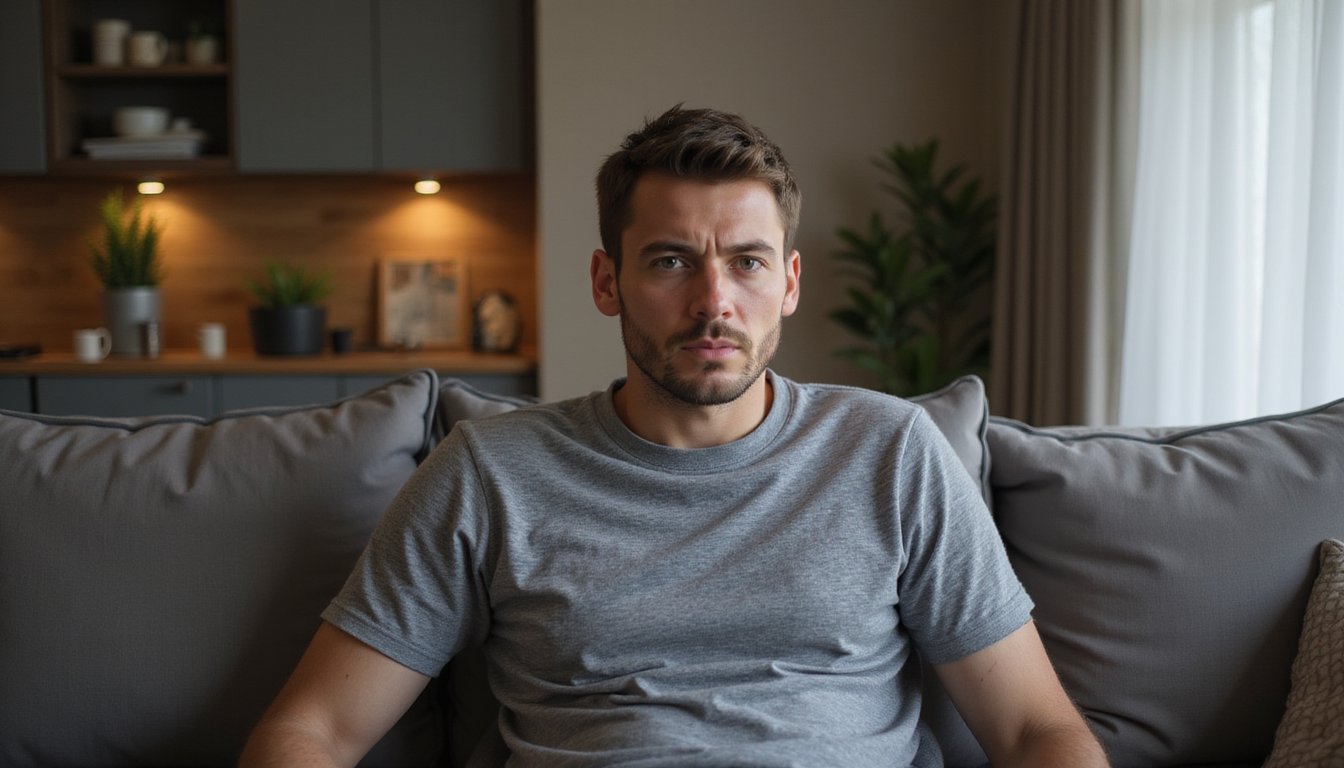
If you’re living with a pre-existing anxiety or mood disorder, your body’s already primed to produce stronger anxiety responses after drinking, even at lower intake levels. Heavy drinkers and those who binge are similarly vulnerable, as repeated alcohol exposure disrupts your brain’s ability to regulate stress and emotion over time. Understanding which risk category you fall into can help you and your provider anticipate and manage post-drinking anxiety more effectively.
Pre-Existing Mental Health
While anyone can experience anxiety after drinking, certain individuals face a markedly higher risk due to pre-existing mental health conditions. If you’re living with an existing disorder, alcohol can intensify your symptoms through shared neurobiological pathways. Understanding how long does it take for anxiety to stop after drinking alcohol can help those at risk make informed choices about their drinking habits. It’s important to recognize that the timeline for recovery can vary greatly among individuals, influenced by factors such as the amount of alcohol consumed and personal health history. Seeking professional advice can provide tailored strategies to manage anxiety effectively post-drinking.
- Anxiety disorders: Up to 50% of individuals in treatment for alcohol use disorder also meet criteria for an anxiety disorder. If you drink to cope, you face a fivefold increased risk for developing alcohol dependence within three years.
- Depressive disorders: You’ll experience greater alcohol-related problems than someone without depression, even at identical drinking levels.
- Trauma and stress-related disorders: You require less overall alcohol exposure to shift from nonproblematic use to alcohol use disorder.
- Familial risk factors: Shared genetic vulnerabilities between anxiety and alcohol disorders compound your susceptibility.
Heavy Drinkers and Bingers
Because the amount and pattern of alcohol you consume directly shape your anxiety risk, heavy drinkers and binge drinkers face disproportionately higher vulnerability. More than one-third of alcoholics experience severe anxiety episodes, and 40% report intense panic attacks during periods of nervousness. Higher doses cause depressive effects during intoxication that evolve into anxiety during withdrawal, creating a cyclical pattern that’s difficult to break.
Binge drinking specifically disrupts your fight-or-flight response, amplifying anxiety symptoms between episodes. If you’re male, the link between total drinks consumed and anxiety scores is particularly strong. Research also reveals a harm paradox: if you have a pre-existing anxiety disorder, you’ll experience more negative consequences drink-for-drink than someone without one. Multiple anxiety disorders further amplify this effect.
Why Binge Drinking Triggers Severe Anxiety
Binge drinking doesn’t just leave you with a hangover, it fundamentally disrupts your brain’s neurochemistry in ways that trigger severe anxiety. When you consume large quantities of alcohol rapidly, your brain undergoes a cascade of destabilizing changes:
- GABA depletion strips away your brain’s primary calming mechanism, leaving your nervous system in a hyperactive state
- Glutamate sensitivity spikes during withdrawal, amplifying neural excitability and intensifying anxious feelings
- Dopamine crashes rapidly follow the initial surge, creating a rebound effect that surfaces as acute anxiety
- Epigenetic reprogramming in your amygdala reduces Arc protein levels and synaptic connectivity by approximately 40%, causing lasting emotional regulation deficits
These neurochemical disruptions don’t resolve overnight. Your brain’s persistent molecular modifications maintain anxiety vulnerability long after your last drink.
When Hangover Anxiety Becomes a Panic Attack
Though hangover anxiety and panic attacks share overlapping symptoms, they’re distinct experiences, and recognizing when one crosses into the other matters for your mental health. Hangover anxiety typically peaks as your blood alcohol level returns to zero, producing unease and irritability. A panic attack, however, involves a sudden surge of intense fear accompanied by a racing heartbeat, chest tightness, difficulty breathing, trembling, and a sense of doom, lasting five to 30 minutes.
Your hangover can directly trigger this escalation. Disrupted sleep, dehydration, and blood sugar fluctuations heighten your nervous system’s sensitivity. Destabilized GABA and serotonin levels amplify vulnerability. Physical hangover symptoms, elevated heart rate, sweating, nausea, mimic panic, and your brain misreads this biofeedback, activating a full fight-or-flight response that spirals into a panic attack.
Why Drinking to Calm Anxiety Always Makes It Worse
When you reach for a drink to quiet anxiety, alcohol delivers on its promise, but only briefly. It enhances GABA activity, producing temporary calm. However, as your body metabolizes alcohol, a rebound effect spikes anxiety beyond your baseline level.
This cycle creates a predictable pattern of escalation:
- Initial relief dulls tension but triggers neurochemical withdrawal as sedation fades
- Chronic use adapts your GABA and glutamate systems, raising your anxiety baseline permanently
- Rebound anxiety consistently exceeds pre-drinking levels, reinforcing dependency
- Coping-motivated drinking predicts worse outcomes, including blackouts and intensified panic
Your brain fundamentally recalibrates around alcohol’s presence. Without it, you’re more anxious than before you started drinking. The calming effect you’re chasing shrinks with each attempt, while the consequences compound. This immediate anxiety after drinking can lead to a vicious cycle, as you turn back to alcohol in hopes of finding relief. Each consumption only heightens the tension, making it harder to cope without a drink. Over time, the joy of casual drinking fades, leaving behind a constant state of unease.
Signs Your Drinking Is Causing Chronic Anxiety
If your anxiety consistently spikes after drinking rather than during random life stressors, alcohol itself may be driving a chronic anxiety cycle. Watch for these key indicators: you’re drinking four or more times weekly, consuming five or more drinks per session, or reaching for alcohol specifically when anxiety hits.
Neurologically, chronic use depletes serotonin and dopamine production, creating baseline anxiety that didn’t previously exist. You’ll notice heightened tension from GABA depletion, persistent jitteriness, and irritability that worsen between drinking episodes.
The clearest diagnostic sign is cyclical: you drink to calm, experience rebound anxiety as effects fade, then drink again to manage withdrawal symptoms. This perpetual loop signals that dependence is forming. If you can’t stop once you’ve started, that’s a critical warning.
How to Stop the Alcohol-Anxiety Cycle
Breaking the alcohol-anxiety cycle requires addressing three interconnected fronts: the neurochemical imbalance alcohol creates, the behavioral patterns that sustain it, and the psychological triggers that restart it.
You’ll need a structured, evidence-based approach:
- Reduce intake systematically. Cut back gradually, then abstain for a minimum of two weeks. Your brain chemistry will begin recalibrating, improving both sleep and baseline anxiety.
- Engage in cognitive-behavioral therapy. CBT helps you identify drinking cues and restructure the thought patterns driving self-medication.
- Consider pharmacological support. Medications like naltrexone or SSRIs can stabilize cravings and anxiety simultaneously, reinforcing your therapeutic progress.
- Build lifestyle resilience. Regular exercise, mindfulness practices, and sober support networks reduce vulnerability to relapse triggers.
Each strategy strengthens the others, creating a durable recovery.
Relief Is Closer Than You Think
Anxiety and alcohol often go hand in hand, and without the right support in place, moving forward can feel like an impossible task without someone in your corner. At Florida Sober Living Homes, we offer a Sobriety Support program built to give you the foundation you need to heal and move forward with confidence. Call (239) 977-9241 today and let us be the support system you have been looking for.
Frequently Asked Questions
How Long Does Anxiety After Drinking Alcohol Typically Last?
You’ll typically find that anxiety after drinking lasts up to 24 hours as your brain rebalances its chemistry. However, if you’re dealing with a pre-existing anxiety disorder, your symptoms can persist for several days. Heavy or binge drinking often extends this timeline further. If you’ve been drinking regularly and heavily for prolonged periods, you may experience post-acute withdrawal syndrome, where anxiety lingers for weeks or even months, requiring professional support.
Can One Drink Cause Anxiety the Next Day?
Yes, even one drink can cause anxiety the next day. When alcohol’s calming effects wear off, your brain’s chemistry shifts, glutamate rises without enough GABA to balance it, creating a mild excitatory state you’d experience as unease or restlessness. If you’re already prone to anxiety, this rebound effect hits harder. The temporary relaxation fades quickly, unmasking your underlying vulnerability and potentially triggering next-day anxious feelings despite minimal consumption.
Does Alcohol-Related Anxiety Require Medical Treatment or Professional Help?
You don’t always need medical treatment for alcohol-related anxiety, but certain signs indicate you should seek professional help. If your anxiety persists for weeks after drinking, disrupts your daily functioning, or co-occurs with alcohol use disorder, you’ll want to consult your GP. A provider can evaluate whether you’d benefit from therapies like CBT, medications such as SSRIs or gabapentin, or combined approaches that address both anxiety and drinking patterns simultaneously.
Are Certain Types of Alcohol More Likely to Cause Anxiety?
Yes, certain types of alcohol are more likely to trigger anxiety. Hard liquors like gin, vodka, and whiskey cause restlessness in about 28% of consumers and aggression in nearly 30%. Red wine’s higher histamine and congener levels can worsen your body’s inflammatory response, intensifying next-day anxiety. Higher ABV beverages disrupt your neurotransmitters, particularly GABA and serotonin, more dramatically, creating stronger rebound anxiety as your brain rebalances after drinking.
Can Supplements or Vitamins Help Reduce Anxiety After Drinking?
Yes, certain supplements can help reduce anxiety after drinking. B-vitamins restore depleted nutrients and stabilize your mood, while magnesium eases muscle tension and calms your nervous system. Vitamin C combats oxidative stress and supports serotonin production. Amino acids like L-cysteine and NAC may alleviate hangover-related anxiety and reduce cravings. You’ll want to consult your healthcare provider before starting any supplement regimen, as they can assess your specific deficiencies and recommend appropriate dosages.