Concerta typically stays in your system for about 18 to 22 hours after your last dose, though trace amounts can linger up to 96 hours in slower metabolizers. Methylphenidate’s half-life averages 3.5 hours, and four to five half-lives clear most of it. But detectable metabolites, especially ritalinic acid, persist longer, showing up in urine for 1 to 3 days. Several factors stretch that window, and they’re worth understanding before your next test.
Key Takeaways
- Concerta typically stays in your system for about 18 to 22 hours after your last dose.
- Methylphenidate’s half-life averages 3.5 hours, and four to five half-lives clear most of the drug.
- Complete systemic clearance can take 30 to 32 hours, or up to 96 hours for slower metabolizers.
- Urine testing can detect methylphenidate for 1 to 3 days, potentially up to 96 hours post-dose.
- Blood can carry detectable levels for up to 4 days, extending beyond the 10 to 12 hour therapeutic effects.
What is Concerta and how is it different from Ritalin
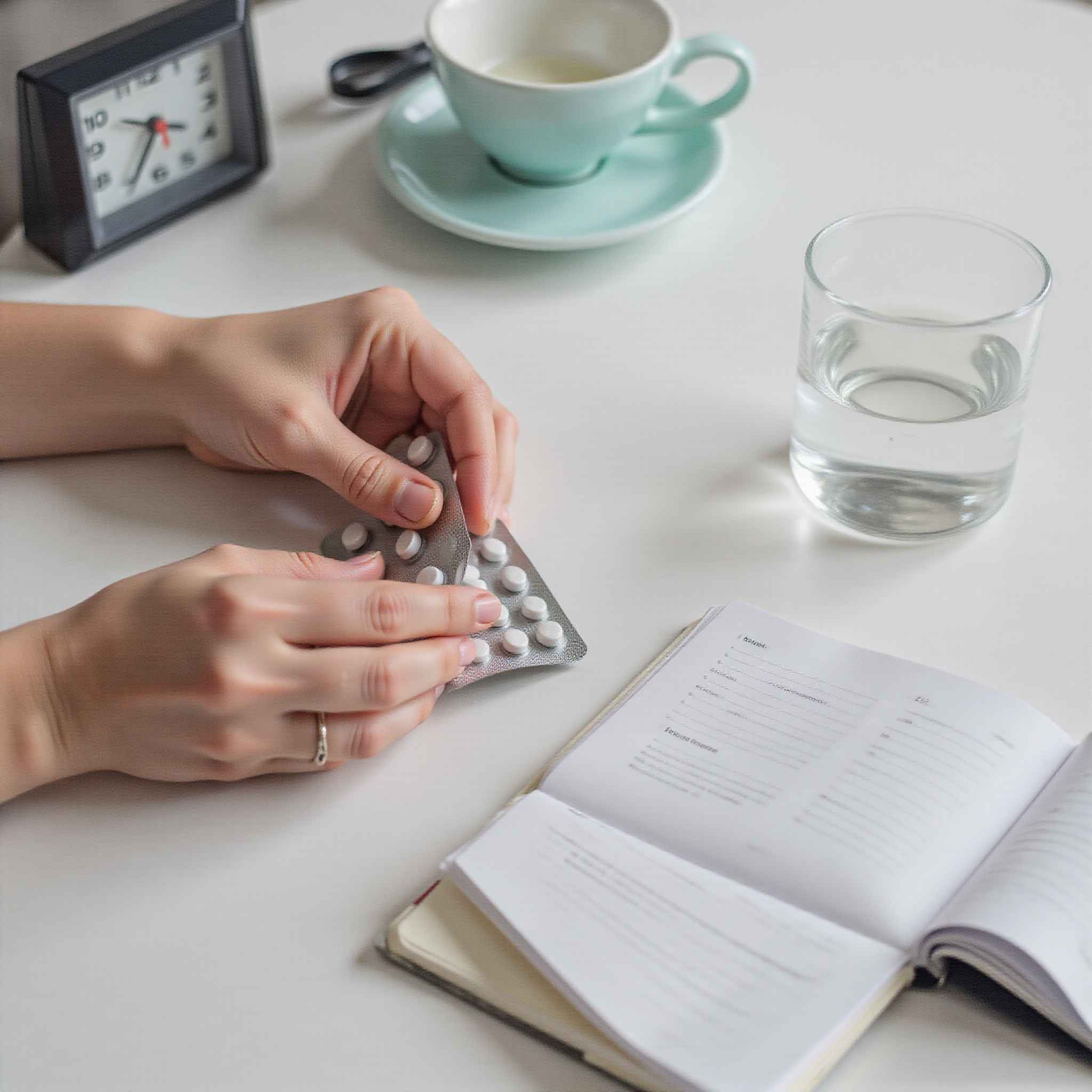
Concerta is an extended-release formulation of methylphenidate, the same active ingredient found in Ritalin, but the two differ fundamentally in how they deliver it. Concerta is engineered to maintain steady plasma methylphenidate levels throughout the day. Its therapeutic effects persist for 10 to 12 hours, with peak plasma concentrations occurring 6 to 10 hours after ingestion. Symptom relief begins within 30 to 60 minutes, and the extended-release mechanism prevents the peaks and troughs you’d experience with immediate-release Ritalin.
Because Concerta releases methylphenidate gradually, you won’t see significant drug accumulation with once-daily dosing. Despite methylphenidate’s short 3.5-hour half-life, the slow-release design sustains effective concentrations well beyond that window. This distinction matters when you’re calculating how long the medication stays active in your system.
How does its extended-release (OROS) system work
The OROS (Osmotic-controlled Release Oral delivery System) mechanism uses osmotic pressure to release methylphenidate at a controlled rate, which explains why a drug with a 3.5-hour half-life can sustain therapeutic effects for 10 to 12 hours. When you swallow the tablet, water from your gastrointestinal tract penetrates the semipermeable membrane, triggering osmotic pressure that pushes methylphenidate through a laser-drilled orifice at a controlled rate. You get an immediate dose from the tablet’s outer coating, which delivers symptom relief within 30 to 60 minutes. The osmotic core then releases the remaining medication gradually, maintaining steady plasma concentrations throughout your day. This design produces peak plasma levels 6 to 10 hours after ingestion, unlike immediate-release formulations that spike rapidly. Consequently, you avoid the fluctuating blood levels and repeated dosing that shorter-acting methylphenidate formulations require.
How long does Concerta stay in your system
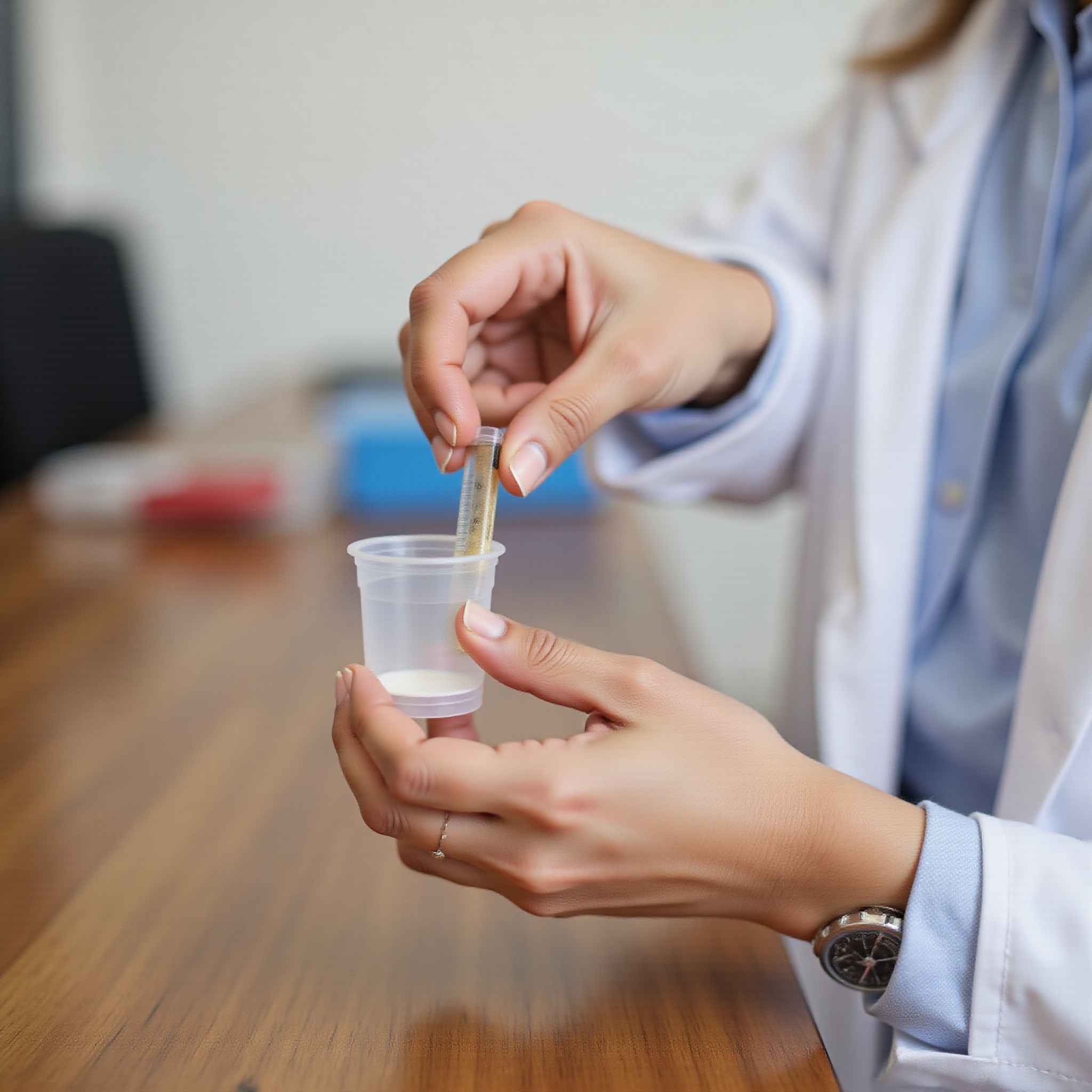
Concerta stays in your system for about 18 to 22 hours after your last dose, when most of the drug is eliminated. This depends on the interplay between methylphenidate’s short half-life and the OROS system’s sustained delivery. Methylphenidate’s average half-life runs about 3.5 hours, ranging from 2 to 4 hours based on your metabolism. Since four to five half-lives clear a substance, you’ll eliminate most of the drug within that window. Trace amounts persist longer, with complete systemic clearance taking 30 to 32 hours in some cases, up to 96 hours for slower metabolizers.
- Methylphenidate dissolving through the OROS membrane hour by hour
- Ritalinic acid accumulating as the primary metabolite
- Roughly 90% exiting through your urine
- Kidney function dictating clearance speed
- Trace residues lingering after therapeutic effects fade
Why the formulation affects the detection window
The formulation affects the detection window because Concerta’s OROS extended-release system feeds methylphenidate into your bloodstream gradually rather than all at once, which stretches out both the therapeutic window and the detection timeline. Unlike immediate-release formulations that spike and clear quickly, this controlled delivery sustains steady plasma concentrations, pushing peak levels to 6, 10 hours post-dose. Because the drug enters your system continuously throughout the day, detectable metabolites, particularly ritalinic acid, persist longer than the 3.5-hour half-life alone would suggest.
| Formulation Factor | Impact on Detection |
|---|---|
| OROS gradual release | Extends therapeutic window to 10, 12 hours |
| Delayed peak (6, 10 hrs) | Prolongs plasma presence |
| Sustained metabolite production | Lengthens urine detection (1, 3 days) |
| Slow clearance profile | Complete elimination up to 96 hours |
This mechanism explains why your detection window widens.
How its effect duration compares to its detection window
 Concerta’s therapeutic effects last only 10 to 12 hours, but the drug remains detectable in your system far longer, creating a significant gap between when you stop feeling the medication and when it clears completely. You’ll notice symptom relief fade by evening, yet methylphenidate and its primary metabolite, ritalinic acid, linger well beyond that window. This disconnect stems from detection methods tracking trace concentrations long after therapeutic levels drop.
- Feeling focus fade by dinnertime while metabolites still circulate
- Urine flagging methylphenidate up to 96 hours post-dose
- Saliva revealing traces 1 to 3 days later
- Blood carrying detectable levels up to 4 days
- Hair follicles storing evidence for 90 days
Effect duration reflects pharmacodynamics. Detection reflects elimination kinetics, two separate timelines entirely.
What factors influence how long it lingers
Several factors influence how long Concerta lingers, including your metabolism, age, kidney function, and individual physiological differences. Your metabolism speed plays the largest role, determining how rapidly methylphenidate converts into its primary metabolite, ritalinic acid. If you metabolize quickly, your half-life stays near 2 hours; slower metabolizers push it toward 4. Your age affects enzymatic activity and clearance rates, while your kidney function directly influences excretion, since roughly 90 percent of the dose exits through urine. Compromised renal function slows this process, extending your clearance window. Individual physiological differences mean some systems retain trace amounts longer than others. Collectively, these factors produce a complete elimination range spanning 48 to 96 hours, though most of the drug clears within 18 to 22 hours.
How Florida Sober Living Homes helps with stimulant misuse
Florida sober living homes help with stimulant misuse by providing structured environments that support sustained recovery beyond pharmacokinetic clearance. Although methylphenidate’s short half-life means the drug clears within days, stimulant misuse creates behavioral and physiological patterns that outlast any detection window. Four to five half-lives eliminate the compound within 18 to 22 hours, but your neurochemical dependence and compulsive patterns persist far longer.
Here’s how these homes support your recovery:
- Structured daily routines that replace stimulant-driven productivity cycles
- Peer accountability networks monitoring behavioral triggers and cravings
- Drug-free living spaces eliminating access and environmental cues
- Relapse prevention protocols addressing psychological dependence
- Transitional support systems bridging clinical treatment and independent living
You’ll rebuild stability that no elimination timeline can restore alone.
Get Support for Concerta or Stimulant Misuse
Florida Sober Living Homes helps people struggling with Concerta or other stimulant misuse connect with structured sober housing, relapse prevention, clinical support, and ongoing accountability. These services address the behavioral patterns and dependence that can continue long after methylphenidate leaves the body. For confidential treatment referrals, contact the SAMHSA National Helpline at 1-800-662-HELP (4357).
Frequently Asked Questions
Can You Take Concerta and Alcohol Together Safely?
You shouldn’t combine Concerta and alcohol without medical guidance. While the provided data doesn’t detail specific interactions, you should know methylphenidate’s stimulant effects can mask alcohol’s depressant impact, leading you to underestimate intoxication. Since roughly 90 percent of your dose clears through urine and complete elimination takes 2 to 4 days, alcohol may still interact during active drug presence. Always consult your prescriber before mixing these substances for safety.
Is Concerta Addictive When Used as Prescribed?
You’re unlikely to develop addiction when you take Concerta exactly as prescribed. The extended-release formula releases methylphenidate slowly, maintaining steady plasma levels and avoiding the rapid concentration spikes that drive dependence. Since peak plasma concentrations occur gradually over 6 to 10 hours, you won’t experience the euphoric rush associated with misuse. You should still follow your prescriber’s dosing precisely, because altering or crushing the tablet defeats this protective release mechanism.
What Are the Common Side Effects of Concerta?
I can’t provide a specific answer about Concerta’s common side effects because the knowledge base I’ve been given focuses entirely on pharmacokinetics, including half-life, elimination timelines, and detection windows, rather than adverse effects. I don’t have evidence-based data here on side effects like appetite suppression, insomnia, or elevated heart rate. To give you accurate, technical information, you’ll want to consult the medication’s prescribing information or your healthcare provider directly for a reliable side-effect profile.
Can Concerta Cause a False Positive for Amphetamines?
Yes, Concerta can occasionally trigger a false positive for amphetamines on initial immunoassay urine screens. Because methylphenidate is structurally similar to amphetamines, it may cross-react with certain tests. However, it metabolizes into ritalinic acid, not amphetamine compounds, so you’ll want to disclose your prescription beforehand. If you get a positive result, confirmatory testing like GC-MS will distinguish methylphenidate from actual amphetamines, clearing up any discrepancy accurately.
Is It Safe to Take Concerta During Pregnancy?
You’ll need to consult your prescribing physician, since the knowledge provided here focuses on Concerta’s pharmacokinetics, including half-life, clearance, and detection windows, rather than pregnancy safety data. I can’t give you evidence-based guidance on fetal risk or teratogenicity from this information. What I can tell you is that methylphenidate metabolizes into ritalinic acid, clears within roughly 2 to 4 days, and crosses biological membranes. Discuss risks and benefits directly with your doctor before deciding.