To stop anxiety after drinking, start by hydrating with electrolyte-rich fluids, dehydration spikes cortisol and worsens anxious feelings. Practice slow, deep breathing to activate your body’s calming response, and eat nutrient-dense foods rich in magnesium and B vitamins to help restore depleted neurotransmitters. Prioritize rest, since disrupted REM sleep intensifies emotional distress. Light movement, like walking, can release endorphins and lower stress hormones. Understanding why this rebound happens, and who’s most vulnerable, can help you break the cycle for good.
Why Does Alcohol Make You Anxious the Next Day?
When you wake up after a night of drinking feeling inexplicably anxious, you’re experiencing a well-documented neurochemical rebound. Alcohol initially boosts GABA and dopamine, creating calm and pleasure. As it leaves your system, these neurotransmitters plummet while excitatory glutamate surges, triggering post alcohol anxiety treatment needs for many people.
Cortisol spikes intensify your stress response, and disrupted REM sleep leaves your brain wired yet exhausted. Dehydration and blood sugar drops compound the unease physically. Memory gaps fuel rumination, guilt, and dread, making it harder to reduce hangxiety through willpower alone. Chronic heavy drinking can also cause structural changes in the brain, particularly in areas like the prefrontal cortex that regulate fear and anxiety, compounding these next-day effects over time.
Understanding this cycle is the critical first step in learning how to stop anxiety after drinking alcohol. These symptoms aren’t personal failure; they’re your nervous system recalibrating after chemical disruption.
How to Calm Anxiety After Drinking Right Now
- Hydrate immediately. Hydration and alcohol recovery go hand in hand, water and electrolyte-rich drinks restore cognitive function and stabilize mood.
- Move your body. Even moderate exercise reduces cortisol and releases endorphins, combating symptoms in real time.
- Practice slow breathing. Lengthening your exhales activates your body’s calming response, eliminating dizziness and rapid heartbeat.
- Rest intentionally. Sleep or light distraction supports your brain’s recovery process.
- Eat something nourishing. Even if your appetite is low, eating helps your brain and body recover by replenishing essential nutrients depleted by alcohol consumption.
Calming anxiety after alcohol doesn’t require complex interventions, just consistent, targeted support for your nervous system.
How Sleep and Nutrition Ease Hangover Anxiety
When hangover anxiety hits, your body is actively working to rebalance the neurotransmitter shifts and elevated cortisol that alcohol left behind, and you can support that recovery through three key strategies. Rehydrating counteracts alcohol’s diuretic effects, which drive symptoms like headache and concentration problems that amplify your emotional distress. Prioritizing sleep lets your brain chemistry repair itself, while proper nutrition stabilizes blood sugar swings that can keep your nervous system on edge. Research confirms that severe anxiety combined with daily alcohol consumption correlates with significantly decreased sleep quality, making restorative rest even more critical after drinking.
Hydration Restores Emotional Balance
Although it might seem like a minor factor, hydration plays a measurable role in how your body handles stress after drinking. Research shows dehydration elevates cortisol levels, intensifies alcohol detox symptoms and anxiety, and reduces heart rate variability, a key marker linked to heightened anxiety.
To stop anxiety after drinking alcohol, prioritize rehydration alongside these steps:
- Drink water consistently to improve HRV, which directly mediates anxiety reduction
- Add electrolyte drinks to enhance fluid absorption and mood stabilization
- Eat nutrient-rich foods to counter GABA and glutamate imbalances driving nervousness
- Alleviate thirst early since hangover anxiety peaks when blood alcohol returns to zero
Even mild dehydration worsens mood, calmness, and emotional regulation. Combining hydration with nutrition offers meaningful alcohol anxiety relief during your body’s recovery window.
Sleep Repairs Brain Chemistry
Because alcohol disrupts your brain’s delicate balance of GABA and glutamate, the hours after drinking create a neurochemical rebound that sleep is uniquely designed to repair. Alcohol suppresses REM sleep, the stage critical for emotional processing and memory consolidation. Without adequate REM, you’ll wake tired yet wired, priming your brain for irritability and racing thoughts.
Elevated glutamate and cortisol often trigger 3 a.m. wakeups, prolonging the neurotransmitter imbalance that fuels hangxiety. Prioritizing a consistent sleep schedule helps regulate dopamine and restore equilibrium. Pair this with sleep-supportive nutrition, omega-3 fatty acids, magnesium, and B vitamins, to give your neurotransmitters the building blocks they need. Before bed, breathing techniques can activate your parasympathetic nervous system, countering cortisol’s grip and easing you toward the restorative sleep your brain requires.
Nutrition Stabilizes Blood Sugar
After alcohol depletes your liver’s glycogen stores, your blood sugar can plummet, triggering shakiness, irritability, and palpitations that feel indistinguishable from a panic attack. These hypoglycemic states activate your stress response, increasing cortisol secretion and destabilizing your mood.
To stabilize blood sugar and ease post-alcohol anxiety, focus on these nutritional strategies:
- Eat regular, balanced meals with lean protein, healthy fats, and vegetables to prevent hypoglycemic dips
- Choose high-fiber foods over refined carbs to lower glycemic impact and sustain steady glucose levels
- Avoid sugary drinks and processed snacks that cause rapid blood sugar spikes followed by crashes
- Hydrate with plain water (6, 8 glasses daily) to support metabolic recovery
Prioritizing glycemic stability directly reduces the physical symptoms your brain misinterprets as anxiety.
How Long Does Anxiety Last After Drinking?
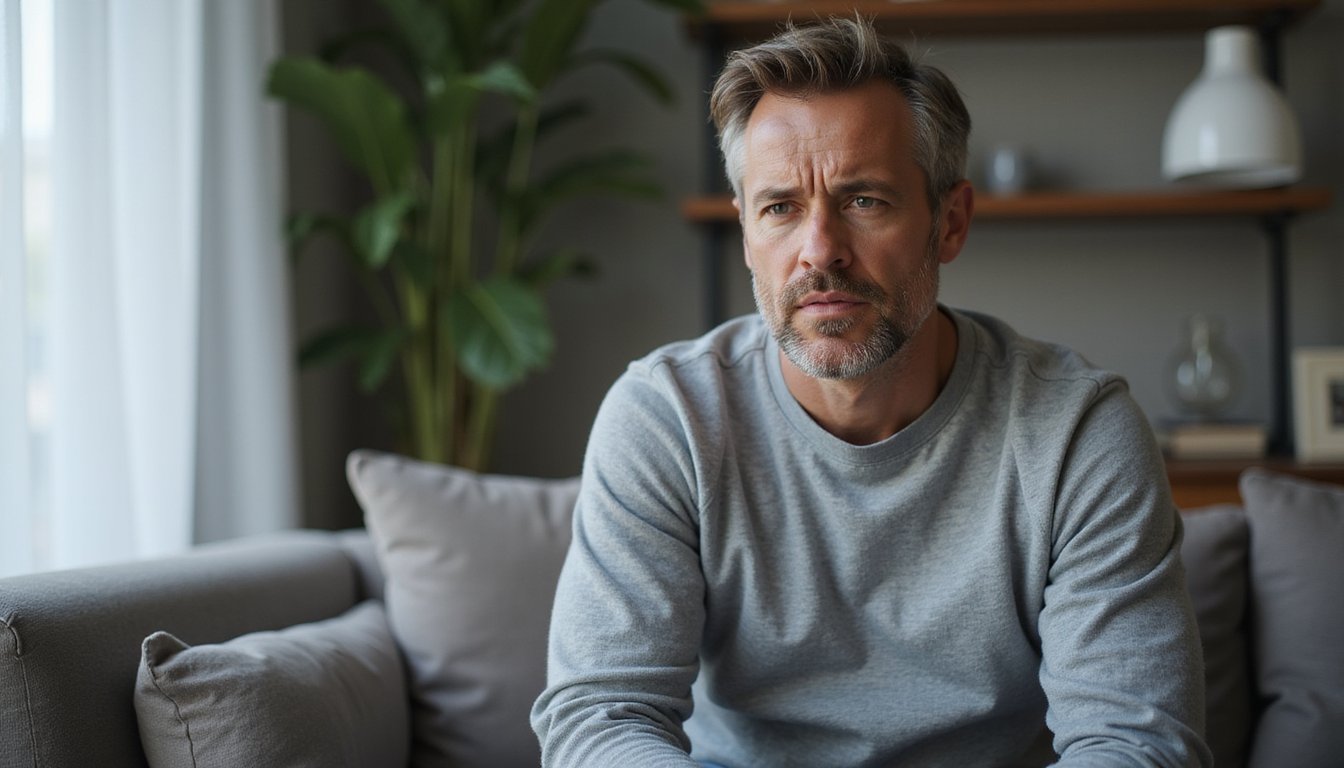
How quickly your body processes alcohol and restores its neurochemical balance largely determines how long post-drinking anxiety lasts. For many people, symptoms subside within a few hours once their body metabolizes the alcohol. However, if you’ve been drinking heavily or frequently, anxiety can persist for several days as your central nervous system recalibrates. when does anxiety go away after you stop drinking is a common question for those navigating sobriety. It’s essential to remember that everyone’s experience is unique, and factors such as overall health, hydration levels, and support systems can influence the timeline. Engaging in healthy coping mechanisms, like exercise or talking to a therapist, can also play a significant role in alleviating symptoms during this challenging transition.
Withdrawal symptoms typically peak between 24 and 72 hours after your last drink and resolve within four to five days. If you’ve had prolonged, heavy alcohol use, you may experience post-acute withdrawal syndrome, where anxiety lingers for weeks, months, or even longer despite sobriety.
Several factors influence your timeline: the amount you consume, drinking frequency, pre-existing mental health conditions, and individual differences in how you process alcohol. Recognizing your pattern helps you anticipate and manage symptoms effectively.
Who’s Most at Risk for Anxiety After Drinking?
While the timeline for post-drinking anxiety varies from person to person, certain groups face a considerably higher risk of experiencing these symptoms in the first place.
- Pre-existing anxiety disorders: If you already manage baseline anxiety, you’re likely to experience rebound effects that exceed your normal levels after alcohol wears off.
- Family history of mental health conditions: Genetic predisposition to anxiety makes you more prone to alcohol-induced symptoms, even at moderate consumption levels.
- Trauma or chronic stress exposure: Unresolved trauma leaves anxiety triggers active, and using alcohol as a coping mechanism creates a cycle of dependency and intensified symptoms.
- Social anxiety disorder: Roughly 20 percent of people with social anxiety also develop alcohol dependence, driven by reliance on drinking to navigate social situations.
Why Drinking to Manage Anxiety Makes It Worse
If you’re reaching for alcohol to quiet anxious thoughts, you’re falling into a self-medication trap that actually reinforces the cycle. Each time you drink to cope, your brain adapts by dysregulating its stress systems, particularly CRF activity in the amygdala, which means your baseline anxiety worsens when the alcohol wears off. Over time, this pattern builds tolerance and dependence, leaving you needing more alcohol for less relief while driving a vicious cycle that’s increasingly difficult to break.
The Self-Medication Trap
Because alcohol initially dulls anxious feelings, it’s easy to fall into a pattern of reaching for a drink whenever stress or worry strikes. This self-medication cycle carries real consequences, research shows it’s linked to a fivefold increase in your risk of developing alcohol dependence.
Here’s what the evidence reveals about self-medication:
- 20% of people with anxiety disorders drink specifically to manage their symptoms
- You’ll likely drink more overall, consuming greater quantities per day than non-self-medicators
- 12.6% of self-medicators develop a new alcohol use disorder
- 33% of persistent alcohol dependence cases are directly attributable to self-medication
If you have generalized anxiety disorder, you’re particularly vulnerable, this group shows the highest self-medication rate at 35.6%. The short-term relief you’re seeking actually deepens long-term dependence risk.
Worsening Anxiety Cycle
Even though that first drink seems to quiet your mind, the relief it offers is biochemically short-lived, and the aftermath actively deepens the anxiety you’re trying to escape. As alcohol metabolizes, your brain enters a rebound state: cortisol surges, your nervous system shifts into fight-or-flight, and feel-good neurotransmitters like GABA, dopamine, and serotonin sharply decline.
Over time, this cycle compounds. Chronic use depletes your brain’s natural calming chemicals while increasing sensitivity to excitatory glutamate. Your amygdala releases more corticotropin-releasing factor, a prostress peptide that drives withdrawal-related anxiety. Meanwhile, tolerance builds, you need more alcohol to achieve diminishing relief. Social regrets from intoxication add psychological fuel. Each round of drinking worsens the neurochemical imbalance, trapping you in a self-reinforcing loop where alcohol feels essential yet continuously escalates your anxiety.
Increasing Alcohol Dependence
What starts as a way to take the edge off can quietly shift into something your brain begins to depend on. When you drink to cope with anxiety, you’re training your nervous system to rely on alcohol for regulation, and that pattern carries serious consequences.
Research shows that using alcohol to manage anxiety creates distinct risks:
- You face a fivefold increased risk for developing alcohol dependence within three years
- Chronic use dysregulates your stress-response systems, heightening both anxiety and cravings
- Overlapping neurobiological vulnerabilities cause alcohol misuse and anxiety to mutually worsen each other
- Non-coping drinkers with anxiety disorders don’t show this same elevated dependence risk
The distinction matters: it’s not anxiety alone that drives dependence, it’s drinking because of anxiety. Recognizing this pattern is your first step toward breaking it.
When Post-Drinking Anxiety Signals Alcohol Dependence
While occasional post-drinking anxiety doesn’t necessarily point to a deeper problem, a recurring pattern where you drink to calm your nerves, only to feel more anxious afterward, can signal the early stages of alcohol dependence. Key warning signs include needing larger amounts to achieve the same calming effect, difficulty relaxing without alcohol, and experiencing withdrawal anxiety within hours to days after your last drink. Anxiety after drinking can create a vicious cycle, where the temporary relief from stress quickly turns into heightened worry and distress. It’s important to recognize these feelings and assess their impact on your daily life. Seeking support and exploring healthier coping mechanisms can help break this cycle and promote better emotional well-being.
If you’re drinking primarily to relieve anxiety rather than for social enjoyment, you may be reinforcing a self-medication cycle. Alcohol’s short-term anxiolytic effects mask long-term consequences, including worsening baseline anxiety and increased panic attack vulnerability. Pre-existing anxiety or depression heightens your susceptibility to this cycle. Recognizing these patterns early is critical, continued heavy drinking to escape alcohol-related distress drives tolerance, physiological dependence, and progressively severe withdrawal symptoms. anxiety symptoms after drinking can further complicate mental health challenges, making it harder to break free from the cycle of reliance on alcohol. Many individuals find that their mood deteriorates after drinking, leading to a vicious cycle where they consume more alcohol to cope with these heightened feelings of anxiety. Identifying and addressing these anxiety symptoms can be a crucial step toward reducing alcohol consumption and fostering healthier coping mechanisms.
How to Prevent Anxiety After Drinking Long-Term
If you’ve noticed a clear pattern between drinking and next-day anxiety, shifting from reactive coping to long-term prevention can break the cycle before it deepens. Sustainable change requires addressing both your drinking habits and your stress response simultaneously.
Consider building these evidence-based strategies into your routine:
- Reduce intake gradually, stay within low-risk guidelines (no more than 14 units weekly) to allow your brain chemistry to stabilize.
- Track your patterns, log drinks and anxiety episodes to identify specific triggers and thresholds.
- Replace alcohol-based coping, use exercise, mindfulness, or therapy to address root causes of stress.
- Sustain abstinence periods, take at least two weeks off to normalize neurotransmitter function and improve sleep quality.
You’re not just managing symptoms, you’re rewiring your response.
Relief Is Closer Than You Think
Anxiety and alcohol often go hand in hand, and without the right support in place, moving forward can feel like an impossible task without someone in your corner. At Florida Sober Living Homes, we offer a Sobriety Support program built to give you the foundation you need to heal and move forward with confidence. Call (239) 977-9241 today and let us be the support system you have been looking for
Frequently Asked Questions
Can Certain Types of Alcohol Cause More Anxiety Than Others?
Yes, certain types of alcohol can influence your anxiety levels differently. Research shows spirits are more likely to trigger restlessness and negative emotions, while wine and beer tend to promote relaxation. However, it’s important to know that ethanol affects your brain the same way regardless of the drink. Darker spirits like bourbon contain more congeners, which can worsen hangover symptoms, including next-day anxiety, compared to clearer options like vodka.
Does Hangover Anxiety Feel Different From a Regular Anxiety Disorder?
Yes, hangover anxiety does feel different in key ways. You’ll notice it peaks as alcohol leaves your system, often bringing guilt, shame, or dread about the night before, feelings that aren’t typical of standalone anxiety disorders. While symptoms like racing heart, shakiness, and restlessness overlap, hangxiety stems directly from neurotransmitter drops in GABA, dopamine, and serotonin. It’s also temporary, usually resolving within 24, 48 hours, unlike persistent anxiety disorders.
Can Supplements or Vitamins Help Reduce Anxiety After Drinking Alcohol?
Yes, certain supplements can help. B vitamins, especially B1, B6, and B12, support neurotransmitter production and brain function that alcohol depletes. Magnesium helps regulate serotonin and eases muscle tension tied to anxiety. Vitamin C protects your liver from oxidative stress and aids detoxification. L-cysteine at 600mg has shown promise for reducing stress and anxiety after drinking. You’ll get the best results by replenishing what alcohol specifically strips from your body.
Is It Normal to Have Panic Attacks the Day After Drinking?
Yes, it’s completely normal to experience panic attacks the day after drinking. As alcohol leaves your system, your brain’s GABA levels drop while stress hormones surge, creating a rebound effect that can trigger intense anxiety. Typically peaking 12, 24 hours post-drinking, you may notice palpitations, sweating, and overwhelming nervousness. However, if you’re experiencing frequent alcohol-related panic attacks, it could signal an underlying anxiety disorder worth discussing with a healthcare provider.
Should You Exercise to Relieve Anxiety After a Night of Drinking?
Light exercise can help relieve anxiety after drinking, but you’ll want to approach it carefully. Research shows that even brief aerobic activity, like a 12-minute walk or gentle cycling, can reduce anxiety and improve mood by modulating dopamine and endocannabinoid pathways. However, exercising while your body’s still processing alcohol can impair performance and raise injury risk. Start gently, stay hydrated, and listen to your body’s signals before increasing intensity.