Anxiety can strike while you’re still drinking because alcohol hijacks your brain’s GABA receptors, artificially amplifying their calming effect, and your brain compensates in real time by dialing up glutamate, the nervous system’s primary excitatory chemical. This rebound hyperexcitation triggers racing thoughts, chest tightness, and a surge of dread before you’ve even put your glass down. Understanding immediate anxiety after alcohol and the full neurochemical cascade, from dopamine crashes to cortisol spikes, reveals why it intensifies and how long you can expect it to last. learning how to stop anxiety after drinking alcohol involves adopting strategies that can help mitigate these neurotransmitter fluctuations. Techniques such as deep breathing, hydration, and adequate rest can play a crucial role in restoring balance. Additionally, seeking support from friends or professionals can provide a reassuring buffer against the distressing feelings often experienced in the aftermath of drinking.
What Anxiety After Alcohol Really Feels Like
When anxiety strikes after drinking, it doesn’t always wait until the next morning. You might notice immediate anxiety after alcohol, a racing heart, trembling hands, and a surge of dread that feels disproportionate to your situation. Your alcohol nervous system response triggers rapid shifts in GABA and glutamate activity, creating a rebound effect that leaves you hyper-alert and agitated. These feelings can be particularly pronounced for those who may already struggle with anxiety symptoms alcohol use, as the combination can amplify the body’s stress response. Understanding this interaction is crucial for managing both anxiety and alcohol consumption effectively. Seeking help from a professional might be necessary to explore healthier coping mechanisms.
You may experience alcohol induced panic symptoms: chest tightness, dizziness, intrusive thoughts, and waves of intense fear lasting five to thirty minutes. Sweating, nausea, and restlessness compound the distress. Your mind races while your body signals danger that isn’t there. These reactions aren’t imagined, they’re neurochemical. Understanding that your brain’s stress-response system is misfiring helps contextualize the experience without minimizing what you’re feeling. Because symptoms can escalate unpredictably, seeking medical guidance is important even when withdrawal feels mild.
How to Calm Anxiety After Alcohol Right Now
When anxiety hits shortly after drinking, your brain’s neurochemistry is actively shifting, but you can intervene with targeted strategies right now. By rehydrating, practicing deep breathing, and grounding your nervous system, you’ll counteract the GABA-glutamate imbalance that’s driving your distress. Replenishing lost nutrients simultaneously supports your body’s ability to stabilize mood and restore calm. Addressing this anxiety promptly matters because persistent anxiety symptoms in abstaining patients can double the risk of relapse, making early intervention essential for long-term recovery.
Rehydrate And Breathe Deeply
Simultaneously, engage in deep breathing to activate your parasympathetic nervous system. Inhale for four counts, hold for four, then exhale for six. This counters glutamate overactivity and restores GABA-like calm that your brain lost during alcohol’s neurochemical disruption. Sip room-temperature water between breath cycles, avoiding caffeine entirely. Repeat every 30 minutes until your heart rate stabilizes and the jitteriness subsides. This technique helps manage the fight or flight response that stress hormones trigger during anxiety, which can otherwise sustain symptoms like sweating, trembling, and an increased heart rate.
Ground Your Nervous System
Once your breathing and hydration are underway, the next step is to anchor your nervous system through deliberate sensory engagement. If you’re experiencing anxiety right after drinking alcohol, your sympathetic system is likely in overdrive. Use the 5-4-3-2-1 technique, identify five things you see, four you touch, three you hear, two you smell, one you taste. This redirects neural activity from threat-detection circuits to present-moment processing.
For those with alcohol sensitivity anxiety, cold exposure offers rapid relief. Press an ice cube against the back of your neck to activate your parasympathetic response and interrupt the fight-or-flight cascade. Pair this with controlled breathing patterns like box breathing to sustain nervous system regulation. These methods work because they communicate directly with your body’s stress architecture, bypassing cognitive rumination entirely.
Replenish Lost Nutrients
Because alcohol rapidly depletes critical nutrients that your brain needs to regulate stress and mood, replenishing them isn’t optional, it’s neurochemically urgent. The GABA glutamate imbalance alcohol triggers accelerate nutrient loss, intensifying early hangxiety before you’ve even stopped drinking.
Target these deficits immediately:
| Nutrient | Why It Matters Now | Fast Source |
|---|---|---|
| Magnesium glycinate | Calms glutamate overactivity, reduces anxiety | Almonds, spinach, and a supplement |
| B-complex (B1, B6, B12) | Restores neurotransmitter production, stabilizes mood | Whole grains, leafy greens |
| Electrolytes + water | Reverses dehydration-driven nervous system activation | Broth, banana, avocado |
Don’t wait until morning. Your neurons are already operating in deficit. A magnesium-rich snack paired with electrolyte-containing fluids directly counteracts the neurochemical cascade driving your anxiety right now.
Why Alcohol Wrecks Your Brain’s Calm-Down System
When alcohol enters your brain, it targets GABA A receptors, the central nervous system’s primary brake pedal. It binds to allosteric sites, amplifying GABA’s inhibitory chloride flow without touching the primary receptor site. You feel relaxed, sedated, and less anxious. That’s the hook.
But your brain fights back fast. With repeated exposure, even within a single session, neurons recalibrate. GABA production drops, receptors lose sensitivity, and inhibitory neurotransmitters retract earlier from the synapse, cutting calm-down signaling short. Meanwhile, glutamate activity surges to compensate.
This rebound hyperexcitation doesn’t wait for morning. It can strike while you’re still drinking, producing anxiety, irritability, and autonomic hyperactivity. Your brain’s braking system isn’t just impaired, it’s actively overwhelmed by excitatory signaling. That’s why the anxiety feels so immediate and so disproportionate to the moment.
The Dopamine Crash Behind Post-Drinking Anxiety
When you drink, alcohol triggers a rapid dopamine surge in your brain’s reward center, producing that familiar wave of pleasure and relaxation. However, your brain quickly compensates by pulling dopamine levels down, often overshooting into a deficit state that strips away the euphoria and replaces it with anxiety, restlessness, and low mood. This crash can hit while you’re still drinking or shortly after, meaning the very chemical that made you feel good moments ago is now driving your unease.
Dopamine’s Sharp Decline
Although alcohol initially floods the nucleus accumbens with dopamine, creating that familiar rush of reward and pleasure, the surge doesn’t last. Once alcohol’s effects begin wearing off, your dopamine levels drop sharply below baseline, leaving you in a deficit state. This crash triggers fatigue, mood instability, and a hollow sense of unease that fuels immediate anxiety.
Your brain compounds the problem through augmented dopamine reuptake, actively pulling dopamine from synapses faster than normal. Meanwhile, heightened kappa opioid receptor sensitivity further suppresses whatever dopamine remains available. If you’ve been drinking regularly, your receptors have already desensitized from repeated exposure, intensifying each subsequent crash.
This isn’t a character flaw, it’s neurochemistry correcting an artificial spike. Your reward system is recalibrating, and that recalibration registers as anxiety.
Euphoria Turns To Anxiety
Dopamine’s crash doesn’t happen in isolation, it destabilizes an entire chain of neurochemical events that transforms alcohol’s initial euphoria into acute anxiety. As your dopamine plummets, your brain’s stress-response system activates compensatory mechanisms. Cortisol surges, triggering a fight-or-flight response that mimics a full-blown anxiety disorder. You’ll notice your heart racing, restlessness building, and a creeping nervousness that feels disproportionate to your circumstances.
This shift occurs because alcohol simultaneously disrupts your GABA-glutamate balance. The sedation you felt minutes ago reverses as your central nervous system rebounds toward hyperexcitability. Your brain, stripped of its artificially enhanced calm, now overcompensates with heightened arousal. If you’re susceptible, this rebound can escalate into panic attacks. The euphoria didn’t just fade, it actively converted into the anxiety you’re now experiencing.
How Cortisol Turns a Hangover Into a Panic Attack
Your body’s stress alarm system, the hypothalamic-pituitary-adrenal (HPA) axis, doesn’t shut off just because you’ve stopped drinking. Alcohol stimulates cortisol production, and those elevated levels persist 24, 48 hours, disrupting your natural hormonal rhythm. This sustained cortisol surge transforms ordinary hangover discomfort into something far more threatening.
Your stress system stays activated long after your last drink, turning routine hangover symptoms into a full-blown threat response.
Here’s how the escalation unfolds:
- Cortisol spikes heighten your brain’s threat perception, making neutral sensations feel dangerous.
- Proinflammatory cytokines rise alongside cortisol, creating a neurobiological environment primed for panic.
- The eventual cortisol crash leaves you physically drained and mentally vulnerable, mimicking post-crisis exhaustion.
If you’re prone to anxiety, this cycle hits harder. Frequent hangovers cause progressive HPA dysregulation, meaning each episode intensifies the next. Your stress system doesn’t just recover, it recalibrates toward heightened reactivity.
Why Your Heart Races and Your Body Feels Wrong
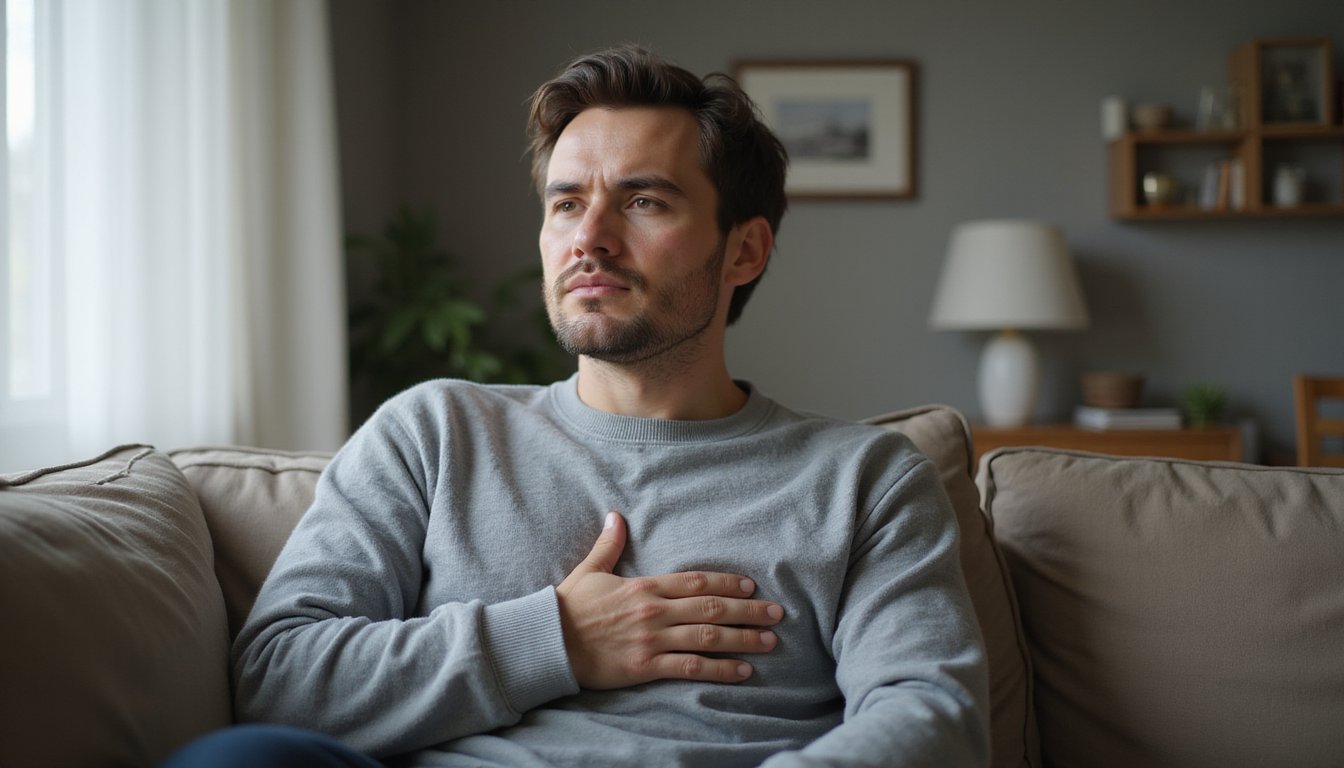
When alcohol’s depressant grip loosens, your brain doesn’t gently return to baseline, it overshoots. Your central nervous system, suppressed by alcohol’s flood of GABA, now compensates with hyperactivation. The result hits your body hard: elevated heart rate, sweating, trembling, and a restlessness that feels indistinguishable from a panic attack.
Your body simultaneously ramps up cortisol and other stress hormones as it metabolizes alcohol, compounding the cardiovascular strain. Dehydration pulls electrolytes out of balance, intensifying every uncomfortable sensation. Meanwhile, dopamine crashes from its initial surge, stripping away any lingering calm.
These overlapping physical symptoms create a feedback loop, your racing heart signals danger to your brain, which produces more stress hormones, which accelerate your heart further. You’re not imagining it. Your body is genuinely caught in a neurochemical overcorrection.
How Long Does Anxiety After Alcohol Last?
The timeline for anxiety after alcohol depends on where you fall on the drinking spectrum. Your brain’s neurochemical rebound doesn’t follow a single clock, it follows your consumption pattern. is it normal to have anxiety after quitting drinking, especially when your body is adjusting to the absence of alcohol? Many people experience heightened anxiety as a result of withdrawal symptoms, and it can take time for your mind and body to stabilize. Seeking support from professionals or support groups can be beneficial during this transitional phase.
- Casual drinking: Mild anxiety fades within hours as GABA and glutamate rebalance, typically resolving alongside hangover symptoms.
- Binge drinking: Rapid withdrawal triggers severe anxiety persisting for days, with peak neurological disturbance hitting 24, 72 hours post-consumption.
- Chronic heavy use: Post-acute withdrawal syndrome can sustain anxiety for months, reflecting big neuroadaptive changes your brain made to accommodate constant alcohol exposure.
You’ll notice meaningful improvement within two weeks of reduced intake as your brain recalibrates its stress-response chemistry. If symptoms persist beyond five days, you’re likely experiencing withdrawal that warrants professional monitoring.
Who Gets Hit With Hangxiety the Hardest?
Not everyone walks away from a night of drinking with the same emotional fallout. Research shows women experience stronger alcohol-driven cortisol spikes, making them more susceptible to hangxiety. If you’re living with a diagnosed anxiety disorder, you’re facing compounded risk, your baseline neurochemistry already skews toward heightened stress reactivity.
Personality matters too. Extreme shyness, social anxiety, and avoidant coping styles amplify your vulnerability. If you tend toward repetitive negative thinking, your post-drinking emotional distress intensifies considerably.
Behavioral patterns further sharpen the edge. Acting against your values while intoxicated triggers shame-driven anxiety. Using alcohol to manage existing depression creates a destructive feedback loop.
There’s a protective side, though. Strong emotional resilience, solid social support, and effective regulation skills genuinely buffer hangxiety’s impact, proof that psychosocial factors shape this experience as much as biology does.
Relief Is Closer Than You Think
Anxiety and alcohol often go hand in hand, and without the right support in place, moving forward can feel like an impossible task without someone in your corner. At Florida Sober Living Homes, we offer a Sobriety Support program built to give you the foundation you need to heal and move forward with confidence. Call (239) 977-9241 today and let us be the support system you have been looking for
Frequently Asked Questions
Can Anxiety Start While You Are Still Actively Drinking Alcohol?
Yes, anxiety can absolutely start while you’re still actively drinking. As you consume alcohol, your brain’s GABA levels initially rise, creating calm, but with continued intake, they deplete rapidly, triggering rebound excitability. Simultaneously, your cortisol surges and dopamine dips mid-session, producing panic-like symptoms even before you’ve stopped drinking. If you’re prone to anxiety or drinking heavily, this neurochemical whiplash can hit especially fast, creating a distressing cycle during active consumption.
Does Mixing Different Types of Alcohol Make Hangxiety Worse?
There’s no strong evidence that mixing drink types directly worsens hangxiety. However, mixing often leads you to consume more alcohol overall, which intensifies next-day anxiety. Darker liquors contain higher levels of congeners, like methanol, that worsen hangover symptoms, including anxiety. If you’re mixing drinks that include bourbon, red wine, or brandy, you’re increasing your congener load. The real driver isn’t the mixing itself, it’s your total alcohol intake and congener exposure.
Can Eating Before Drinking Prevent Immediate Anxiety From Occurring?
Eating before drinking can reduce your risk, but it won’t fully prevent immediate anxiety. When you consume protein-rich foods, healthy fats, and complex carbs beforehand, you’re slowing alcohol absorption and stabilizing your blood sugar, both factors that dampen rapid neurochemical shifts triggering anxiety. However, your brain’s GABA-glutamate balance still responds to alcohol regardless. If you’re particularly sensitive, food alone isn’t enough to override your nervous system’s reaction to alcohol’s effects.
Does Hangxiety Get Worse as You Age Over Time?
Yes, hangxiety can worsen as you age, though the picture’s complex. Your body composition shifts over time, you lose muscle and gain fat, concentrating alcohol in your blood. Your liver metabolizes alcohol more slowly, and you dehydrate faster, amplifying anxiety symptoms. If you started drinking heavily when young, you’ve likely triggered lasting brain changes that emerge in middle age. However, reduced drinking frequency also lowers your tolerance, making episodes feel increasingly intense.
Can Supplements or Vitamins Reduce Alcohol-Related Anxiety Symptoms Effectively?
Yes, certain supplements can help reduce alcohol-related anxiety. B-vitamins support neurotransmitter function that alcohol depletes, while magnesium eases muscle tension and calms your nervous system. L-Cysteine targets acetaldehyde, the toxic metabolite behind many aftereffects, and at 600 mg, it’s been shown to lower stress and anxiety. Vitamin C combats oxidative stress and supports detoxification. You’ll get the best results when you combine these supplements with proper hydration and adequate rest.