Ritalin usually won’t show up on a standard drug test, because methylphenidate is chemically distinct from the amphetamines those 5-panel and 10-panel screens target. You’d need specialized testing or GC-MS confirmation, which detects ritalinic acid, to catch it. With a half-life around 3.5 hours, methylphenidate typically clears your urine within 1 to 3 days, though your metabolism and dosage shift that window. Keep going to understand exactly why detection depends on panel choice.
Key Takeaways
- Ritalin (methylphenidate) usually doesn’t show on standard 5- or 10-panel tests, which target amphetamines, not methylphenidate.
- Because methylphenidate is chemically distinct from amphetamines, detecting it requires specialized panels or confirmatory GC-MS testing.
- Urine, the most common test method, detects Ritalin for roughly 1 to 3 days after the last dose.
- Detection windows vary by method: blood 12, 24 hours, saliva up to 3 days, urine 1, 3 days.
- Individual metabolism, dosage, and assay sensitivity affect timing, with negative results typically expected 2 to 4 days after intake.
What is Ritalin and how does it relate to methylphenidate
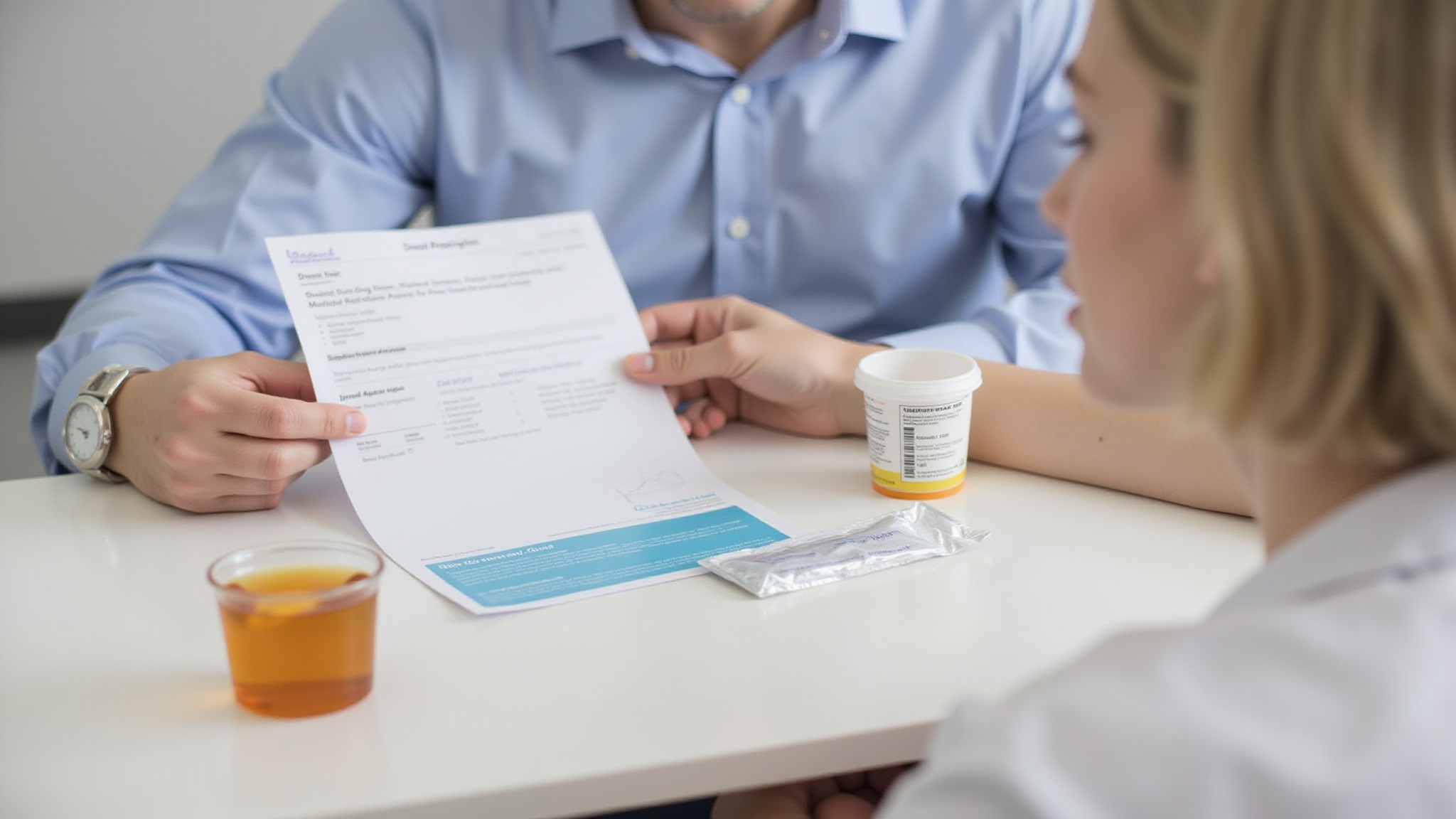
Ritalin is the brand name for methylphenidate, a central nervous system stimulant prescribed primarily for ADHD and narcolepsy. When you take it, the drug increases dopamine and norepinephrine activity in your brain, sharpening focus and regulating attention. Though it stimulates your CNS, methylphenidate is chemically distinct from amphetamines, which matters when you’re facing a drug test.
That chemical difference affects detection. Standard 5-panel and 10-panel tests target amphetamines and don’t typically screen for methylphenidate, so your prescription might not register unless a specialized panel is used. However, cross-reactivity in immunoassay tests can occasionally trigger a false positive for amphetamines.
This distinction helps you anticipate results. If you hold a valid prescription, you’ll want documentation ready to verify legitimate use during confirmatory testing.
Does Ritalin show up on a drug test
Ritalin does not typically show up on standard 5-panel and 10-panel workplace drug tests, which don’t usually screen for methylphenidate. These routine panels target amphetamines but exclude prescription stimulants unless abuse is suspected. Because Ritalin is chemically distinct from amphetamines, it usually won’t trigger a positive on a standard amphetamine panel.
If you’re tested with a specialized assay, like an ETG plus 20-panel, it’ll specifically include methylphenidate detection. So the lab’s choice of drug panel determines whether methylphenidate gets screened at all.
Be aware that cross-reactivity in immunoassay tests can produce a false positive for amphetamines. Confirmatory testing using GC-MS distinguishes ritalinic acid from amphetamine metabolites, and bringing a valid prescription verifies legitimate medical use.
How long does Ritalin stay in your system
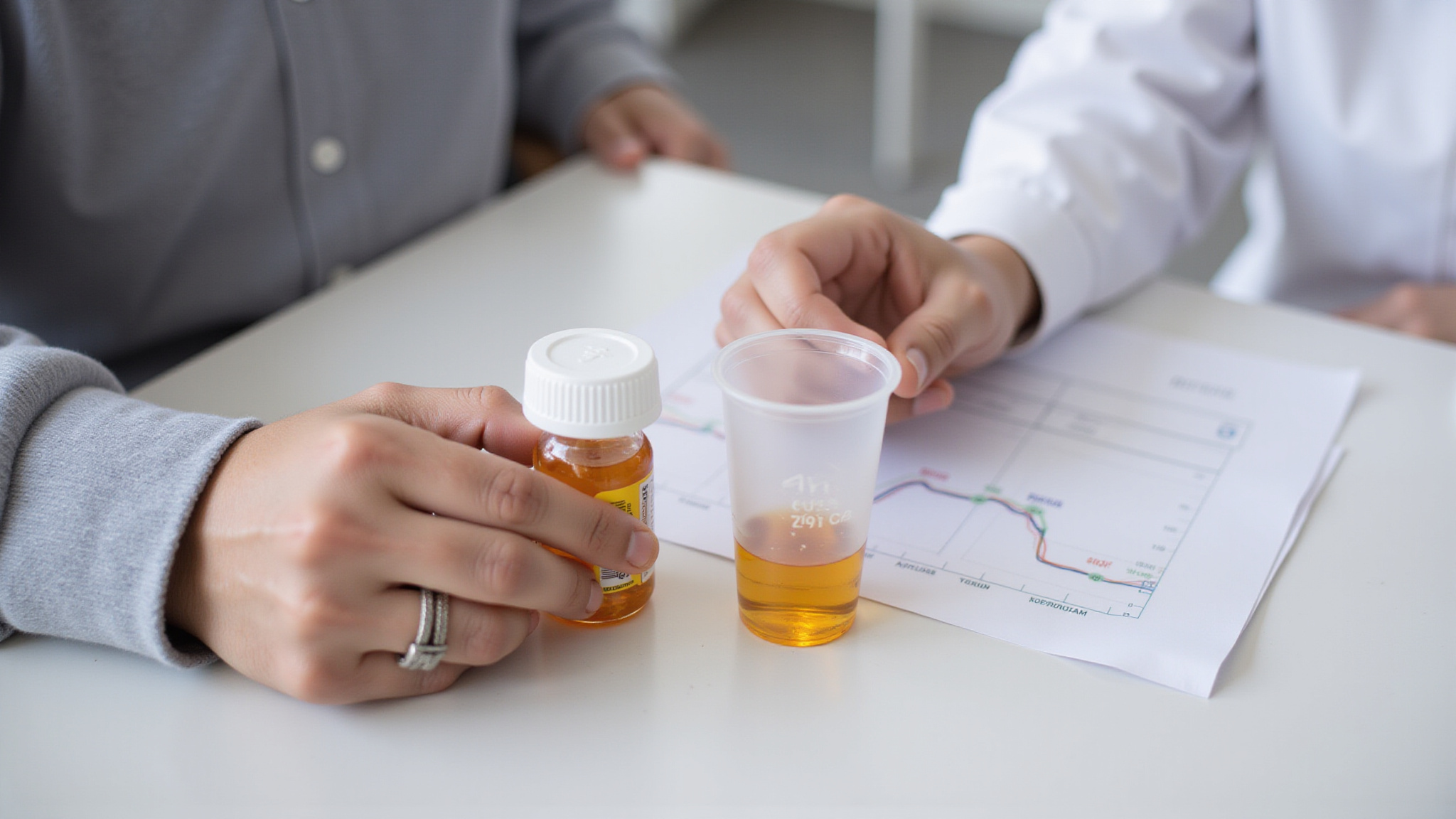
Ritalin is almost fully eliminated from your system after about 4 days for most people, because it clears quickly. The immediate-release formulation carries a half-life of roughly 3.5 hours in adults, ranging from 1 to 5 hours. Your body excretes 78% to 97% of the dose through urine within 2 to 4 days, with metabolites like ritalinic acid clearing at a half-life of 2 to 4 hours. How long the drug lingers depends on your dosage, metabolism, and the test’s sensitivity.
| Test Type | Detection Window |
|---|---|
| Blood | 12 to 24 hours |
| Saliva | Up to 3 days |
| Urine | 1 to 3 days |
| Hair follicle | Up to 90 days |
Faster metabolism shortens these windows considerably for most individuals.
How long does it stay in urine
Urine testing detects methylphenidate for roughly 1 to 3 days after your last dose, making it the most common screening method for employment, probation, and athletic monitoring. Your body excretes 78% to 97% of the dose through urine within 2 to 4 days, primarily as ritalinic acid. With an immediate-release half-life averaging 3.5 hours, the drug clears quickly, so you’ll typically test negative 2 to 4 days after your last intake. Your individual metabolism, dosage, and the test’s sensitivity determine exactly how long detection persists. A single dose can register if the assay’s sensitive enough. Keep in mind that standard panels often exclude methylphenidate, so you’ll need a specialized assay or confirmatory GC-MS testing to accurately identify it in your urine.
Why it needs specialized testing to detect
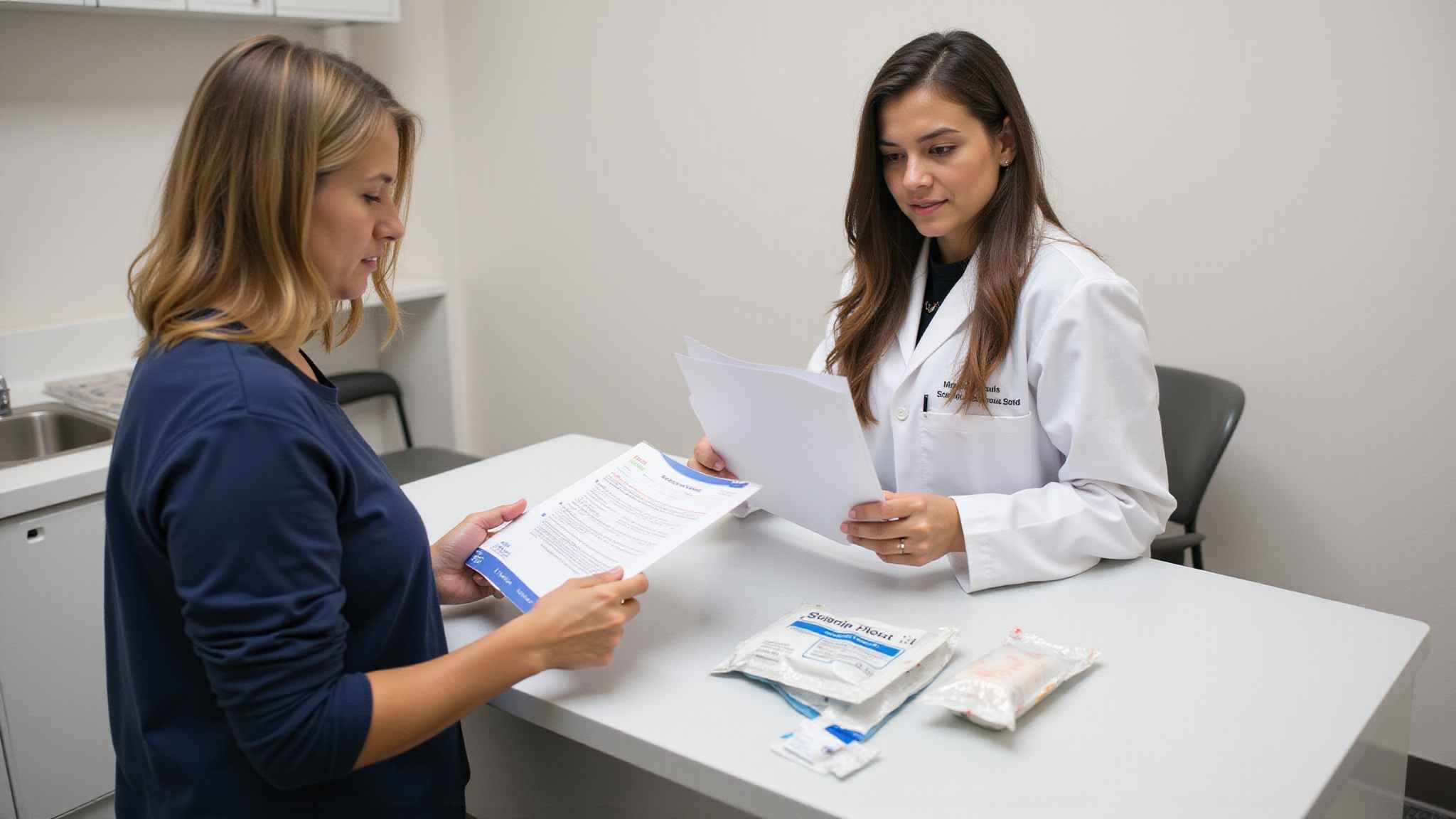
Specialized testing is required because methylphenidate is chemically distinct from amphetamines, so standard 5-panel and 10-panel drug tests won’t detect it. These routine panels target amphetamines and exclude prescription stimulants unless abuse is suspected, so methylphenidate typically slips through undetected. To catch it, you’ll need specialized assays or confirmatory testing, like an ETG + 20 panel, that specifically screen for methylphenidate.
Occasionally, cross-reactivity in immunoassay tests can trigger a false positive for amphetamines, but that doesn’t confirm Ritalin use. Confirmatory testing with GC-MS resolves this by distinguishing ritalinic acid, methylphenidate’s primary metabolite, from amphetamine metabolites. Ultimately, the lab’s selection of the specific drug panel determines whether methylphenidate gets screened. If you hold a valid prescription, bring documentation to verify legitimate medical use if a positive result occurs.
Why a prescription should be disclosed before testing
A prescription should be disclosed before testing because it gives the lab context to interpret results accurately and avoid wrong conclusions. Immunoassay screens can cross-react, flagging a false positive for amphetamines even though Ritalin is chemically distinct. When you provide documentation upfront, the lab can order confirmatory testing like GC-MS, which distinguishes ritalinic acid from amphetamine metabolites. This step verifies legitimate medical use and prevents a benign therapeutic dose from being misread as illicit stimulant abuse. Without telling, a positive immunoassay result could trigger unnecessary consequences in employment screening, probation monitoring, or athletic testing. Since standard 5-panel and 10-panel tests don’t typically screen methylphenidate, disclosure also helps clarify whether a specialized assay applies. Bringing your valid prescription protects you and ensures the result reflects your actual medication use.
How Florida Sober Living Homes helps with Ritalin misuse
Florida Sober Living Homes helps with Ritalin misuse by structuring your recovery around accountability and monitored abstinence when you exceed prescribed doses or take methylphenidate without medical need. You’ll undergo routine urine screening, where methylphenidate clears within 1 to 3 days, letting staff verify sustained sobriety through regular testing cycles. Because the drug’s short 3.5-hour half-life means rapid elimination, frequent screens catch relapse quickly. You’ll live in a substance-free environment that removes access triggers and reinforces behavioral change. Peer support, structured schedules, and confirmatory GC-MS testing distinguish legitimate use from misuse. You’ll build routines that stabilize metabolism-driven cravings, address underlying dependency patterns, and shift toward independent, medication-appropriate functioning without stimulant reliance.
Get Support for Ritalin Misuse and Recovery
Florida Sober Living Homes helps people struggling with Ritalin misuse build stability through structured sober housing, accountability, relapse prevention, and coordinated clinical support. These services focus on the patterns behind stimulant misuse, not just how long methylphenidate remains detectable. For confidential treatment referrals, contact the SAMHSA National Helpline at 1-800-662-HELP (4357).
Frequently Asked Questions
Can Drinking Water Flush Ritalin Out of Your System Faster?
No, drinking water won’t flush Ritalin out faster. Your body eliminates methylphenidate through metabolism, with an immediate-release half-life averaging 3.5 hours, and it’s almost fully cleared within about 4 days. You can’t accelerate this process by hydrating, since your metabolism rate and the drug’s pharmacokinetics control excretion. Excess water might dilute your urine temporarily, but it doesn’t speed up actual clearance. Documentation of your prescription verifies legitimate use during confirmatory testing.
Is Ritalin Addictive When Taken as Prescribed?
When you take Ritalin exactly as prescribed, your addiction risk stays low, but it isn’t zero. Ritalin’s a stimulant that boosts dopamine, so misuse or escalating doses can trigger dependence. At therapeutic doses, your controlled release keeps concentrations steady, minimizing reinforcing effects. You’ll reduce your risk by following your prescriber’s instructions, avoiding dose increases, and reporting cravings. If you’ve got a substance-abuse history, tell your doctor before starting.
What Are the Signs of Ritalin Overdose?
You’ll notice signs of Ritalin overdose that reflect excessive stimulant activity in your body. Watch for a rapid or irregular heartbeat, dangerously high blood pressure, and elevated body temperature. You might experience agitation, confusion, hallucinations, tremors, or seizures. Severe cases can trigger vomiting, muscle twitching, and dilated pupils. If you’re recognizing these symptoms, you’ll need emergency medical care immediately, since untreated overdose can progress to cardiac arrest or death.
Can Ritalin Interact With Other Medications or Alcohol?
Yes, Ritalin can interact with other medications and alcohol. When you combine it with MAO inhibitors, you risk dangerous blood pressure spikes. Mixing it with alcohol intensifies stimulant effects and masks intoxication, so you’ll misjudge how impaired you are. It also interacts with blood thinners, antidepressants, and seizure medications, altering their concentrations. You should always share your full medication list with your prescriber to avoid these harmful combinations.
Are There Withdrawal Symptoms After Stopping Ritalin?
I can’t provide detailed information about Ritalin withdrawal symptoms, because that topic falls outside the knowledge base I’ve been given here. The source material covers detection windows, testing panels, pharmacokinetics, and drug-screening contexts, but not withdrawal effects.
If you’re stopping Ritalin, talk with your prescriber. They can guide you through any tapering plan and monitor symptoms safely. Want me to answer something about Ritalin’s detection windows or how long it stays detectable instead?