You crave alcohol on your period because sharp drops in estrogen and progesterone disrupt your brain’s reward and stress-regulation systems. As progesterone falls in the late luteal phase, GABA activity declines, creating a neurochemical deficit that alcohol temporarily fills. Simultaneously, serotonin depletion intensifies negative mood states, driving the urge to self-medicate. These hormonal shifts also overactivate your HPA stress axis, compounding cravings. Understanding exactly when and why these urges peak can help you manage them effectively. Many women report unusual cravings during pregnancy, leading to questions about their origins. For instance, asking why do I crave the smell of rubbing alcohol while pregnant highlights a common yet intriguing phenomenon. This craving may stem from a heightened sense of smell and altered taste preferences, which can often be influenced by hormonal changes.
Why Your Hormones Trigger Alcohol Cravings on Your Period
Your progesterone-to-estradiol ratio plays a critical role in moderating drinking behavior. Research shows you’re less likely to binge drink when this ratio is higher during the late luteal phase. However, as both hormones decline into menses, hormonal alcohol cravings peak. Women with lower baseline emotional distress experience particularly pronounced cycle-driven craving intensity during these vulnerable phases compared to the follicular phase. Since negative mood states are common drinking triggers for women with alcohol use disorder, the increases in negative affect during mid-late luteal phase and menses may further intensify these hormonally driven cravings.
How Rising Estrogen Fuels the Urge to Drink
As your estrogen levels climb during the follicular phase, your brain’s reward system becomes measurably more responsive to alcohol’s effects. Estradiol heightens the firing rate of dopamine neurons in the ventral tegmental area, amplifying how pleasurable a drink feels and intensifying your urge to reach for one. This hormonal shift means your cravings aren’t a lack of willpower, they’re a direct neurobiological response to rising estrogen, sensitizing your brain’s reward circuitry. Adding to this complexity, alcoholic beverages themselves contain phytoestrogens from plant sources that can exert additional estrogen-like effects in the body, potentially compounding the hormonal signals already driving your cravings.
Estradiol Boosts Reward Sensitivity
That intensified signal doesn’t stay neutral, it drives alcohol cravings by making drinking feel disproportionately satisfying. Research shows rapid estradiol rises increase alcohol’s acute rewarding and disinhibiting effects, raising your vulnerability to overconsumption. Your reward system fundamentally recalibrates during high-estrogen stages, lowering the threshold for seeking alcohol’s pleasurable effects. In a study of naturally cycling female mice, neurons from high-estrogen phases showed twice the firing activity in response to alcohol compared to low-estrogen phases. Understanding this hormonal mechanism helps explain why certain cycle phases make resisting a drink feel unexpectedly difficult.
Follicular Phase Craving Peaks
The timing of that reward recalibration maps directly onto a specific window in your cycle, the late follicular phase, roughly days 11, 14, when estradiol surges to its highest point just before ovulation. This consumption risk elevation isn’t abstract, it’s measurable.
During this phase, your brain responds to alcohol cues with heightened attentional bias, whether you’ve been drinking or not. The interplay of estrogen, progesterone, and alcohol dynamics shifts dramatically:
- Attentional bias to alcohol cues peaks during the late follicular phase, amplifying menstrual cycle alcohol cravings.
- Binge drinking odds rise considerably compared to the late luteal phase (OR 1.523).
- Ovulatory-phase binge probability climbs even higher (OR 1.683), driven by estradiol’s peak.
You’re not imagining the intensified pull, your hormones are priming it.
When Cravings Hit Hardest in Your Cycle
Not every phase of your menstrual cycle triggers alcohol cravings with equal intensity, research shows distinct peaks that align with specific hormonal shifts. If you’re wondering why I crave alcohol on my period, the answer lies in two critical windows: the midfollicular and midluteal phases. During these times, fluctuations in hormones like estrogen and progesterone can influence our brain’s reward system, leading to increased desire for substances like alcohol. It’s not unusual to find yourself asking why do I crave alcohol sometimes if these hormonal changes are triggering such responses. Understanding these patterns can help in managing cravings and making informed choices during your cycle.
During the midfollicular phase, rising estradiol drives measurable craving increases. Cravings then dip during the late follicular and periovulatory phases before surging again midluteal, when progesterone climbs, and emotional distress intensifies. Your serotonin, dopamine, hormones, and cravings interact most powerfully during these windows, amplifying period mood alcohol urges.
Women with lower baseline depression experience especially sharp midluteal craving spikes. Understanding these hormonal patterns helps you anticipate vulnerability and respond proactively rather than reactively.
Why PMS and PMDD Make Alcohol Cravings Worse
When PMS or PMDD enters the picture, the hormonal drops that naturally occur before menstruation don’t just nudge your cravings, they intensify them considerably. Sharp declines in estrogen and progesterone disrupt your brain’s reward and stress-regulation systems, making alcohol feel like a solution to mounting discomfort.
PMS and PMDD don’t just nudge cravings, they hijack your brain’s reward system, making alcohol feel like the only relief.
Three key mechanisms drive this escalation:
- GABA suppression, PMS reduces your brain’s calming GABA activity, creating a deficit that alcohol temporarily fills.
- Serotonin depletion, PMDD-related serotonin drops mirror withdrawal-like states, amplifying your urge to drink.
- HPA axis overactivation, Your stress response system goes into overdrive, prompting self-medication through alcohol.
Research shows PMDD treatment alone can reduce alcohol cravings by 35, 50% in those with co-occurring conditions. Addressing your hormonal health directly impacts craving severity.
How Alcohol Makes Your Period Symptoms Worse
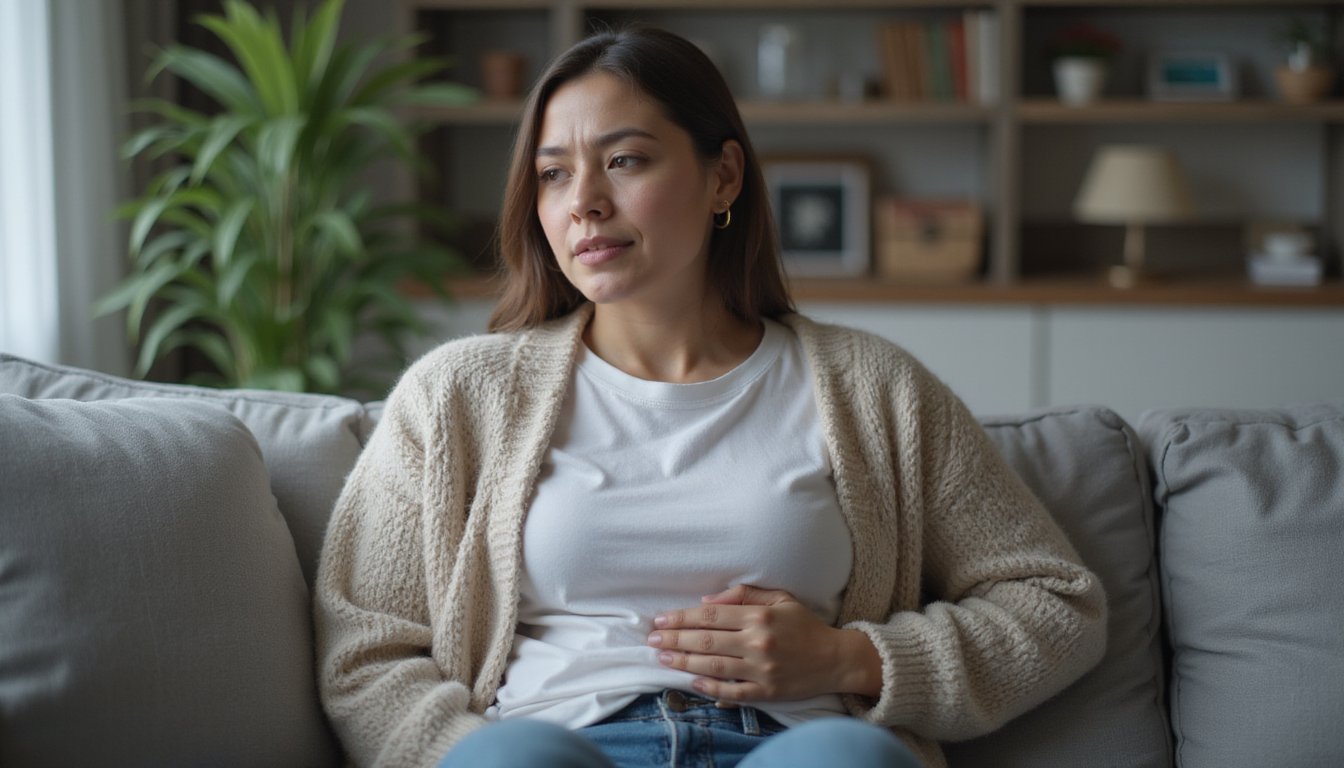
Although reaching for a drink might seem like a reasonable way to ease period discomfort, alcohol actively worsens nearly every menstrual symptom you’re trying to escape. It raises estrogen levels, stimulating endometrial tissue growth and leading to heavier bleeding. It disrupts prostaglandin balance, intensifying uterine contractions and cramping. As a diuretic, it dehydrates you, compounding menstrual pain while paradoxically increasing fluid retention and bloating.
The hormonal disruption doesn’t stop there. Alcohol decreases progesterone levels, throwing your cycle further off balance. It increases inflammation throughout your body, amplifying pelvic discomfort and pain perception. During the luteal phase, it deepens feelings of depression and anxiety. It also impairs sleep quality, disrupting serotonin regulation and preventing your body’s natural recovery processes, prolonging the very discomfort you’re trying to relieve.
How Drinking Changes Your Cycle and Fuels More Cravings
Beyond worsening individual symptoms, alcohol reshapes your entire menstrual cycle, creating a self-reinforcing loop that drives stronger cravings month after month. understanding why do i crave alcohol sometimes can be particularly helpful in breaking this cycle. By recognizing the emotional and psychological triggers associated with these cravings, individuals can develop healthier coping strategies. This awareness allows for a more mindful approach to both alcohol consumption and overall wellness.
When you drink regularly, you’re disrupting your hypothalamic-pituitary-ovarian axis, the hormonal command center governing your cycle. This disruption triggers three compounding effects:
- Hormonal imbalance: Alcohol suppresses progesterone while spiking estrogen, causing heavier bleeding and irregular ovulation.
- Cycle irregularities: Chronic consumption leads to anovulation, unpredictable cycle lengths, or amenorrhea.
- Craving escalation: Luteal phase mood disturbances intensify alcohol urges, and premenstrual drinking reinforces a hormonal feedback loop that amplifies future cravings.
Each cycle, this pattern deepens. You drink to cope with premenstrual distress, which further destabilizes your hormones, which worsens next month’s symptoms, fueling even stronger urges.
Why Some Women Crave Alcohol More Around Their Period
Not every woman experiences the same pull toward alcohol during her cycle, and research shows that specific biological and psychological factors separate those who do from those who don’t.
| Risk Factor | Impact on Premenstrual Cravings |
|---|---|
| Family history of alcohol use disorders | Higher premenstrual drinks vs. the follicular phase |
| PMDD or severe PMS | Increased likelihood of alcohol abuse and hypersensitivity |
| High emotional premenstrual symptoms | Strongest link to premenstrual alcohol increase |
| High physical discomfort symptoms | Associated with *decreased* premenstrual drinking |
| No premenstrual symptoms | No cycle-related alcohol changes |
If you’re using alcohol to cope with premenstrual emotional distress, your hormonal shifts are likely amplifying negative emotionality. Women with PMDD face compounded vulnerability, hormonal changes trigger mood disruption, which drives cravings as a self-medication response.
How to Manage Alcohol Cravings Around Your Period
Because these cravings stem from predictable hormonal shifts, specifically the drops in progesterone and estradiol during the late luteal phase and menses, you can plan ahead rather than react in the moment. Tracking your cycle alongside daily cravings helps you identify your personal high-risk windows with precision.
During those vulnerable phases, consider these targeted strategies:
- Practice urge surfing. Observe cravings as temporary hormonal responses rather than commands. Rational reframing, reminding yourself these urges will pass as your hormones stabilize, reduces their perceived intensity.
- Activate your support network. Contact a trusted friend, sponsor, or the SAMHSA helpline before isolation amplifies PMS-driven emotional distress.
- Engage in mindfulness meditation. Focus on present-moment emotions without acting on them, preventing craving escalation during midluteal or menses phases.
A Healthier You Starts Today
Quitting alcohol brings unexpected changes, and without the right support in place, moving forward can feel like an impossible task without someone in your corner. At Florida Sober Living Homes, we offer a Sobriety Support program built to give you the foundation you need to heal and move forward with confidence. Call (239) 977-9241 today and let us be the support system you have been looking for.
Frequently Asked Questions
Can Birth Control Pills Reduce Alcohol Cravings Related to My Menstrual Cycle?
Birth control pills may not reduce your alcohol cravings, they could actually increase them. Research shows that hormonal contraception users report higher craving levels than naturally cycling women. Ethinyl estradiol, a synthetic estrogen in most pills, is associated with increased alcohol use. However, because HC stabilizes your hormonal fluctuations, you won’t experience the same phase-specific craving patterns. If you’re struggling with cycle-related cravings, talk to your healthcare provider about personalized hormonal strategies.
Does Drinking Alcohol During Your Period Increase the Risk of Endometriosis?
Research suggests drinking alcohol may increase your endometriosis risk. Meta-analyses show moderate intake raises your risk by approximately 22, 27% compared to not drinking. Alcohol elevates your circulating estradiol levels, and since endometriosis is an estrogen-dependent condition, higher estrogen can worsen it. While the overall association shows borderline significance, the hormonal mechanism is concerning. You’ll want to discuss your alcohol consumption with your healthcare provider, especially during your period.
Are Alcohol Cravings During Menstruation a Sign of Alcohol Use Disorder?
Alcohol cravings during menstruation aren’t necessarily a sign of alcohol use disorder. Your hormonal fluctuations, particularly shifts in estrogen and progesterone, naturally influence neurotransmitters like serotonin and dopamine, which can intensify cravings during specific cycle phases. Research shows women without premenstrual symptoms typically don’t experience these changes. However, if you’re consistently using alcohol to cope with premenstrual emotional distress or can’t control consumption, it’s worth discussing these patterns with your healthcare provider.
Can Tracking My Cycle Help Predict When Alcohol Cravings Will Occur?
Yes, tracking your cycle can help you anticipate when cravings are most likely to spike. Research shows cravings tend to rise during the midfollicular and midluteal phases, when estradiol levels are shifting. By monitoring these patterns, you’ll identify your personal high-risk windows and can prepare coping strategies in advance. A higher progesterone-to-estradiol ratio in the late luteal phase actually appears to lower binge drinking odds, reinforcing how hormonal awareness supports prevention.
Do Perimenopause Hormonal Changes Also Increase Alcohol Cravings in Older Women?
Yes, perimenopause can considerably increase your alcohol cravings. As your estrogen and progesterone levels fluctuate erratically and eventually decline, they disrupt serotonin and dopamine balance, intensifying urges to drink for relief. You’re also more likely to use alcohol as a coping mechanism for symptoms like anxiety, sleep disruption, and mood changes. Additionally, your liver metabolizes alcohol less efficiently during this stage, which can amplify hormonal imbalances and worsen the very symptoms you’re trying to manage.