Greening out happens when THC overwhelms your endocannabinoid system, flooding CB1 receptors beyond their capacity to regulate mood and physiological function. You’re at higher risk if you have low tolerance, consume high-potency products like concentrates, mix cannabis with alcohol, or use on an empty stomach while dehydrated. These factors accelerate THC absorption and intensify its effects on your brain’s amygdala and prefrontal cortex. Understanding each risk factor can help you prevent this uncomfortable experience. Greening out occurs when THC overwhelms your endocannabinoid system, flooding CB1 receptors beyond their capacity to regulate mood and physiological function. If you’re wondering greening out meaning weed, it refers to this acute overconsumption response. Risk rises with low tolerance, high-potency concentrates, mixing cannabis with alcohol, or using on an empty stomach while dehydrated. These factors speed THC absorption and intensify its effects on the amygdala and prefrontal cortex, so understanding them can help you avoid the experience. Greening out happens when THC overwhelms your endocannabinoid system, flooding CB1 receptors beyond their capacity to regulate mood and physiological function. The risk increases with low tolerance, high-potency concentrates, mixing cannabis with alcohol, or using on an empty stomach while dehydrated. In more intense cases, greening out symptoms passing out can occur as blood pressure drops and dizziness escalates. These factors accelerate THC absorption and amplify its effects on the amygdala and prefrontal cortex, so understanding them can help you prevent this uncomfortable experience.
Why Consuming Too Much THC Causes Greening Out
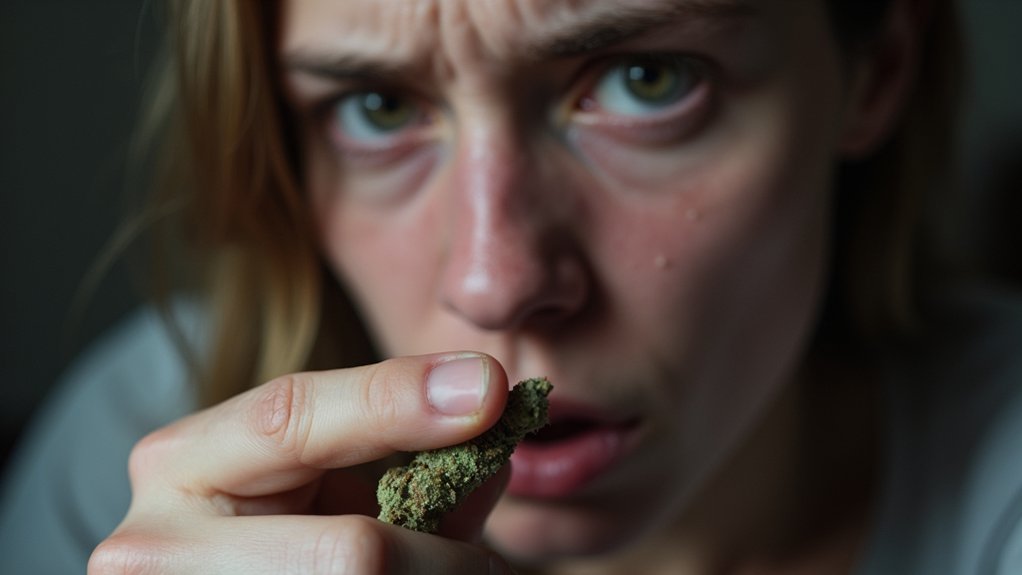
When you consume more THC than your body can process, the cannabinoid overwhelms your endocannabinoid system (ECS) and triggers greening out. THC binds to CB1 receptors throughout your nervous system, and excessive stimulation disrupts normal regulation of mood, memory, and physiological functions.
High THC potency in concentrates, dabs, and potent edibles delivers effects that exceed your body’s processing capacity. Your brain’s amygdala and prefrontal cortex become particularly affected, producing symptoms like paranoia and cognitive impairment. Edibles and concentrates are common culprits because their delayed onset often leads users to consume additional doses before feeling the initial effects.
The severity depends on several factors: the amount consumed, the product’s THC concentration, and your individual tolerance. Large quantities of cannabis create toxicity symptoms as THC accumulates faster than your body can metabolize it. This overstimulation manifests as nausea, dizziness, and psychological distress. While greening out is typically not life-threatening, it can be particularly dangerous for individuals with underlying heart conditions. New cannabis users face a higher likelihood of greening out because their bodies have not yet developed tolerance to THC’s effects.
How Low Tolerance Increases Your Greening Out Risk
How markedly does your tolerance level affect greening out risk? Low tolerance represents the primary factor in what causes greening out across all user demographics. When your body hasn’t acclimated to THC, even minimal doses can trigger overwhelming physiological responses.
Understanding why greening out happens requires examining these tolerance-related vulnerabilities:
Tolerance-related vulnerabilities remain the most critical factors when examining why greening out episodes occur.
- First-time users processing THC without established metabolic pathways
- Individuals returning after extended breaks with reset sensitivity levels
- Adolescents exploring unfamiliar products with underdeveloped tolerance
- Users unaware of personal consumption thresholds exceeding safe limits
What causes someone to green out often connects directly to tolerance miscalculation. Your metabolism, hydration status, and genetic predispositions influence how rapidly tolerance develops. What causes you to green out may involve consuming previously manageable amounts after tolerance resets, a common cause of greening out incidents. The good news is that symptoms typically pass within a few hours, though edibles may extend this duration. While greening out can feel overwhelming, it’s important to remember that it is not a fatal overdose and symptoms will eventually subside. If you or someone else is greening out, deep breathing or grounding techniques can help ease the discomfort and manage anxiety during the experience.
Why Mixing Weed and Alcohol Makes Greening Out Worse
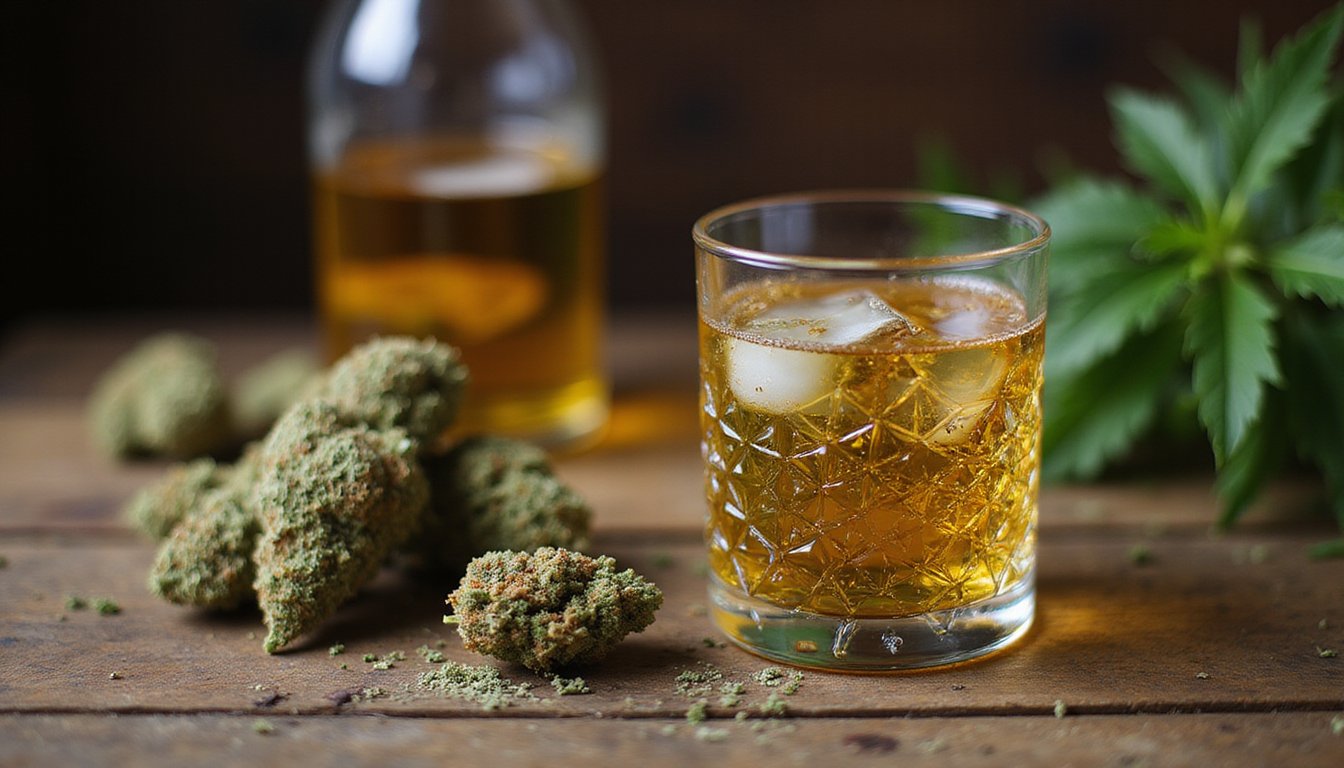
Combining alcohol with cannabis greatly amplifies your risk of greening out due to a well-documented pharmacological interaction. Research confirms that alcohol increases THC absorption into your bloodstream, resulting in drastically increased plasma cannabinoid concentrations. This synergistic effect produces greater impairment than either substance causes independently.
| Effect Category | Clinical Outcome |
|---|---|
| THC Blood Levels | Drastically increased concentrations |
| Impairment Duration | Extended subjective effects |
| Symptom Severity | Amplified nausea, dizziness, anxiety |
When you consume alcohol before cannabis, you’re fundamentally priming your system for THC overload. The central nervous system depression compounds, intensifying cognitive deficits and motor skill impairment. Additionally, cannabis can mask intoxication cues, leading you to consume more alcohol than intended and further escalating your greening out risk. If you experience a severe reaction, watch for warning signs of alcohol poisoning such as seizures or slow breathing, which require immediate emergency medical attention.
How High-Potency Strains Trigger Greening Out
High-potency cannabis strains deliver concentrated THC doses that can rapidly overwhelm your endocannabinoid system, triggering the cascade of symptoms associated with greening out. Modern THC Potency Levels in concentrates and dabs heightened exceed those in traditional flower, increasing your risk of adverse reactions.
High-potency cannabis can quickly overwhelm your system, making greening out more likely with today’s concentrated THC products.
When you consume high-THC products, your body experiences:
- Rapid neurotransmitter disruption causing anxiety and disorientation
- Raised cardiovascular responses including tachycardia and palpitations
- Gastrointestinal distress manifesting as nausea and sweating
- Sensory overload producing dizziness and panic
If you’re a new user or returning after a tolerance break, you’re particularly vulnerable. Your undeveloped tolerance amplifies these physiological responses. The swift onset from potent strains reduces your ability to pace consumption effectively, leading to unintentional overconsumption before you recognize the intensifying effects. Mixing cannabis with alcohol or other substances through crossfading significantly increases your chances of greening out. While greening out is extremely uncomfortable, it’s important to remember that this reaction is not fatal but may require medical attention in rare cases. The psychological symptoms like anxiety and paranoia typically subside within a few hours, though some lingering effects may persist up to 24 hours.
Why Dehydration and Empty Stomachs Set You up to Green Out

When you consume cannabis while dehydrated or on an empty stomach, you’re removing the physiological buffers that help regulate THC’s impact on your system. Dehydration intensifies THC effects by impairing your body’s ability to process cannabinoids efficiently, while an empty stomach accelerates absorption rates and causes rapid onset that can overwhelm your endocannabinoid system. Low blood sugar compounds these risks by triggering nausea, dizziness, and heightened anxiety, creating conditions where even moderate THC doses can precipitate a greening out episode. These physical symptoms are often accompanied by mental effects like paranoia and confusion, making the overall experience feel even more overwhelming and disorienting. The discomfort can persist for hours as your body works to eliminate the excess THC, though symptoms will pass in time as the cannabinoids are flushed from your system. To help your body recover, staying hydrated by drinking water can support the process of reducing symptoms as your system works to metabolize the THC.
Dehydration Intensifies THC Effects
Dehydration primes your body for a more intense THC response before you even consume cannabis. When your fluid levels drop, your body becomes more sensitive to THC’s effects. Low electrolytes and reduced blood volume impair your ability to regulate temperature and maintain stable blood pressure, both already challenged by THC’s vasodilatory properties.
How dehydration amplifies greening out risk:
- THC inhibits vasopressin release, increasing urine output by 200, 400% and accelerating fluid loss
- Reduced saliva production creates severe xerostomia, impairing swallowing and tissue hydration
- THC-induced vasodilation compounds existing low blood pressure from dehydration
- Hot environments create triple risk through simultaneous sweat loss, cannabis-related fluid depletion, and impaired thermoregulation
Pre-existing dehydration doesn’t just worsen dry mouth, it fundamentally alters how your cardiovascular system handles THC’s effects. This vulnerability is particularly concerning for adolescents and young adults, who are especially susceptible to the hydration-disrupting effects of cannabis. To minimize these risks, consume water at intervals before, during, and after cannabis use, and consider limiting alcohol or caffeine since they act as diuretics that compound dehydration.
Empty Stomachs Accelerate Absorption
An empty stomach creates conditions for rapid THC absorption that can quickly overwhelm your system. Without food to slow digestion, your GI tract processes cannabinoids at accelerated rates, allowing THC to enter your bloodstream faster and in higher concentrations. Your liver metabolizes these compounds more efficiently when not competing with food digestion.
| Factor | Full Stomach | Empty Stomach |
|---|---|---|
| Absorption Rate | Gradual | Accelerated |
| Onset Time | Delayed | Rapid |
| Effect Intensity | Moderated | Amplified |
This increased bioavailability means you’ll experience effects that hit harder and faster than anticipated. For THC-sensitive individuals, consuming edibles on an empty stomach tremendously raises the risk of anxiety, nausea, and disorientation. Clinical recommendations suggest reducing your dose by 50% when consuming without food.
Low Blood Sugar Risks
Low blood sugar compounds the risks you face when consuming cannabis in a dehydrated or fasted state. When you’re dehydrated, your blood glucose concentration fluctuates unpredictably, creating conditions that intensify greening out symptoms. Dehydration can mask underlying hypoglycemia while simultaneously producing overlapping symptoms like dizziness and fatigue.
Warning signs that increase your vulnerability:
- Dark urine indicating significant fluid deficit before consumption
- Skipped meals leaving no caloric buffer against glucose instability
- Lightheadedness or weakness suggesting compromised blood sugar regulation
- Recent alcohol intake promoting additional fluid loss
Your body lacks the metabolic stability to process THC efficiently when glucose levels are unstable. Dehydration elevates cortisol, impairing glucose response within days of reduced water intake. This physiological stress state amplifies cannabis’s effects, making adverse reactions more likely and more severe.
How Your Environment Can Trigger Greening Out
Your surroundings play a significant role in determining how your body responds to THC. Unfamiliar or high-stimulation environments can heighten anxiety and intensify the stress response that contributes to greening out, while hot, crowded venues accelerate dehydration and worsen physical symptoms like dizziness and nausea. Social pressure in group settings often pushes you to consume more than your tolerance allows, increasing your risk of overwhelming your system.
Unfamiliar Settings Amplify Anxiety
When you consume cannabis in an unfamiliar environment, your brain’s threat-detection systems activate before THC even enters the equation. Fear of the unknown triggers anticipatory anxiety, creating a neurological foundation that amplifies cannabinoid effects. Unfamiliar environments heighten hypervigilance, making your nervous system more reactive to THC’s psychoactive properties.
Situational anxiety in new settings compounds these effects through:
- Raised baseline cortisol levels from maneuvering unknown spaces
- Disrupted environmental cues that normally signal safety
- Increased sensory processing demands competing with THC’s effects
- Absence of familiar anchors that typically regulate stress responses
Research indicates high trait-anxious individuals show impaired adaptation to volatile, unfamiliar contexts. When you combine this compromised adaptive capacity with cannabis consumption, your threshold for greening out decreases greatly, regardless of dose or potency.
Heat Worsens Physical Symptoms
Beyond psychological stressors, physical environmental factors play a significant role in greening out severity. When you’re in a hot environment while experiencing cannabis overconsumption, your body faces compounded physiological stress.
Heat-induced-symptom-exacerbation occurs because elevated temperatures disrupt your body’s homeostasis. Your cardiovascular system already works harder during a green out, and heat adds additional strain through increased heart rate and blood pressure. You’ll experience intensified sweating, which accelerates dehydration and worsens nausea. Heat-induced symptom exacerbation occurs because elevated temperatures disrupt your body’s homeostasis. If you’re asking what is greening out, it refers to THC overconsumption that already stresses the cardiovascular system, so added heat further increases heart rate and blood pressure. You may experience intensified sweating, which accelerates dehydration and can worsen nausea.
Hot environments amplify the autonomic responses your body produces when overwhelmed by THC. You may notice your nausea becoming more severe, your perspiration increasing dramatically, and your heart racing faster than it would in cooler conditions. Dehydration from excessive sweating compounds gastrointestinal distress, creating a cycle that intensifies symptoms. Moving to a cooler space can help stabilize these physical responses.
Social Pressure Encourages Overconsumption
Social settings create powerful dynamics that drive cannabis overconsumption, even when individuals intend to use moderately. Research demonstrates peer pressure dramatically influences substance consumption patterns, with 47% of young adults consuming more than intended to keep up with others. Group norms often become overestimated, leading individuals to consume beyond their tolerance.
Environmental factors that increase overconsumption risk:
- Public consumption contexts where matching others’ intake feels expected
- Social media exposure portraying heavy use as normalized behavior
- Group settings where declining additional consumption invites mockery
- FOMO-driven decisions amplified by perceived peer circles
Studies indicate younger cohorts experience disproportionate pressure despite lower baseline consumption rates. This social pressure directly correlates with negative substance-related consequences, as individuals exceed their physiological limits attempting to meet perceived group expectations.
Who Faces the Highest Risk of Greening Out?
Although greening out can affect anyone who consumes cannabis, certain populations face heightened, elevated risk profiles.
New cannabis users lack established THC tolerance, making them vulnerable to overwhelming effects from even modest doses. If you’re returning after an extended break, your tolerance has likely reset, placing you in this high-risk category.
High-potency consumers using concentrates, dabs, or strong edibles experience rapid THC delivery that can quickly exceed comfortable thresholds. Substance mixers who combine cannabis with alcohol face amplified symptoms including severe dizziness and confusion.
Health-conditioned individuals with pre-existing anxiety, cardiovascular issues, or low blood pressure demonstrate increased vulnerability to adverse reactions. Additionally, physiological factors considerably influence your risk, consuming on an empty stomach, dehydration, sleep deprivation, and individual metabolic differences all affect how your body processes THC.
How to Lower Your Chances of Greening Out
Understanding your risk profile provides the foundation for implementing effective prevention strategies. Research indicates that modifying specific variables drastically reduces greening out incidence.
Evidence-Based Prevention Protocols:
- Hydration practices: Consume water before, during, and after cannabis use to regulate blood pressure and mitigate dizziness symptoms.
- Consumption methods: Select smoking or vaping over edibles for precise dose titration, and allow adequate intervals between uses for physiological recovery.
- Food and snacks: Eat light options like fruit or crackers to stabilize blood glucose levels, while avoiding heavy or greasy foods that exacerbate nausea.
- Environment control: Position yourself in familiar, quiet spaces where you can sit or lie down comfortably.
Implementing support strategies, including grounding techniques and trusted companions, provides additional safeguards against adverse reactions.
Frequently Asked Questions
Can Greening Out Cause Any Long-Term Damage to Your Brain or Body?
A single greening out episode won’t cause permanent damage to your brain or body. However, if you’re frequently greening out, you’re exposing yourself to cumulative risks. Repeated episodes are linked to memory impairment, reduced cognitive function, and heightened susceptibility to anxiety, depression, or psychosis, particularly if you’re predisposed. Your body may also develop respiratory issues or cardiovascular complications from chronic use. These risks typically improve when you reduce or stop consumption.
How Long Does a Typical Greening Out Episode Last Before Symptoms Fade?
If you’ve smoked or vaped, you’ll typically experience peak symptoms within 30 minutes to an hour, with significant improvement within 2-4 hours. Edibles present a different timeline, symptoms may persist for 6-8 hours due to slower metabolic processing. Factors like your hydration levels, tolerance, and whether you’ve combined cannabis with alcohol directly affect duration. Most episodes resolve completely within 24 hours, though lingering grogginess may occur.
Does Your Body Weight Affect How Likely You Are to Green Out?
Your body weight likely plays a minimal role in greening out risk. Research shows cannabis affects individuals regardless of BMI, and the relationship between body weight and THC sensitivity isn’t straightforward. More significant risk factors include your tolerance level, consumption method, product potency, and individual biological sensitivity. You’re better off focusing on dosage control and consumption pace rather than relying on body weight as a protective factor against overwhelming THC effects.
Can You Build Permanent Tolerance so You Never Green Out Again?
You can’t build permanent tolerance that guarantees you’ll never green out again. While frequent cannabis use does accelerate CB1 receptor adaptation, THC can still overwhelm your system through overconsumption, regardless of tolerance level. Even high-tolerance users experience greening out when they consume beyond their threshold. Your body chemistry and metabolism create individual limits that tolerance doesn’t eliminate. T-breaks of 2-4 weeks actually reset receptors, demonstrating tolerance isn’t permanent.
Is Greening Out More Common With Certain Cannabis Consumption Methods Than Others?
Yes, certain methods increase your greening out risk. Dabbing concentrates and vaping high-potency products deliver THC rapidly, overwhelming your system faster than smoking flower. Edibles present different risks, delayed onset leads many users to consume additional doses before effects peak, causing accidental overconsumption. Clinical data shows dabbing prevalence reaches 24.4% among medical users, often involving concentrated forms that intensify adverse reactions. You’ll reduce risk by choosing lower-potency methods and slower consumption rates.