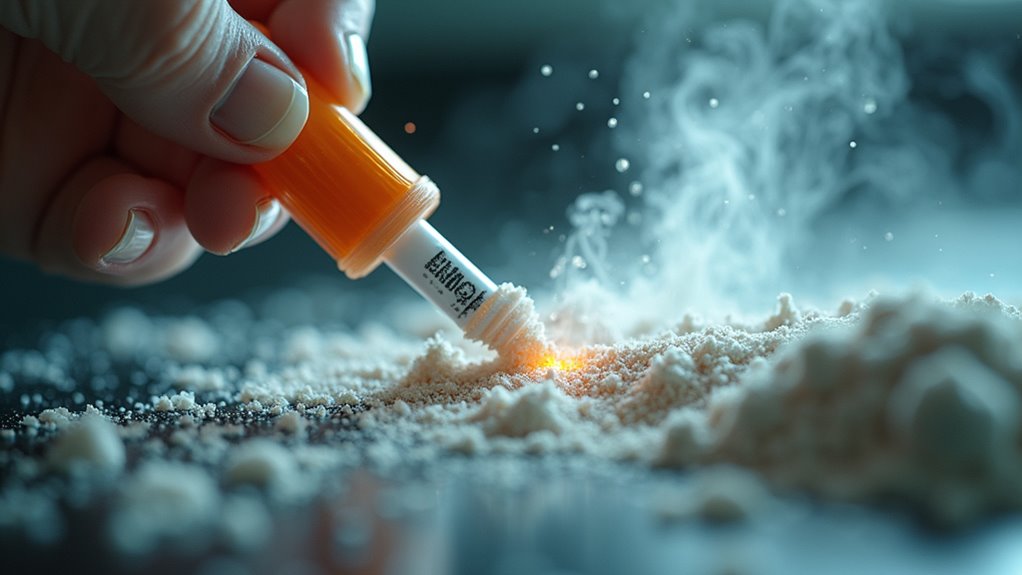
Injecting Xanax delivers the full dose into your bloodstream in seconds, bypassing the gradual absorption oral tablets provide. This rapid spike raises your risk of over-sedation and respiratory depression, and undissolved particles can block vessels, triggering stroke, heart attack, or embolism. You’re also exposed to bloodborne infections and vein damage. Mixing with opioids or alcohol multiplies the danger, making fatal overdose likely. Understanding why this happens, and how to get help, can change everything.
Key Takeaways
- Xanax is an oral benzodiazepine for anxiety and panic disorders, meant to be swallowed whole, never crushed or injected.
- Some people inject Xanax to bypass digestion and achieve faster, more intense sedation, often driven by tolerance or existing drug use.
- Injection delivers the full dose into the bloodstream in seconds, spiking blood concentration and sharply raising over-sedation and respiratory depression risks.
- Undissolved tablet particles can block vessels, causing stroke, heart attack, or embolism, while needles increase bloodborne infections and vein damage.
- Mixing injected Xanax with opioids or alcohol multiplies respiratory suppression, and once injected there is no way to slow potentially fatal effects.
What is Xanax (alprazolam) and how is it meant to be taken
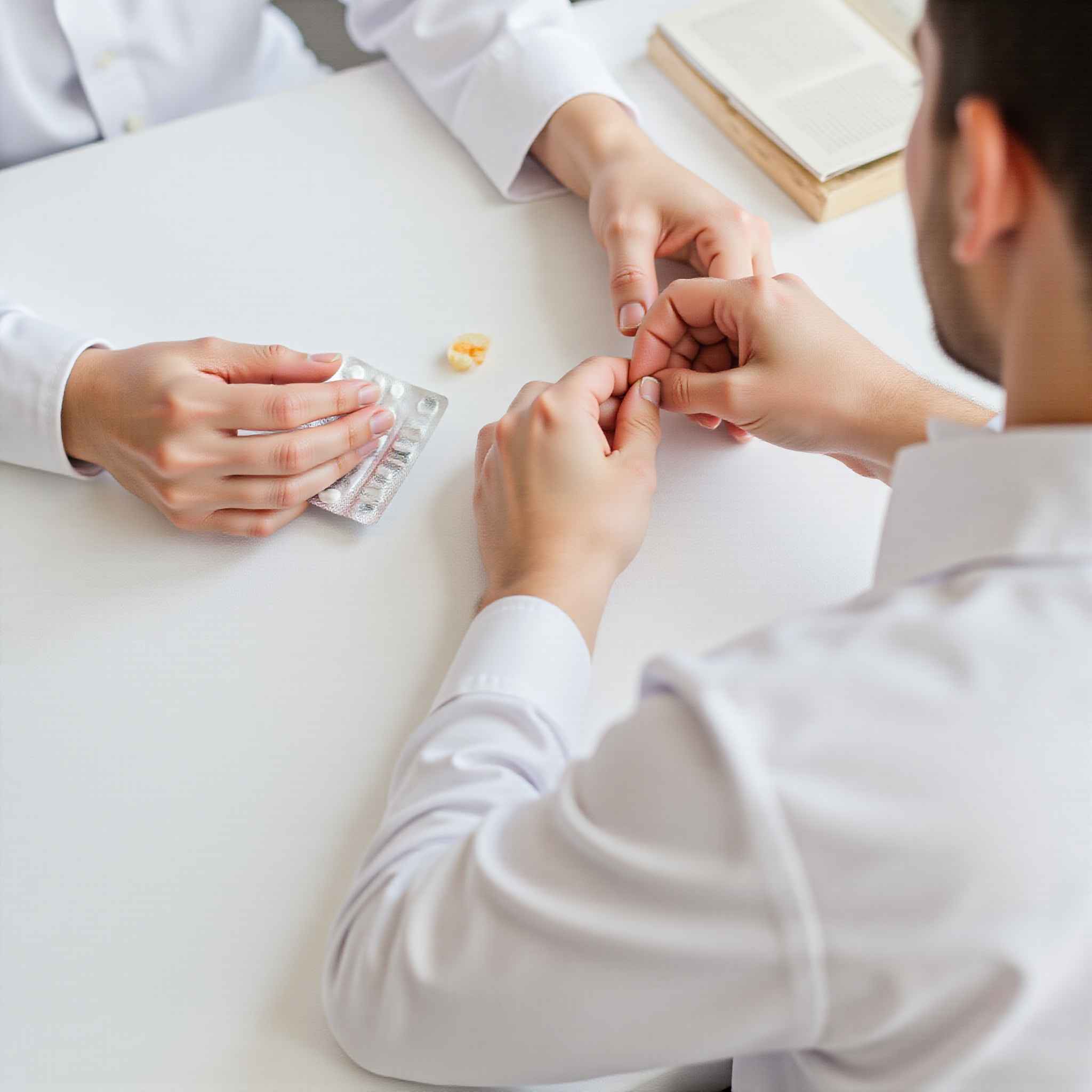
Xanax is the brand name for alprazolam, a fast-acting benzodiazepine prescribed to treat anxiety and panic disorders. It works by enhancing the effect of GABA, a neurotransmitter that calms your nervous system, which is why it eases acute anxiety and panic quickly.
You’re meant to take it orally as a tablet, swallowed whole and dosed exactly as directed. It’s intended for short-term or intermittent use because your body develops tolerance and dependence rapidly.
You shouldn’t crush, chew, or dissolve the tablets, and you should never combine Xanax with alcohol or opioids, which amplify sedation and respiratory depression. Taken as prescribed, alprazolam is absorbed gradually through your digestive system, a controlled process that any alternative route, like injection, dangerously bypasses.
Do people inject Xanax, and why does it happen
Yes, some people do inject Xanax, though it’s far less common than swallowing tablets. If you or someone you know injects it, understanding the motivations helps address the behavior.
People typically turn to injection seeking a faster, more intense effect. Because injecting delivers the drug directly into your bloodstream, it bypasses digestion and produces near-instant sedation. This rapid onset is often what drives the practice.
You might also encounter injection among people with established dependence. As tolerance builds, some chase stronger effects that pills no longer provide. Others inject because they’re already using this route for opioids or stimulants and add Xanax to the mix.
Xanax isn’t designed for injection, making the method especially hazardous.
Why injecting it is far more dangerous than taking it orally

Injection is far more dangerous than oral use because it bypasses your digestive system, delivering the full dose directly into your bloodstream in seconds, and that speed is exactly what makes it so dangerous. When you swallow Xanax, absorption is gradual, giving your body time to regulate. Injection removes that buffer, spiking blood concentrations instantly and raising your risk of over-sedation, respiratory depression, and fatal overdose. Xanax also doesn’t fully dissolve in water, so undissolved particles can block vessels, triggering stroke, heart attack, or embolism.
| Factor | Oral Use | Injection |
|---|---|---|
| Onset | Gradual | Seconds |
| Overdose risk | Lower | Much higher |
| Vessel blockage | None | Common |
You also expose yourself to bloodborne infections, vein damage, and faster dependence, harms you simply don’t face when taking it orally.
What makes alprazolam high-risk for misuse and dependence
Alprazolam carries a high misuse potential because it acts fast and clears your system quickly, a pharmacological one-two punch that drives repeat dosing. Each dose brings rapid relief, then wears off, prompting you to redose to avoid rebound anxiety. This cycle escalates your tolerance and accelerates dependence.
Several factors compound the risk:
- Rapid onset: You feel effects within minutes, reinforcing the behavior.
- Short half-life: The drug leaves quickly, triggering withdrawal and cravings.
- Escalating tolerance: You need higher doses to achieve the same effect.
- Physical dependence: Your body adapts fast, making cessation dangerous.
- Severe withdrawal: Abrupt stopping can cause seizures and rebound symptoms.
When you inject it, these dynamics intensify, shortening the path to addiction and increasing your overall harm profile markedly.
Why injection raises overdose and respiratory-depression risk
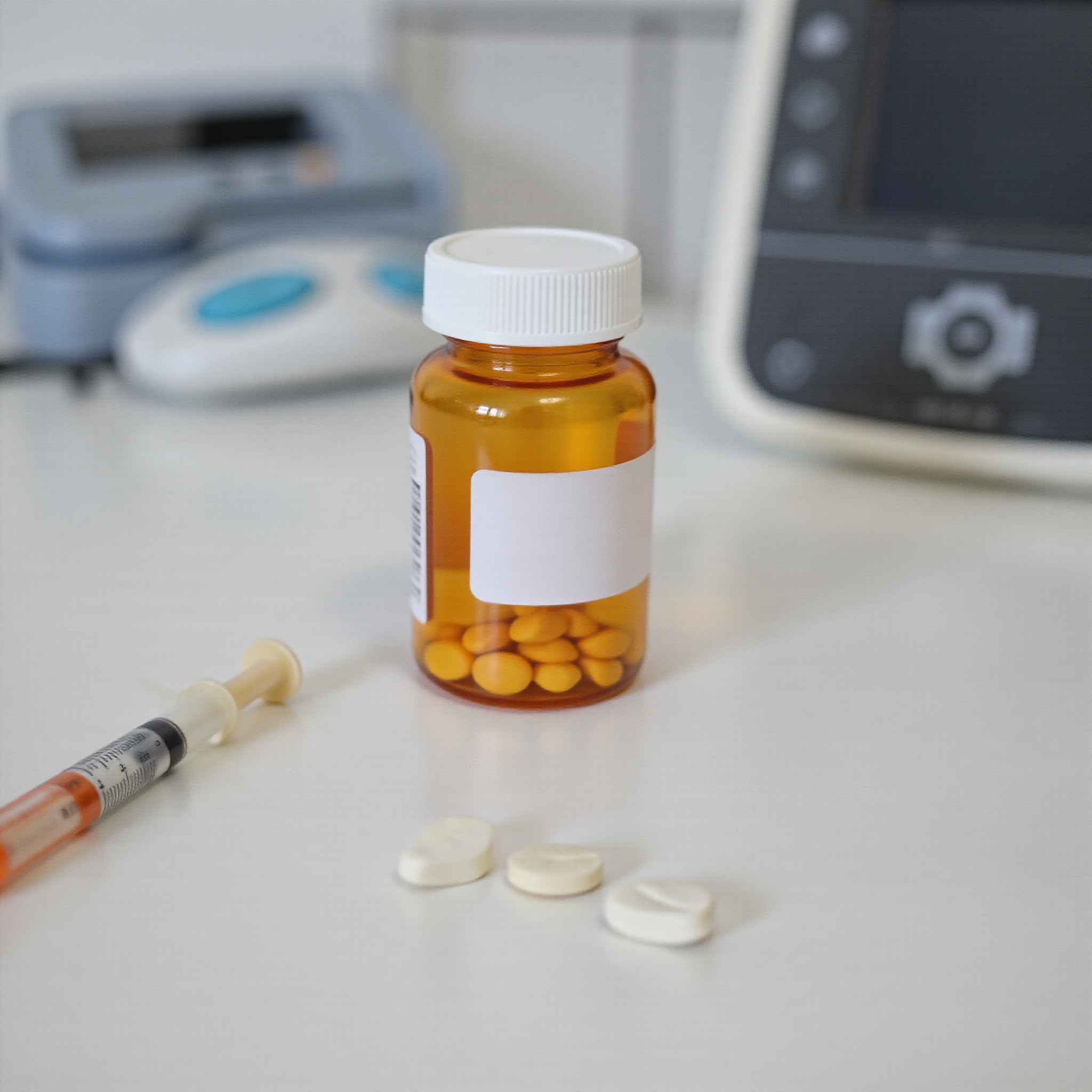
Injection raises overdose and respiratory-depression risk because it bypasses the buffering effects of digestion, delivering the full dose into your bloodstream instantly. When you swallow a pill, absorption happens gradually, giving your body time to adjust. Injection eliminates that buffer, so the entire dose hits your central nervous system at once. This sudden spike dramatically raises your overdose risk, because there’s no window to recognize warning signs before you’re over-sedated.
Alprazolam depresses your respiratory drive. At high concentrations delivered rapidly, your breathing can slow or stop entirely, leading to collapse and potential death. This danger multiplies if you’ve combined Xanax with opioids or alcohol, which also suppress breathing.
You can’t reverse an injection once it’s done. The drug’s already circulating, and there’s no way to slow its immediate, potentially fatal effect.
Why mixing with opioids or alcohol can be fatal
Mixing Xanax with opioids or alcohol can be fatal because you’re stacking three central nervous system depressants that all suppress your respiratory drive. Each substance amplifies the others, so the combined effect isn’t additive, it’s synergistic. Injecting Xanax delivers the full dose instantly, leaving no margin to gauge how the mixture affects you before it’s too late.
Three depressants converging on one system, your breathing, don’t just add up the risk. They multiply it beyond your control.
Here’s what happens when these depressants converge:
- Your respiratory drive slows or stops entirely.
- Over-sedation progresses to unconsciousness rapidly.
- Fatal overdose risk climbs exponentially with each added substance.
- Opioid overdose symptoms intensify when Xanax is present.
- Collapse and death can occur before help arrives.
If you can’t avoid combining, don’t use alone, keep naloxone nearby, and recognize that no amount is reliably safe.
How Florida Sober Living Homes connects people to benzo treatment
Florida Sober Living Homes connects you to benzodiazepine treatment before injection-related complications become irreversible. When you reach out, you’re matched with medically supervised detox programs, since abruptly stopping benzos can trigger seizures and other life-threatening withdrawal symptoms. You’ll access structured care that addresses both the physical dependence and the injection-related harm, including infections, vascular damage, and overdose risk. Referrals link you with providers who manage tapering safely, treat co-occurring conditions, and monitor for bloodborne pathogens like HIV and hepatitis C. If you’re mixing Xanax with opioids or alcohol, you’ll get prioritized placement. Contacting them early reduces your risk of permanent damage or death.
Get Help for Xanax Misuse Before the Risks Escalate
Florida Sober Living Homes connects people struggling with Xanax misuse to medically supervised detox, structured treatment, dual diagnosis care, and supportive sober housing. Professional care can address benzodiazepine dependence while reducing risks linked to overdose, withdrawal, and injection-related complications. For confidential treatment referrals, contact the SAMHSA National Helpline at 1-800-662-HELP (4357). Call 911 for a suspected overdose or breathing emergency.
Frequently Asked Questions
What Are the Early Warning Signs of Xanax Addiction?
You’ll notice tolerance building first, meaning you need higher doses to feel the same effect. You might find yourself taking Xanax more often than prescribed, or using it to cope with stress. Watch for cravings, preoccupation with your next dose, and using despite knowing the risks. If you’re changing your method of use to intensify effects, that’s a serious escalation. These signs suggest dependency’s developing rapidly, so don’t ignore them. Seek help early.
How Is a Xanax Overdose Treated in an Emergency?
Call 911 immediately. You can’t treat a Xanax overdose at home. Emergency responders will monitor breathing, since respiratory depression is the main threat, and may provide oxygen or ventilation support. They’ll administer flumazenil, a benzodiazepine reversal agent, though it’s used cautiously. If you’ve injected Xanax, tell them, since undissolved particles raise complication risks. Keep the person awake, positioned on their side to prevent choking, and stay until help arrives.
Can Collapsed Veins From Injecting Xanax Heal Over Time?
Sometimes, but not always. If you’ve only injected in one spot occasionally, a collapsed vein might recover once you stop using it. However, repeated injections cause permanent vein damage and scarring that won’t heal. Xanax doesn’t fully dissolve, so undissolved particles worsen inflammation and vein failure over time. To protect your circulation, you’ll need to rotate sites, avoid re-injuring healing veins, and ideally stop injecting altogether.
How Long Does Xanax Withdrawal Typically Last?
Xanax withdrawal typically lasts anywhere from a few weeks to several months, depending on your dosage, duration of use, and individual factors. You’ll usually experience acute symptoms within 1-4 days, peaking around two weeks. Some people develop protracted withdrawal, with symptoms lingering for months. Because Xanax withdrawal can trigger dangerous seizures, don’t quit abruptly. You’ll need a medically supervised taper. Talk to a healthcare provider before stopping to protect your safety.
Is Medically Supervised Detox Necessary for Benzodiazepine Dependence?
Yes, you’ll want medically supervised detox for benzodiazepine dependence. Stopping abruptly can trigger dangerous withdrawal, including seizures, that may become life-threatening. Under supervision, clinicians taper your dose gradually, monitor your symptoms, and manage complications safely. This structured approach reduces your risk and improves your comfort. If you’re dependent, don’t attempt to quit on your own. Reach out to a healthcare provider to plan a safe, gradual withdrawal.