If you suspect a Xanax overdose, call 911 immediately. Do not wait to “sleep it off.” Watch for slowed or shallow breathing, extreme drowsiness, blue lips or fingernails, and unresponsiveness. Injecting Xanax bypasses your body’s natural safeguards, delivering the full dose instantly and shortening your response window. Keep the person awake, roll them onto their side if unconscious but breathing, and never induce vomiting. Knowing what comes next could save a life.
Key Takeaways
- Watch for slowed or shallow breathing, extreme drowsiness, blue lips or fingernails, unresponsiveness, and seizures as escalating overdose signs.
- Injecting Xanax bypasses digestive safeguards, delivering the full dose instantly into the bloodstream and causing rapid, dangerous central nervous system depression.
- Mixing Xanax with opioids or alcohol multiplies respiratory suppression, pushing vital signs below survivable thresholds and dramatically increasing fatal overdose risk.
- Call 911 immediately when overdose is suspected; never wait to “sleep it off” or induce vomiting.
- Keep the person awake and alert, roll them onto their side if unconscious but breathing, and clear the airway.
What does a Xanax overdose look like
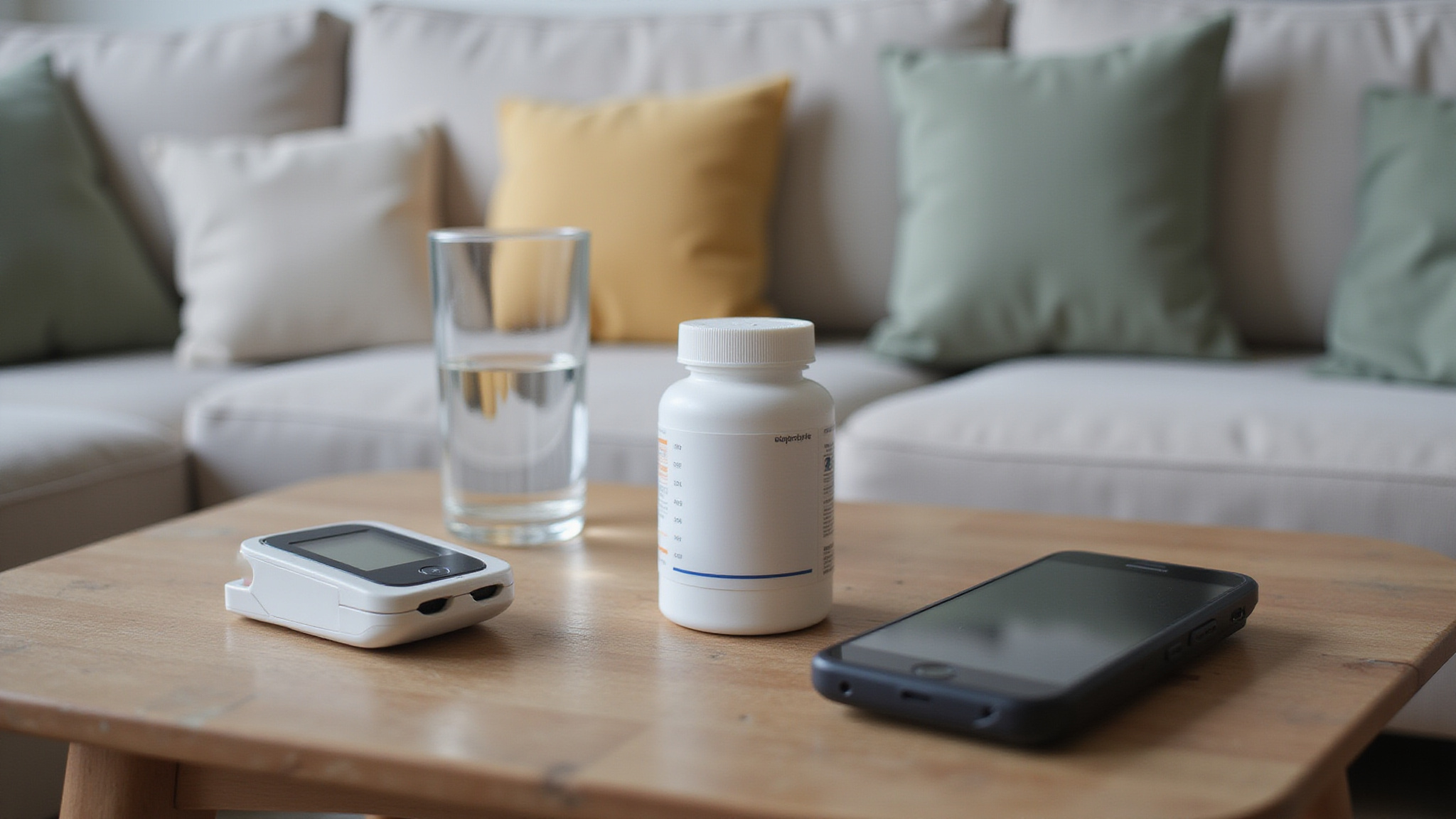
A Xanax overdose looks like slowed or shallow breathing and extreme drowsiness. Watch for the early markers first. Mild cases show lightheadedness, floppy limbs, and loss of balance. As toxicity escalates, you’ll see a blue tint to the fingernails or lips, plus snoring or gurgling sounds that signal a compromised airway. Profound confusion, fainting, and unresponsiveness mark the progression to critical stages. In severe toxicity, expect seizures, coma, hallucinations, and yellowing of the eyes or skin.
Assess the person systematically. Check their breathing rate, their responsiveness, and their skin color. Don’t dismiss mild symptoms, they can worsen quickly, especially if Xanax has been combined with alcohol, opioids, or other central nervous system depressants.
Why injection raises the overdose risk
Injection raises the overdose risk because it bypasses your body’s natural safeguards and delivers the full dose straight into your bloodstream. You lose the gradual absorption that oral dosing provides, so the drug depresses your brain activity almost instantly. This rapid onset gives you no window to recognize warning signs before your breathing and heart rate drop to dangerous levels.
- No absorption buffer: You skip digestive processing that normally slows and moderates drug uptake.
- Immediate CNS depression: Full-strength delivery suppresses breathing faster than pills ever could.
- Unpredictable potency: Crushed tablets contain fillers not meant for injection, raising contamination risk.
- Compounded danger: Combining injected Xanax with opioids or alcohol multiplies respiratory failure risk.
- Narrow response time: You can’t intervene quickly once symptoms escalate toward unconsciousness or collapse.
What are the warning signs of benzodiazepine overdose
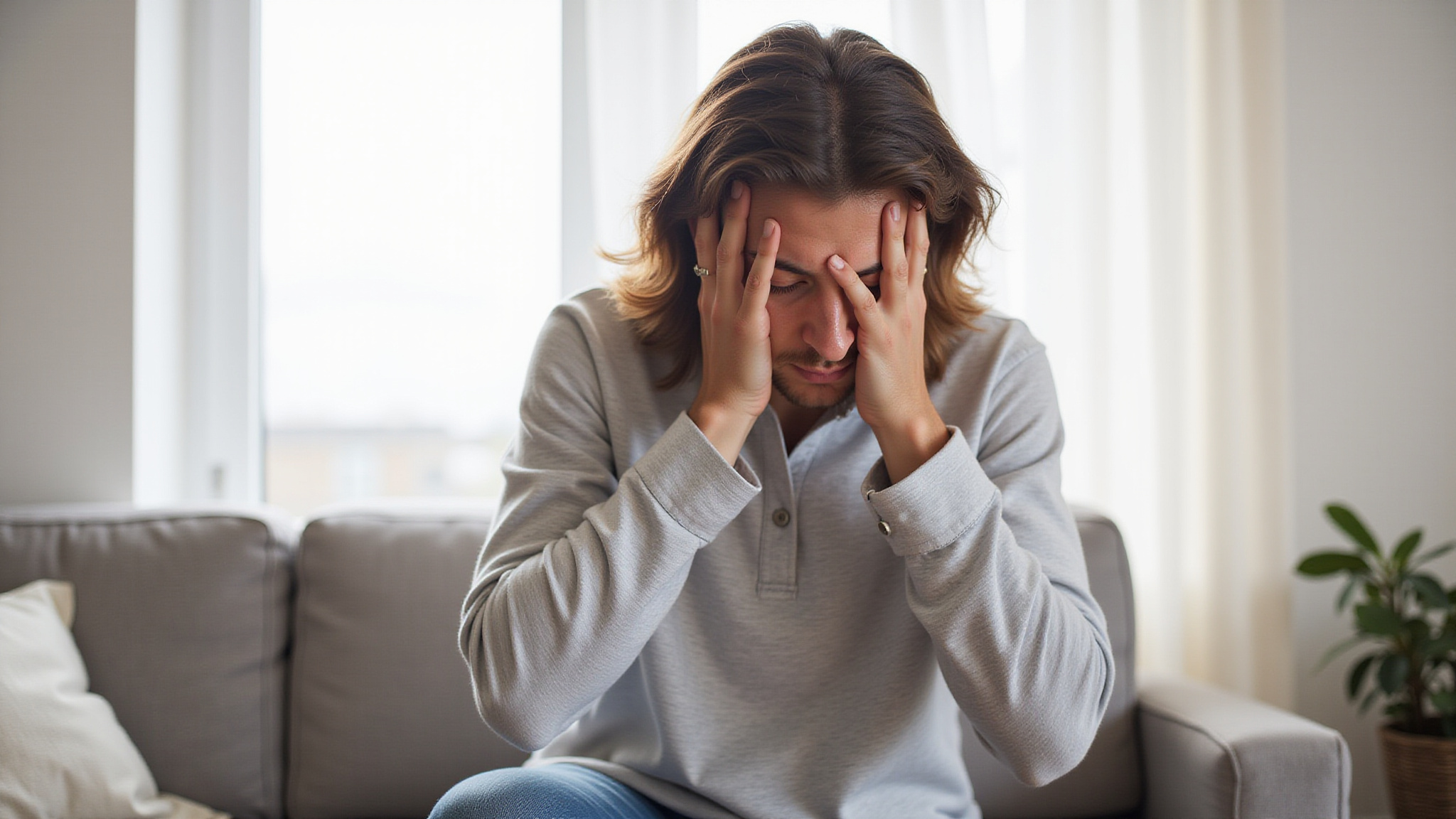
Benzodiazepine overdose warning signs escalate along a predictable continuum, so match what you observe against severity to guide your next action.
| Severity | Warning Signs | Your Action |
|---|---|---|
| Mild | Lightheadedness, floppy limbs, loss of balance | Monitor closely, keep alert |
| Moderate | Slowed or shallow breathing, extreme drowsiness | Call Poison Control, prepare for 911 |
| Severe | Blue lips or fingernails, snoring or gurgling sounds | Call 911 immediately |
| Critical | Profound confusion, fainting, unresponsiveness | Call 911, begin first response |
| Toxic | Seizures, coma, hallucinations, yellowing skin or eyes | Call 911, ventilate if breathing stops |
Don’t wait for progression. Treat any respiratory depression as a medical emergency and act.
Why combining Xanax with opioids or alcohol is so dangerous
Combining Xanax with opioids or alcohol is dangerous because each substance depresses your central nervous system independently, and stacking them together makes their effects compound rather than simply add up. Under normal conditions, Xanax alone rarely kills, but the moment you add opioids or alcohol, the risk multiplies. Your breathing slows, your heart rate drops, and your brain activity depresses to dangerous levels. This combination is what turns most benzodiazepine incidents fatal.
Xanax alone rarely causes death, but mixing it with opioids or alcohol can rapidly increase the risk.
Here’s why the mixture proves so lethal:
- Xanax and opioids both suppress your respiratory drive, stopping breathing entirely
- Alcohol amplifies Xanax’s sedative effects, deepening unconsciousness
- Combined CNS depressants push your vital signs below survivable thresholds
- Your body can’t compensate when multiple depressants overwhelm it simultaneously
- Fatal overdoses occur far more often with co-ingestion than Xanax alone
What to do in a suspected overdose (call 911 immediately)
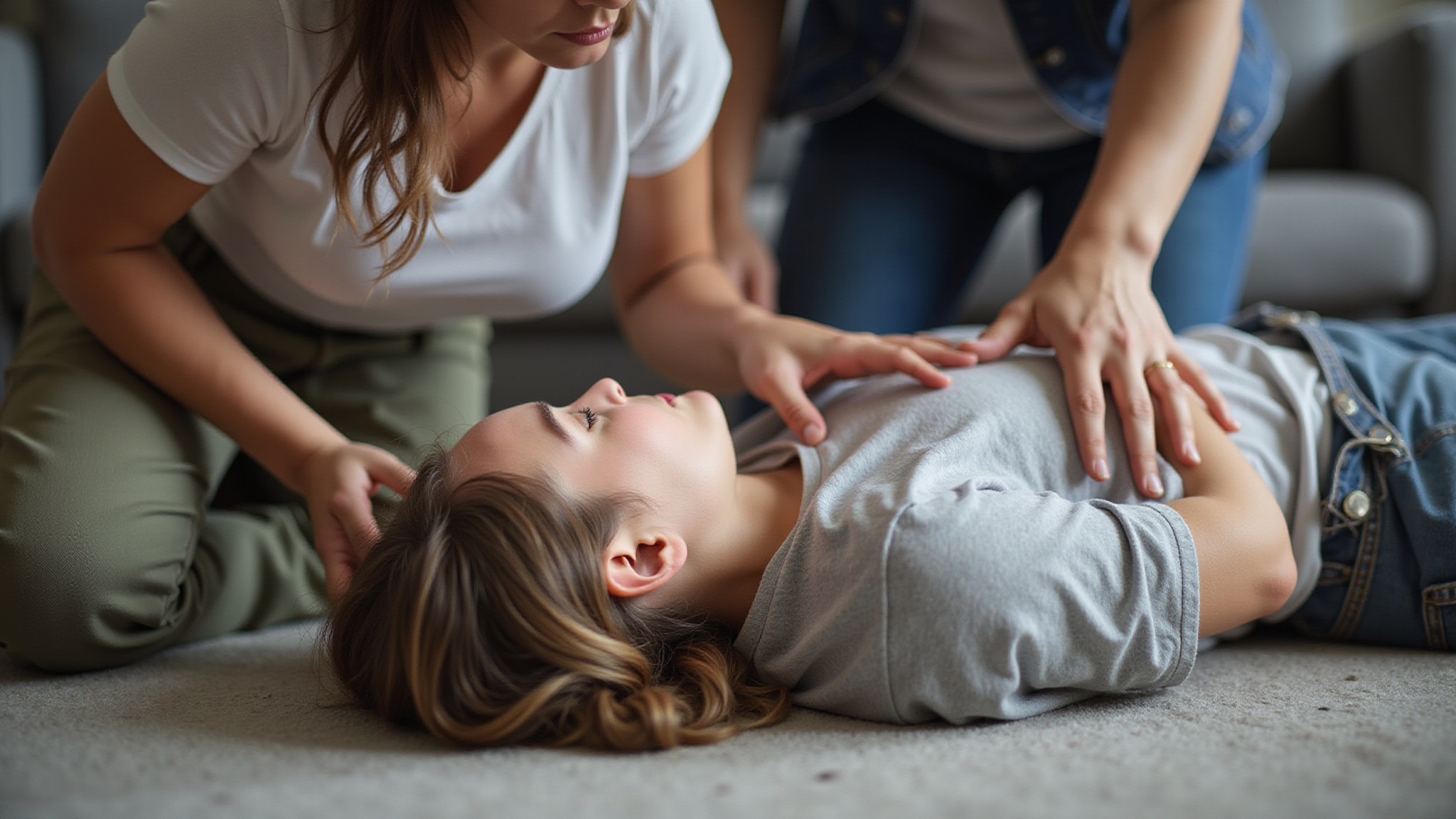 Call 911 immediately when you suspect an overdose, and don’t wait for symptoms to worsen or hope the person sleeps it off. Report collapse, seizures, difficulty breathing, or inability to wake the person. Keep the person awake and alert by talking to them or gently shaking their shoulders as you wait for help. If they’re unconscious but breathing, roll them onto their side to prevent choking if they vomit. Remove ties, necklaces, or anything around the neck to keep the airway clear. Never make the person vomit, and don’t give them food or drinks. For non-severe cases, contact National Poison Control at 1-800-222-1222 for guidance. Even if symptoms seem mild, seek medical treatment, because overdose effects can escalate rapidly. Monitor breathing and responsiveness continuously until emergency personnel arrive.
What is the role of poison control (1-800-222-1222)
Poison Control at 1-800-222-1222 guides you through cases that don’t yet meet the threshold of a life-threatening emergency handled by 911. You’ll reach trained specialists who assess the situation and direct your next steps. Call this line when symptoms appear mild and the person remains conscious and breathing normally.
When symptoms stay mild and breathing is normal, Poison Control’s specialists assess your situation and direct your next steps.
- Report the exact dose taken and the time of ingestion.
- Disclose any co-ingested substances, especially alcohol, opioids, or other benzodiazepines.
- Describe current symptoms, including drowsiness, balance loss, or lightheadedness.
- Follow their instructions precisely, including whether to escalate to 911.
- Keep the person awake and monitor breathing while you’re on the call.
Don’t delay this call for non-severe cases. Early guidance prevents mild symptoms from progressing to critical respiratory compromise.
How Florida Sober Living Homes connects survivors to ongoing care
Florida Sober Living Homes connects survivors to ongoing care by linking them to structured, supervised environments designed to support long-term recovery after acute care ends. After emergency treatment stabilizes a survivor, the next step is preventing another overdose, and that’s where Florida Sober Living Homes steps in. After you’re discharged, staff coordinate your shift into a residence that reinforces sobriety through accountability and routine. You’ll have access to peer support, relapse prevention planning, and referrals to outpatient treatment or counseling. Monitoring continues, so any signs of return to use get addressed early. If you’re managing a benzodiazepine dependency, you receive guidance on safe tapering and medication compliance. You won’t navigate recovery alone. By linking you to ongoing care, Florida Sober Living Homes reduces your risk of repeat overdose and helps you rebuild stability.
How Florida Sober Living Homes Supports Recovery After a Xanax Overdose
After emergency treatment, Florida Sober Living Homes connects survivors with sober housing, outpatient care, counseling, relapse prevention, and support for medically supervised benzodiazepine tapering. These services provide accountability and stability while reducing repeat overdose risk. For treatment referrals, contact the SAMHSA National Helpline at 1-800-662-HELP (4357). Call 911 immediately for breathing problems, seizures, unconsciousness, or suspected overdose.
Frequently Asked Questions
How Long Does Xanax Stay in Your System?
Xanax typically stays in your system for about 2 to 4 days, though this varies by individual. Its half-life averages 11 hours, meaning your body eliminates half the dose in that time. Factors like your age, liver function, metabolism, dosage, and frequency of use affect clearance. Standard urine tests can detect it for up to 4 days, while heavy or chronic use may extend detection to a week.
Can Naloxone Reverse a Xanax Overdose?
No, naloxone can’t reverse a Xanax overdose. Naloxone works on opioids, not benzodiazepines like Xanax. The medication that counters Xanax is flumazenil, a benzodiazepine antagonist doctors may administer to reverse overdose effects. However, if you suspect a mixed overdose involving opioids, naloxone could still help with the opioid component. Don’t rely on it for Xanax alone. Call 911 immediately and let emergency personnel determine the appropriate treatment protocol.
Is Xanax Addiction Treatable Through Detox Programs?
Yes, you can treat Xanax addiction through medically supervised detox programs. You’ll need professional oversight because abrupt withdrawal can trigger seizures and dangerous complications. Don’t attempt to quit cold turkey on your own. Enroll in a program where clinicians gradually taper your dosage to minimize withdrawal risks. You’ll also benefit from combining detox with counseling and behavioral therapy for long-term recovery. Consult your doctor to determine the safest treatment plan.
What Are the Long-Term Effects of Surviving an Overdose?
You may face lasting complications after surviving an overdose. If your brain was oxygen-deprived during respiratory depression, you can develop cognitive impairment, memory problems, or motor deficits. Prolonged coma or seizures may leave neurological damage. You might experience ongoing confusion, coordination issues, or organ strain from toxicity. Follow up with your doctor to monitor recovery and address any persistent symptoms. Do not ignore new deficits. They require clinical evaluation and rehabilitation.
Are There Safer Alternatives to Xanax for Anxiety?
Yes, safer alternatives exist, but you’ll need to consult your doctor to determine what fits your situation. Options may include non-benzodiazepine medications, certain antidepressants, or therapy-based approaches for anxiety. These typically carry lower overdose and dependence risks than Xanax. Do not switch or stop medications on your own. Work with your prescriber to adjust your treatment plan safely. Never combine any anxiety medication with alcohol or other CNS depressants without medical guidance.