
If someone you love is injecting Xanax, you’ll notice specific physical signs. Look for track marks, including small holes, scabs, and bruises on the arms, legs, or between the toes. You might spot bruised veins with dark purplish discoloration along injection paths. Check for paraphernalia like scorched foil, burnt spoons, and improvised tourniquets. Watch for heavy sedation, memory gaps, secrecy, and mood swings too. Understanding how these warning signs progress can help you act before it’s too late.
Key Takeaways
- Look for track marks, needle holes, and bruised veins on arms, legs, or between toes in various healing stages.
- Watch for drug preparation materials like burnt spoons, scorched foil, powder-residue bags, and belts repurposed as tourniquets.
- Notice heavy sedation, slurred speech, poor coordination, and difficulty staying awake resembling alcohol intoxication.
- Be alert to memory gaps, blackouts, forgotten conversations, and repeated questions signaling high-dose impairment.
- Observe behavioral shifts including secrecy, social withdrawal, new friend groups, neglected hygiene, and mood swings.
What signs suggest someone is injecting Xanax
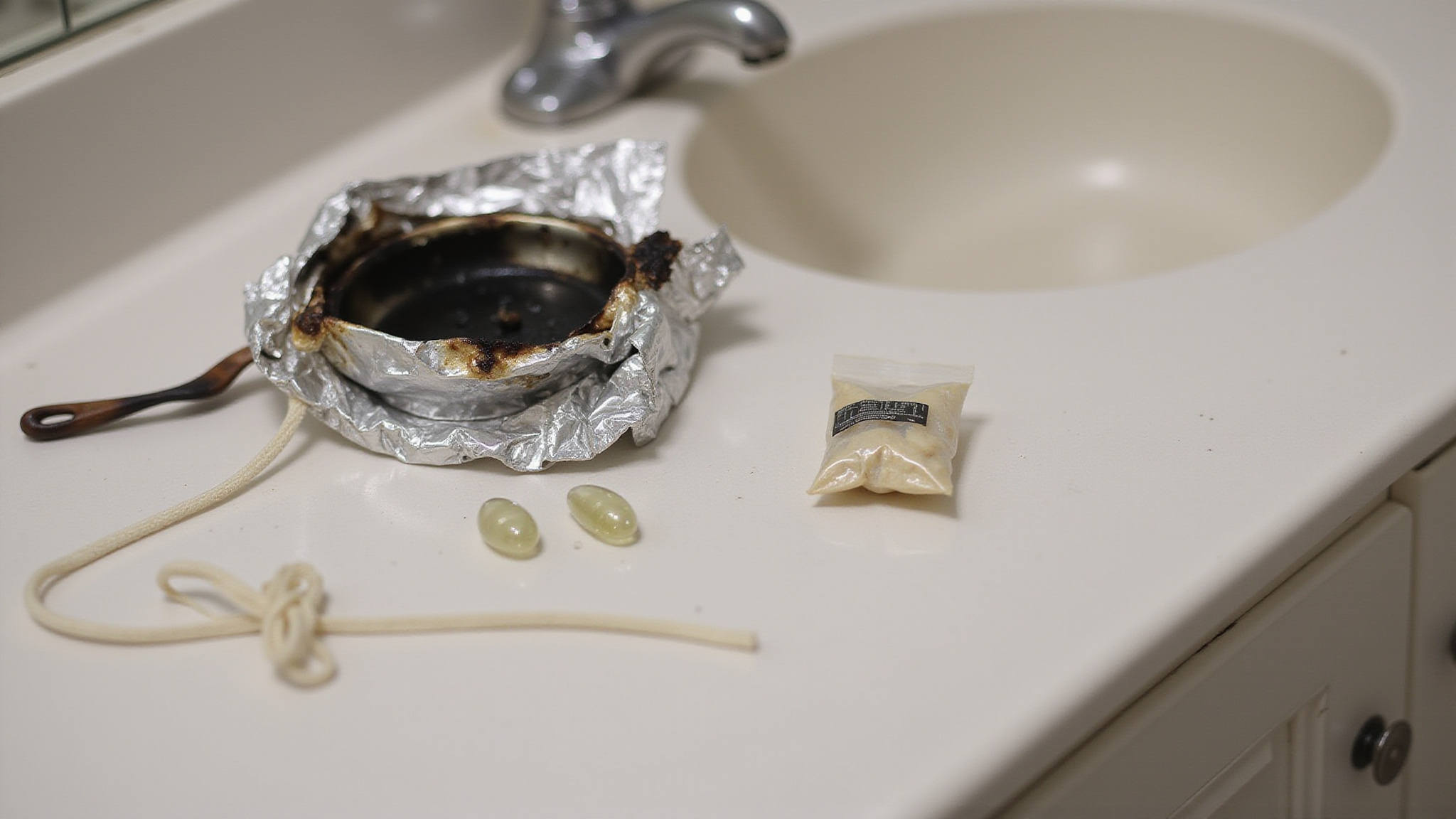
Signs that someone is injecting Xanax appear both on the body and in drug preparation materials. You’ll notice track marks, small holes, scabs, and bruises, on the arms, legs, or between the toes. Fresh needle holes appear as red dots that darken and scab over time. Bruised veins show dark purplish or black discoloration along injection paths, and repeated injections in one spot create large bruised areas. You might also spot unexplained skin rashes.
Beyond the body, you’ll find evidence of preparation. Watch for empty plastic bags with powder residue, scorched aluminum foil, missing or burnt spoons, and empty gel capsules used to hold powdered Xanax. Shoelaces, belts, or neckties repurposed as tourniquets to locate veins are also clear warning signs.
What physical signs (injection marks, bruising) to look for
Physical signs of injection drug use include track marks, which are small holes, scabs, and bruises along the arms, legs, or between the toes. Fresh needle holes start as red dots, then darken and scab over time, so you’ll often see marks in various stages of healing.
Check the veins closely. Bruised veins show dark purplish or black discoloration tracing the injection path. When someone injects repeatedly in one spot, large bruised areas develop around that location.
Don’t overlook unexplained skin rashes on the body, which can accompany injection use. By systematically inspecting these sites and noting the pattern and progression of marks, you’ll identify physical evidence that distinguishes injection from other drug use.
What paraphernalia might indicate injection drug use

Injection drug use paraphernalia includes items that follow a distinct preparation pattern you can identify. When someone crushes and dissolves Xanax for injection, specific items accumulate in their personal spaces. You’ll recognize these tools by their scorching, residue, and repurposed function.
| Item | Purpose | Indicator |
|---|---|---|
| Aluminum foil | Heating crushed pills | Scorch marks, burns |
| Spoons | Dissolving medication | Missing, discolored bottoms |
| Plastic bags | Storing powder | Residue, resealable type |
| Belts, shoelaces | Tourniquet application | Wear marks, unusual location |
You should also watch for empty gel capsules holding powdered Xanax and syringes or needles concealed in drawers or containers. When these items appear together, they signal a complete injection preparation process rather than isolated, explainable circumstances requiring immediate attention.
What behavioral and mood changes accompany benzo misuse
Benzo misuse produces distinct behavioral and mood changes that disrupt a person’s normal functioning. You’ll observe frequent lying and secrecy as they conceal their drug use. They’ll withdraw socially, avoiding friends, family, and activities they once enjoyed. A new friend group may emerge, though they won’t introduce these people to you. Watch for neglected hygiene and avoided responsibilities at work or school, signaling functional impairment.
Emotionally, you’ll see mood swings and emotional blunting disrupt their stability. Increased aggression, hostility, or irritability often replaces their usual calm. Anxiety and depression can persist despite the drug’s calming intent, and personality changes make them seem unlike themselves. Under high-dose or chronic use, thoughts of suicide or self-harm may emerge, demanding immediate attention.
How heavy sedation and memory gaps can signal a problem

Heavy sedation and memory gaps signal that someone’s Xanax use has escalated beyond safe limits. You’ll notice the person sleeping excessively, drifting off mid-conversation, or struggling to stay awake during routine activities. Their speech may slur, and their coordination often deteriorates, resembling alcohol intoxication. Watch for memory gaps, too. They might forget conversations, repeat questions, or fail to recall recent events entirely. These blackouts point to the drug’s impact on memory formation, particularly at high doses. When you inject Xanax, the effects hit faster and harder, intensifying both sedation and cognitive impairment. If you observe someone nodding off unexpectedly or unable to account for hours of their day, treat these symptoms as serious warning signs requiring immediate attention.
How to approach a loved one with concern and support
Approach your loved one with concern and support when they’re sober and calm, not intoxicated or sedated. Choose a private setting free from distractions or interruptions. Use specific, observable evidence rather than accusations, citing the track marks, scorched foil, or behavioral changes you’ve documented. Frame your concern around their health and safety, not judgment. Speak using “I” statements, such as “I’ve noticed” or “I’m worried,” to reduce defensiveness. Expect denial, anger, or minimization; these are common responses and don’t mean you’ve failed. Stay calm and avoid escalating conflict. Have treatment resources ready, including addiction specialists, detox programs, or medical providers, since abruptly stopping Xanax can trigger dangerous withdrawal. Set clear boundaries while expressing continued support. If they resist, consider a professionally facilitated intervention. Consult a healthcare provider for guidance.
How Florida Sober Living Homes helps families find treatment
Florida Sober Living Homes helps families find treatment by connecting your loved one with appropriate care. You’ll receive guidance matching your loved one’s clinical needs to evidence-based care, including medically supervised detox for Xanax dependence, which requires careful management to prevent withdrawal complications like seizures. The team assesses injection-related concerns, such as vein damage or infection risk, and coordinates with medical providers accordingly. You’ll learn about inpatient, outpatient, and sober living options, so you can select the level of care that fits the severity of use. They’ll also connect you with family support resources, helping you maintain healthy boundaries throughout recovery. You don’t navigate this alone. Structured, professional support remains available at each stage.
How Florida Sober Living Homes Connects Families to Xanax Treatment and Recovery Support
Florida Sober Living Homes helps families move from recognizing Xanax injection warning signs to finding appropriate care. Because benzodiazepine withdrawal can become medically dangerous, support may begin with supervised detox, followed by inpatient or outpatient treatment, dual diagnosis care, and structured sober housing based on the person’s needs.
For confidential treatment referrals in the United States, contact the SAMHSA National Helpline at 1-800-662-HELP (4357), available 24/7. Call 911 or visit the nearest emergency room if someone is unconscious, having a seizure, struggling to breathe, or experiencing another medical emergency.
Frequently Asked Questions
Is Injecting Xanax More Dangerous Than Swallowing the Pills?
Yes, injecting Xanax is far more dangerous than swallowing pills. You’re bypassing your body’s protective absorption processes, delivering the drug directly into your bloodstream for a faster, more intense effect that heightens overdose risk. You’re also exposing yourself to track marks, bruised veins, skin infections, and bloodborne diseases from shared needles. Additionally, Xanax doesn’t fully dissolve, so you’re injecting particles and fillers that can damage your veins and organs.
Can You Overdose From Injecting Xanax, and What Happens?
Yes, you can overdose from injecting Xanax, and the risk is significant. When you inject it, the drug hits your system rapidly, overwhelming your central nervous system. You’ll experience extreme drowsiness, slurred speech, poor coordination, and confusion. As the overdose progresses, your breathing slows dangerously, your heart rate drops, and you may lose consciousness. Without intervention, respiratory depression can lead to coma or death, especially if you have combined Xanax with alcohol or opioids.
What Are the Withdrawal Symptoms When Someone Stops Using Xanax?
When someone stops using Xanax, you’ll likely observe rebound anxiety, insomnia, and irritability as early signs. You may notice hand tremors, sweating, nausea, and muscle aches intensifying over days. Watch for dangerous symptoms like seizures, hallucinations, and severe agitation, which can become life-threatening. You’ll also see mood swings, depression, and difficulty concentrating. Because abrupt cessation carries serious risks, you should seek medical supervision for safe, gradual tapering rather than sudden discontinuation.
How Long Does Xanax Addiction Treatment Typically Take to Complete?
Xanax addiction treatment typically takes 30 to 90 days for structured programs, though your timeline depends on severity, duration of use, and individual response. You’ll usually start with medically supervised detox lasting 1 to 2 weeks, followed by inpatient or outpatient therapy. Recovery does not end there. You can benefit from ongoing counseling and support that may continue for months or years. Consult a treatment provider to determine what’s right for you.
Does Insurance Cover Rehab for Xanax Injection Addiction?
Yes, most insurance plans cover rehab for Xanax injection addiction, though your specific coverage depends on your provider and policy. You’ll typically find that treatment for substance use disorders is included under mental health benefits, especially following parity laws. Contact your insurer directly to verify inpatient, outpatient, and detox coverage, plus any copays or deductibles. Many rehab facilities also offer to check your benefits and clarify out-of-pocket costs beforehand.